

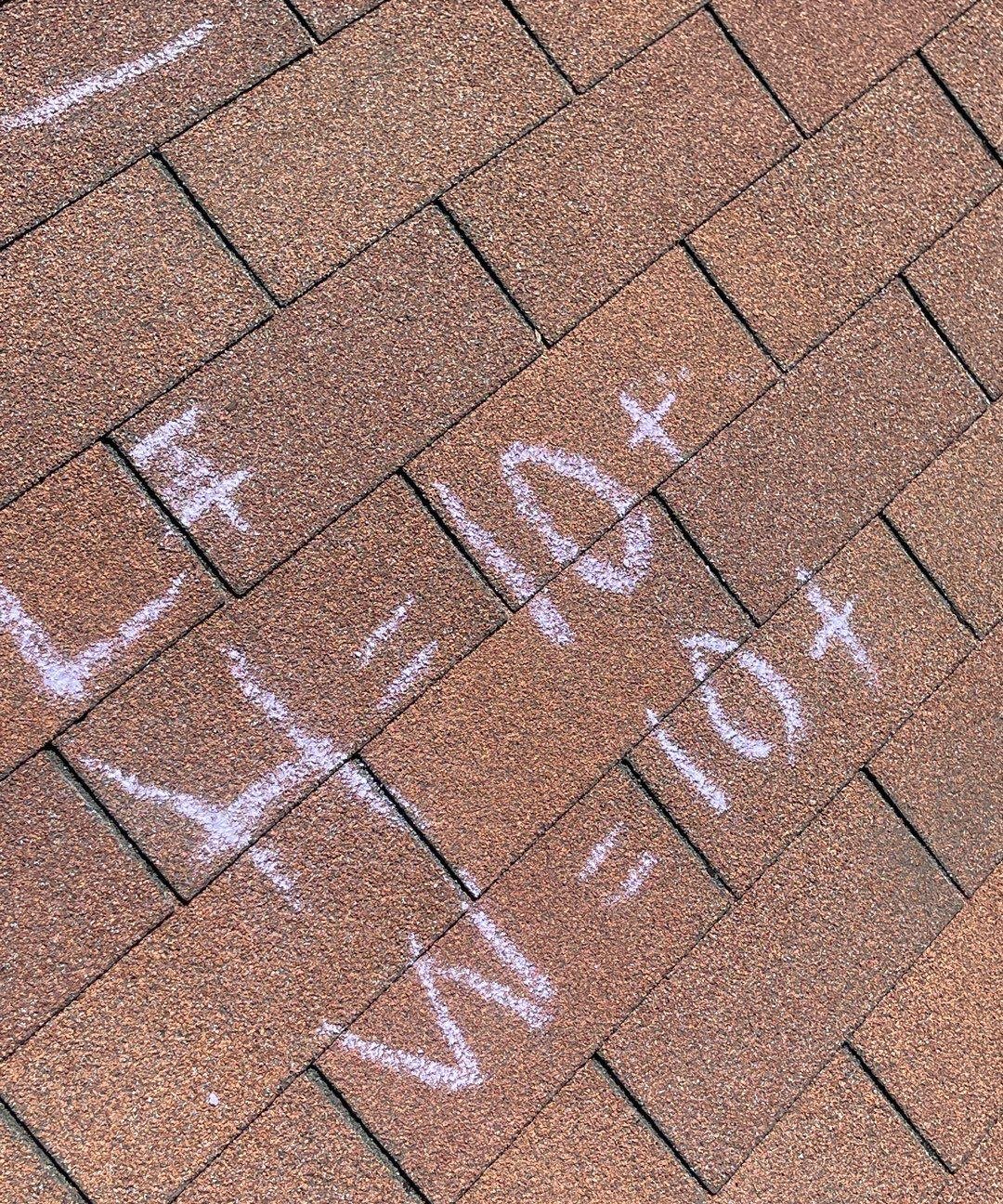
Top 20 questions Minnesota homeowners ask Google and AI about roofs, storms and home repair (answered)
These are 20 questions Minnesota homeowners keep asking Google and AI assistants about hail damage, insurance claims, fire rebuilds, leaks and winter, each answered in one to three sentences first. The short version: document damage before anything is repaired, plan on one year to act after a hail storm, and get a photo-documented inspection before you sign anything.
Most of the questions we get on the phone start the same way: "I looked it up, and now I'm more confused." So we went to the search box ourselves. Below are 20 questions Minnesota homeowners keep typing into Google and asking AI assistants like ChatGPT and Google's AI Overviews about hail, insurance claims, fire rebuilds, leaks and winter. Each one gets a straight answer first, then the detail that actually matters here.
Where we already have a full page on a topic, we keep the answer short and link you to it.
How did we pick these 20 questions?
We started with what people actually type: Google's autocomplete suggestions, the "People also ask" style questions that show up next to search results, and real homeowner threads on forums. Then we kept the ones that match what Minnesota homeowners ask us on inspections, and grouped them by the problem behind them.
Nobody outside the AI companies can see exactly what people type into a chatbot, so we won't pretend this is a ranked list. It is a list of questions with real, visible demand behind them. Storm and insurance questions come first because that is where most of the confusion (and the biggest repair bills) is.
| Topic | Questions |
|---|---|
| Hail, storms and insurance claims | 1 Hail damage signs · 2 Inspections · 3 Coverage · 4 Deadlines · 5 Repair or replace · 6 Documenting · 7 Adjuster visit · 8 Tarping |
| Fire damage, rebuilds and painting | 9 First steps · 10 Rebuild time · 11 Painting over smoke · 12 Smoke smell · 13 Upgrading during a rebuild |
| Roofs, leaks, exteriors and remodels | 14 Roof cost · 15 Flat roofs · 16 Water through the ceiling · 17 Siding · 18 Windows · 19 Kitchen and bath timelines |
| Getting ready for winter | 20 Ice dams |
What do Minnesota homeowners ask about hail damage and insurance claims?
Mostly four things: is the damage real, will insurance pay, how long do I have, and who should be on the roof. The answers below follow a claim in the order it usually happens.
1. How do I know if my roof has hail damage?
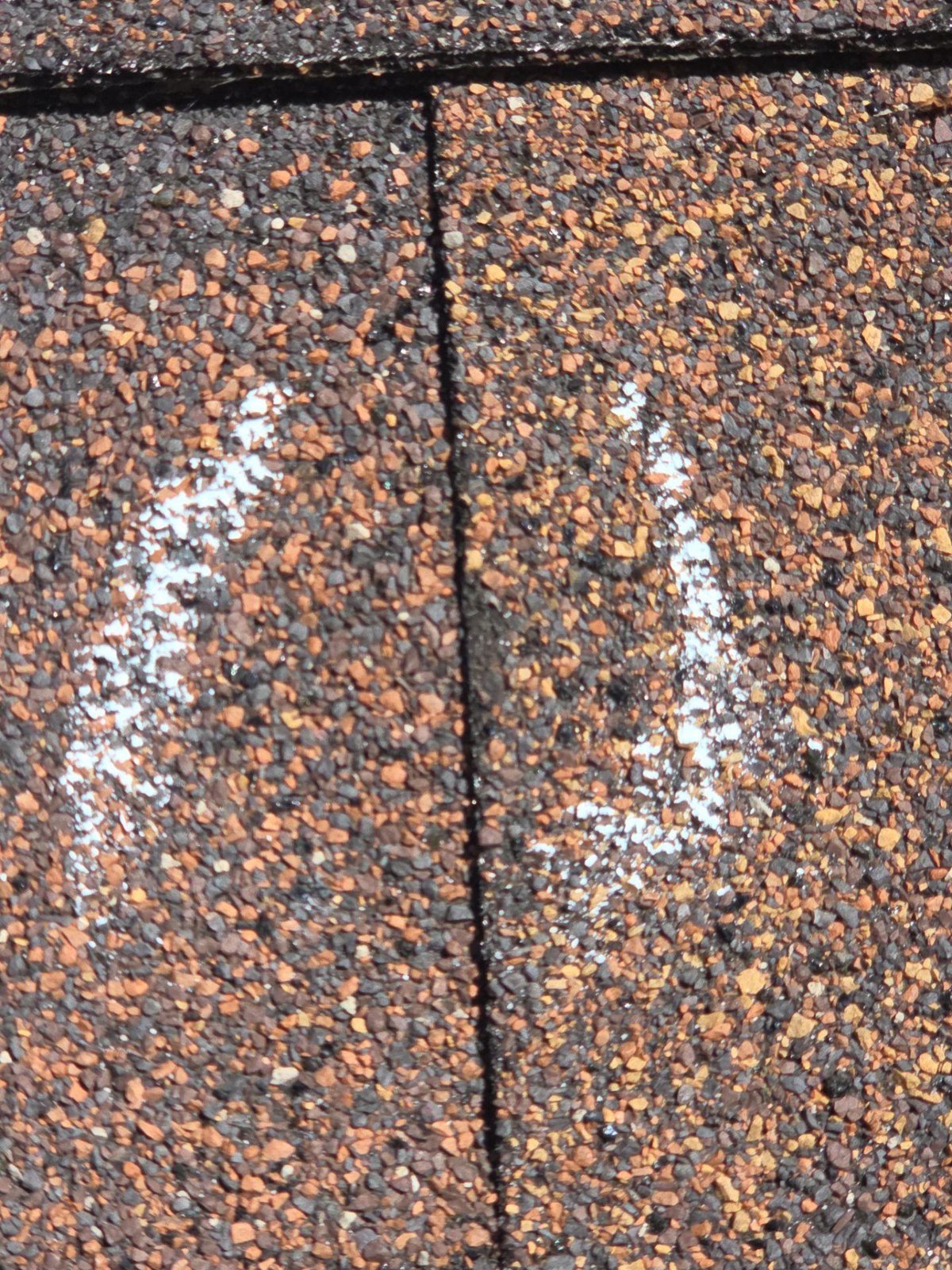
Start with the soft metals you can see from the ground: dents in gutters, downspouts, roof vents and window wraps mean hail hit the house. On asphalt shingles, hail usually leaves dark, round spots where granules were knocked off, and sometimes a soft "bruise" or a cracked mat underneath, which you can't judge from the driveway.
Walk the storm side of the house. Look for spatter marks on the deck or fence, granules piled at the bottom of downspouts, and dings in the air conditioner fins. Those don't prove the roof needs work, but they tell you a closer look is worth it.
Don't climb a roof to check. If you want to know whether hail was even reported near you, start with the storm records for your address.
That is a warning standard, not a damage line. An old, brittle roof can be hurt by smaller hail, and a newer impact-rated shingle can handle bigger stones. Our page on how big hail has to be to damage a roof goes deeper.
2. What happens during a hail damage roof inspection?
A real inspection goes slope by slope on the roof, not just a look from the ladder. The inspector checks the shingles, vents, flashing, gutters and siding, marks and measures hits, photographs everything wide and close, and notes anything that is wear or installation trouble rather than storm damage.
You should end up with a photo report you keep, whether or not you hire anyone. If someone knocks on your door after a storm, check their license before they go up.
3. Does homeowners insurance cover hail damage to my roof?
That is decided by your policy, not by the storm or by a contractor. What you actually get paid depends on whether the roof is covered at replacement cost or actual cash value, your wind and hail deductible, any roof payment schedule, and any exclusion for cosmetic damage.
Find your declarations page and look for those four things before a storm, not after. Our Know Your Coverage calculator shows how the same roof can leave one homeowner paying a little and another paying a lot, and our post on how to tell if your policy pays full replacement cost walks through the policy language.
If anything is unclear, your agent is the right person to ask.
4. How long do I have to file a hail claim in Minnesota?
For hail, plan on one year from the storm date; check the Suit Against Us section of your policy. Minnesota's general limit to sue on a property policy is two years, but the state's hail policy form uses one year, and most policies also ask for prompt notice of a loss.
The math behind "winter eats half of it" is on our page about how long you have after a hail storm.
Not sure which storm hit your house?
See the hail and wind events reported near your address, with dates and sizes, in about 30 seconds.
Check your address for hail5. Can a hail-damaged roof be repaired, or does it need to be replaced?
Sometimes a repair is the right call: a few damaged shingles on a newer roof, where the shingles are still flexible and a matching product is available. When hits are spread across several slopes, the shingles are brittle, or no close match exists, replacement is usually the practical fix.
The deciding test is often simple. If lifting an old shingle to slide a new one in cracks the shingles around it, the "repair" damages more roof than it fixes. We explain that field test on can brittle shingles be repaired.
Told only a few shingles are damaged? Read what matters when insurance says repair and whether Minnesota is a matching state.
6. How do I document roof damage for an insurance claim?
Write down the storm date, photograph the damage wide and close before anything is repaired, keep every receipt for emergency work, and save every letter and estimate in one folder. Don't throw away damaged materials until your insurer has seen them or says it's fine.
- Date it. Note the date and time of the storm. Our Twin Cities storm history helps you match it to a real event.
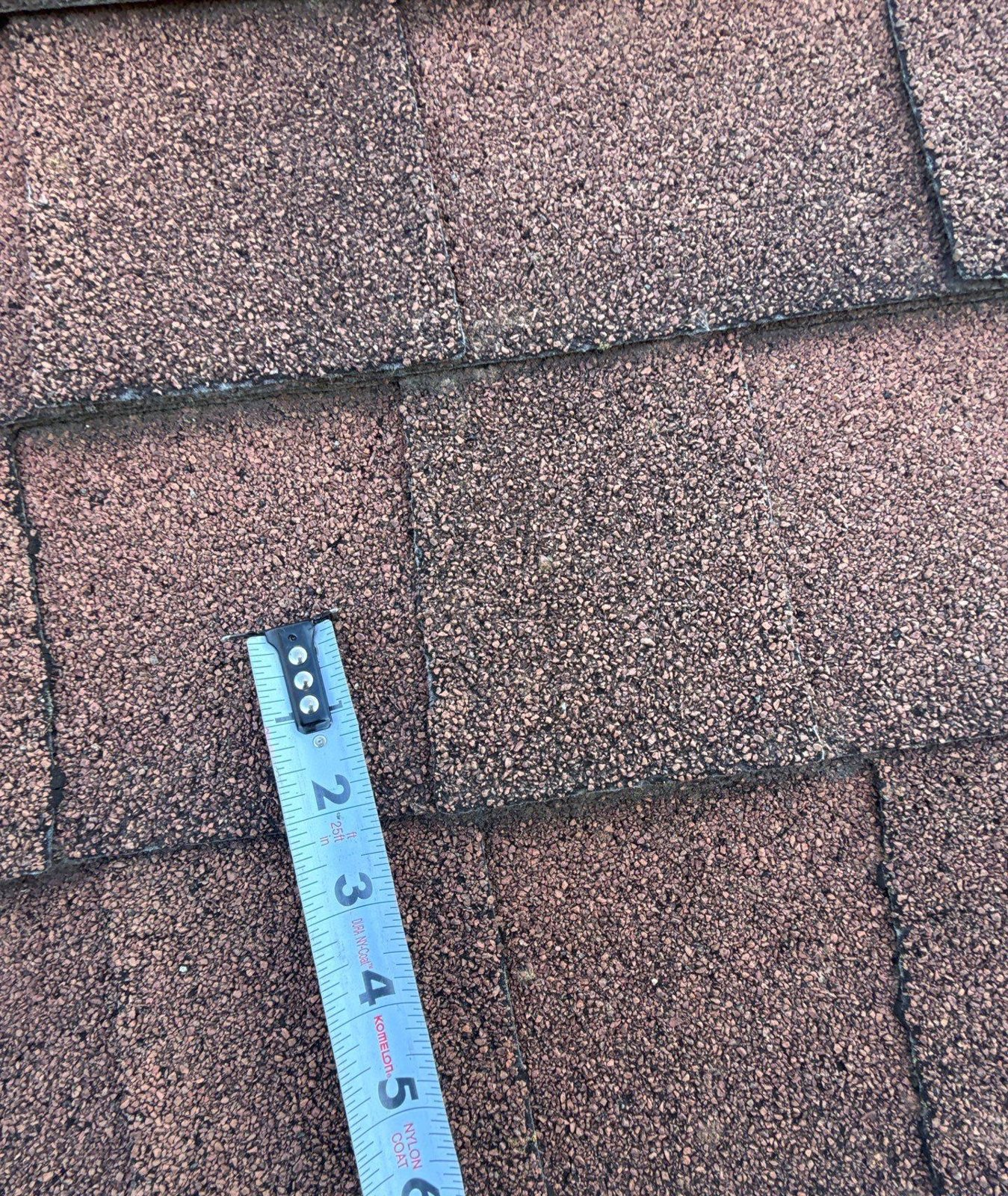
- Shoot wide, then close. A wide shot shows where on the house; a close-up with a coin or tape measure shows size.
- Inside counts too. Ceiling stains, wet insulation in the attic, damaged window wraps and screens.
- Keep the paper trail. Claim number, adjuster's name, every email, and invoices for tarps or board-up.
7. Should my roofer be there when the insurance adjuster inspects the roof?
It's your call, and many homeowners find it helps. When the contractor who documented the damage is on the roof, both people look at the same hits, the same flashing and the same construction details. The contractor's role is construction and damage observations; coverage decisions belong to your insurer.
Ask for the adjuster's name and the claim number before the visit, and ask for a copy of the adjuster's estimate afterward so you can compare it with your contractor's line items.
8. How do I tarp a roof after storm damage, and should I do it myself?
Only if you can do it safely from a ladder at the eave or from inside the attic. A wet, damaged roof is a dangerous place, and a tarp that isn't fastened over the ridge and battened down tends to blow off in the next storm. An emergency tarp from a roofing crew is usually the first repair after a storm.
Take photos before and after the tarp goes on, and keep the invoice with your claim paperwork.
We tarp roofs around the clock; see emergency roof repair for what to do while you wait.
What do people ask after a house fire?
After the fire is out, the questions turn to safety, paperwork, time and smell. The short version: stay out until it's safe, document before you remove anything, and expect a full rebuild to take months, not weeks.
9. What should I do after a house fire?
Don't go back in until the fire department or a building official says it's safe. Then call your insurer, secure the house with board-up and a roof tarp, and photograph every room before anything is cleaned out or thrown away.
There's also a paperwork clock. Minnesota's standard fire policy form calls for a signed, sworn proof of loss within 60 days (Minn. Stat. § 65A.01). Many policies count from the insurer's request, so read yours. The full first-72-hours plan is on our fire restoration page.
10. How long does it take to rebuild a house after a fire?
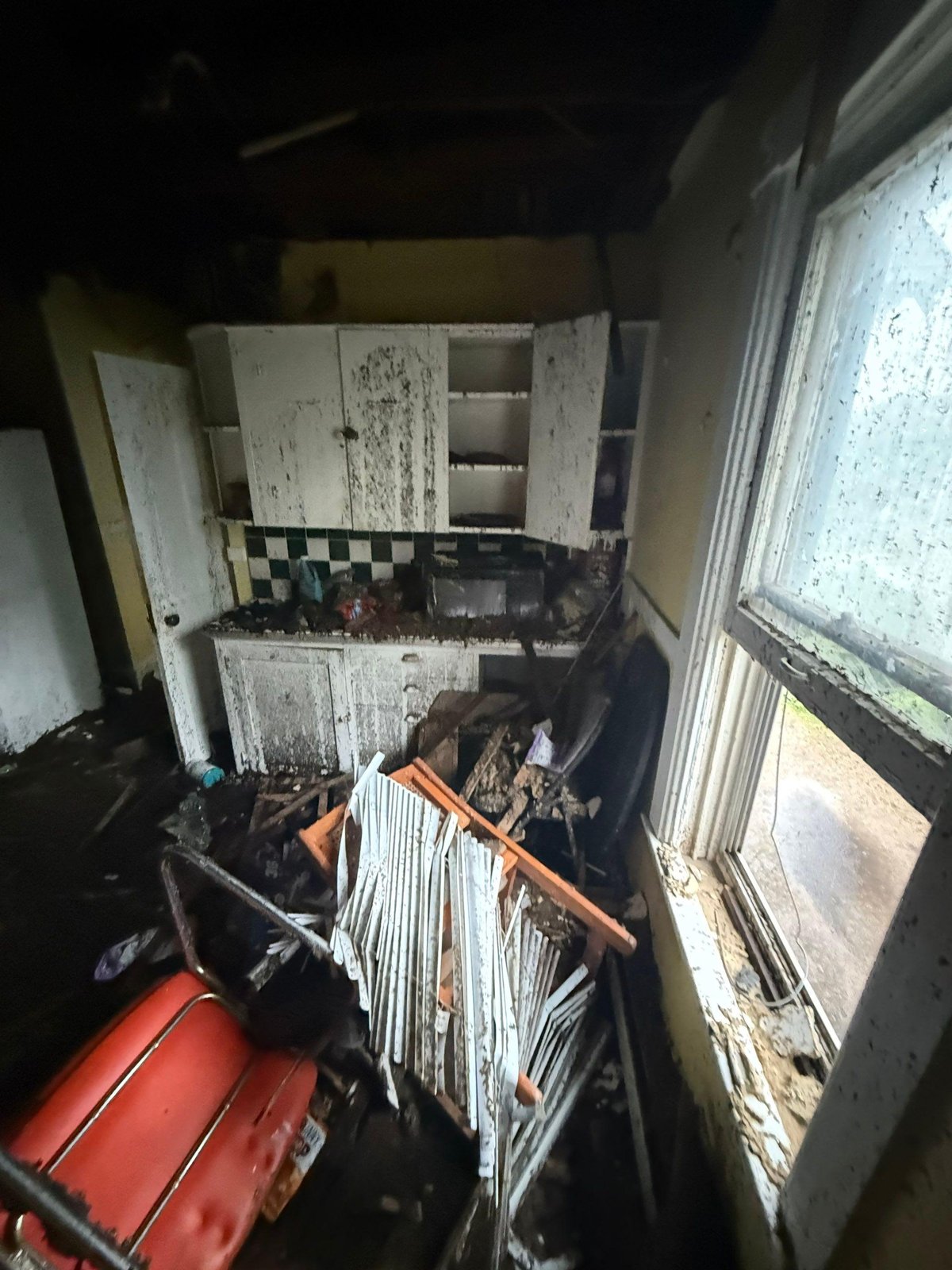
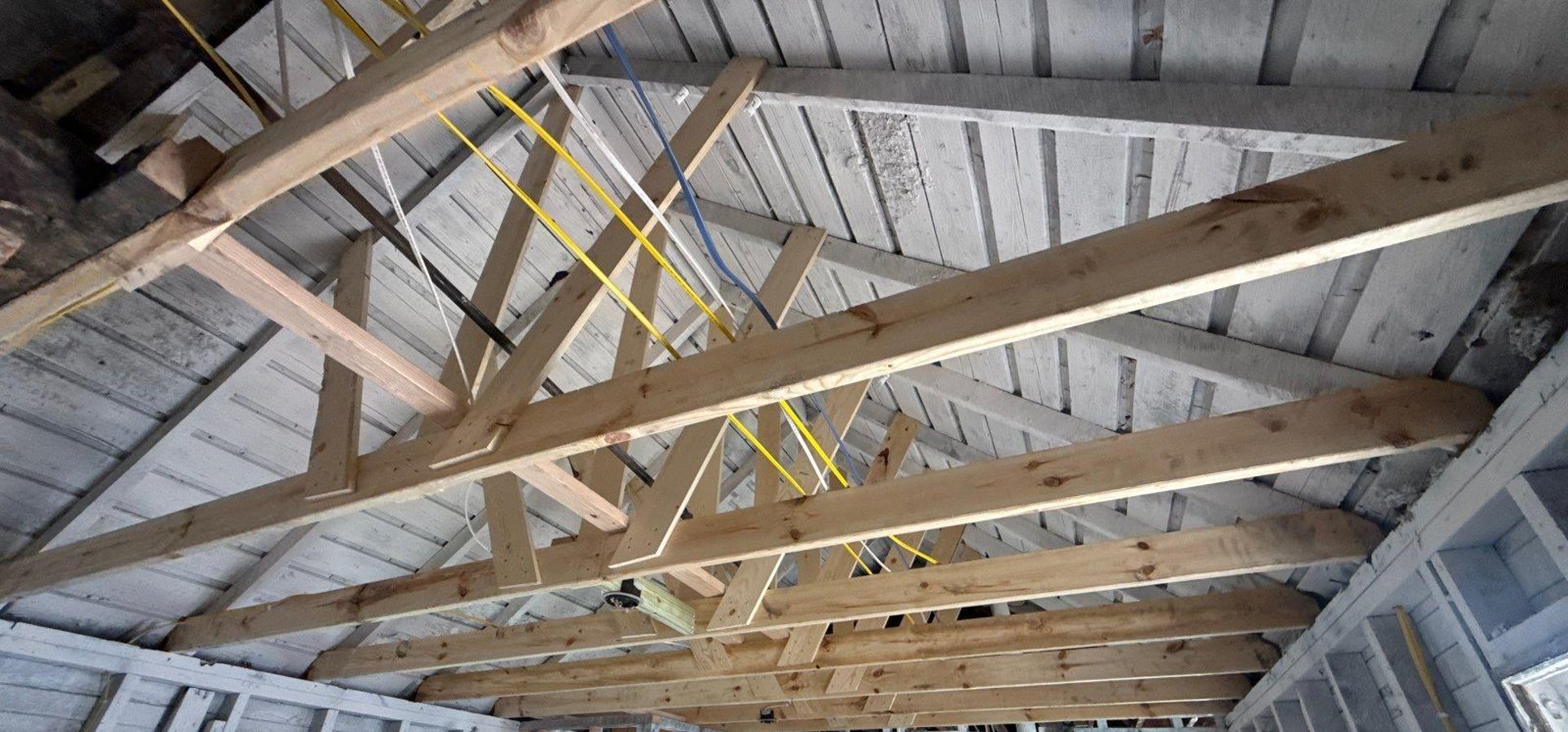
A small, contained fire can be repaired in weeks. A fire that pushes smoke and firefighting water through a house usually means many months; on one South Minneapolis rebuild we photographed, insulation went into the walls about 12 months after the fire.
What sets the pace is how far water and smoke traveled, how fast the scope gets agreed, and what's hiding inside older walls. We broke that job down month by month in how long it takes to rebuild after a fire in Minnesota.
11. Can you paint over smoke damage?
Not straight over it. Soot has to be cleaned off first, then smoke-stained walls and ceilings get a stain-blocking, odor-sealing primer before finish paint. Paint over dirty soot and the stain and smell tend to come back through. Drywall that is charred or soaked gets replaced, not painted.
Primer is a finishing step, not a substitute for cleaning or removal. If a room still smells after cleaning, that's a sign something porous behind the paint still holds smoke.
12. How do you get the smoke smell out of a house after a fire?
Smoke odor lives in porous materials like drywall, insulation, wood framing and fabric, so air fresheners only cover it. It comes out by removing what can't be saved, cleaning what can, filtering the air while the work is going on, and sealing cleaned framing before the walls go back up.
The smell often travels farther than the visible damage, especially in older homes with open wall cavities between floors.
13. Can I remodel or upgrade while insurance pays for my fire rebuild?
Usually, yes, as long as the upgrades are priced and tracked separately from the insurance repair scope. You pay for the difference; the insurance scope stays a clean record of what was damaged and what it takes to put it back.
A rebuild is often the cheapest moment to change a layout, since the walls are already open. Ask for two documents: the repair scope and a separate upgrade estimate. We do both on rebuilds and remodels.
What do homeowners ask about roofs, leaks, siding, windows and remodels?
These are the everyday project questions: what drives the price, how long things last, and what to do when water shows up inside. Specific prices only mean something for your house, so we explain the drivers and point you to tools that use your address.
14. How much does a new roof cost in Minnesota?
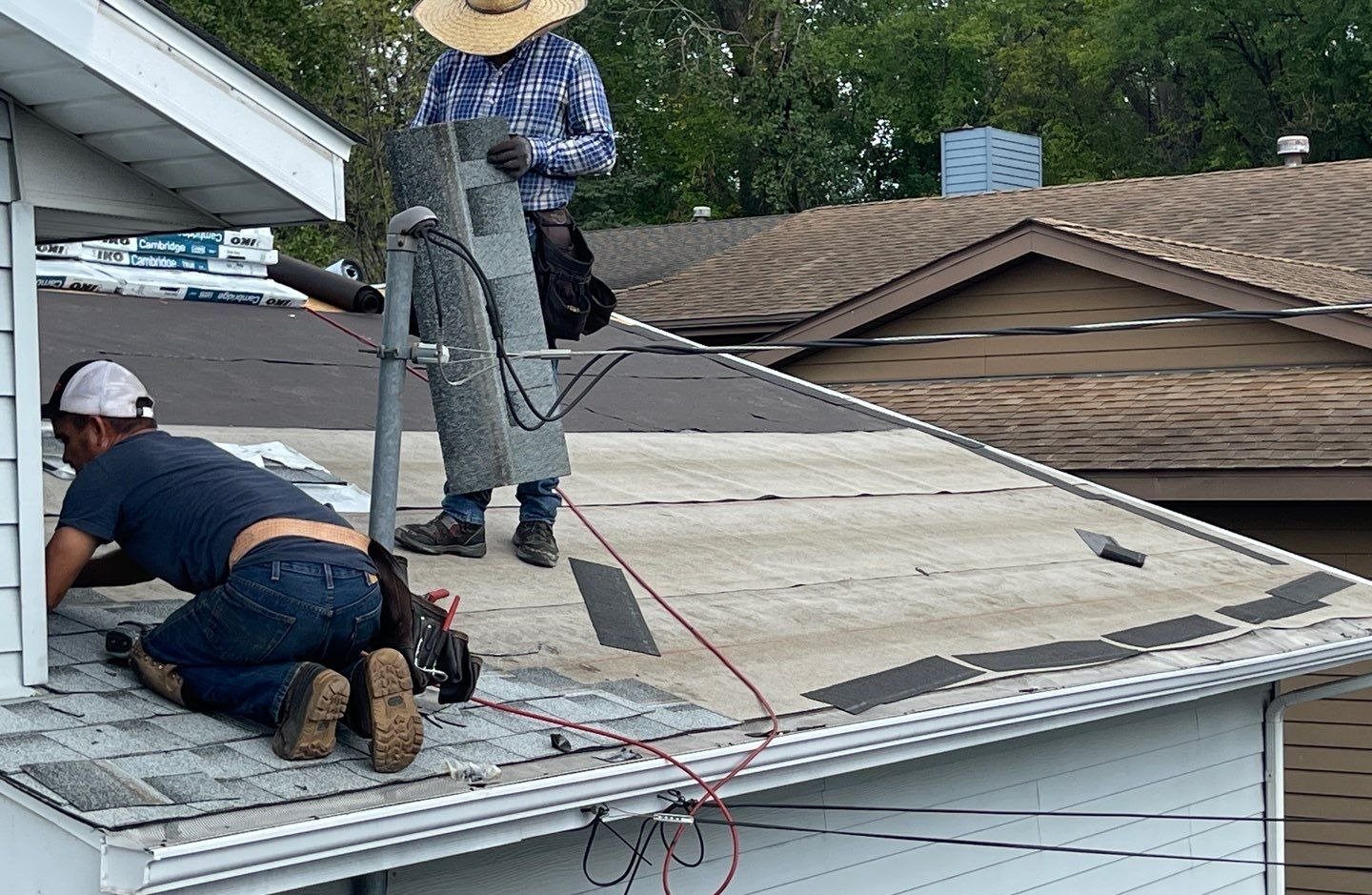
It depends more on your roof than your zip code: size and pitch, how many layers come off, how much rotted decking has to be replaced, ice and water shield, flashing, ventilation and the shingle you choose. A measured estimate is the only honest number; our instant quote tool gives a ballpark from your address.
| Driver | Why it matters |
|---|---|
| Roof size and pitch | More area means more material; steep roofs need more safety setup and labor. |
| Layers to tear off | Two or three old layers mean more labor and disposal. |
| Decking | Soft or rotted boards only show up after tear-off. See who pays for decking. |
| Ice and water shield | Self-adhering membrane at the eaves and valleys adds material and labor; see what Minnesota code requires. |
| Chimneys, skylights, valleys | Every penetration needs flashing work. |
| Shingle line | Impact-rated and designer shingles cost more than standard architectural. |
Get your ballpark with the instant roof quote, then compare written estimates line by line.
15. How long does a flat roof last?
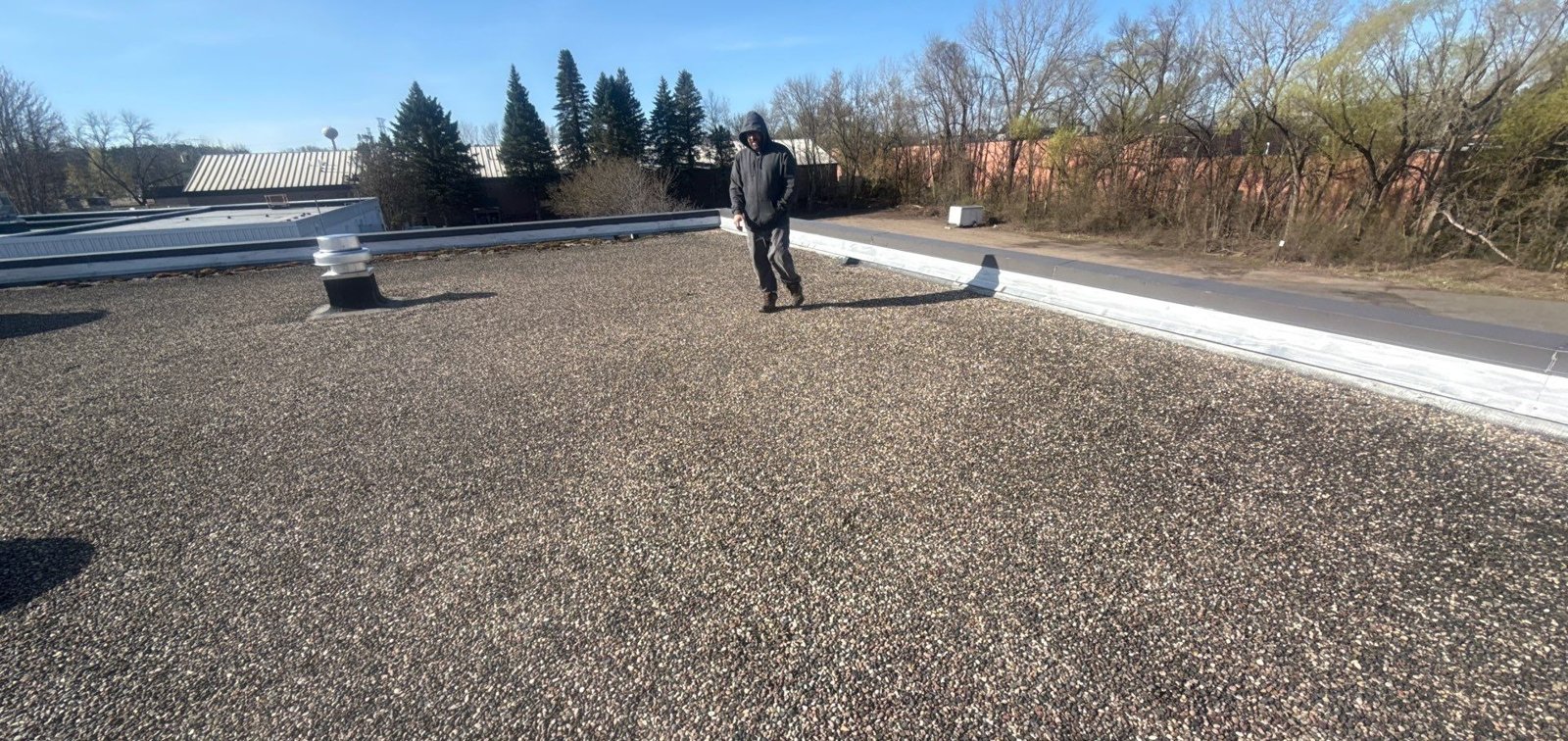
It depends on the membrane, how well the roof drains and how often it's maintained. Water that ponds for days, open seams and skipped inspections shorten the life of any flat roof, whether it's EPDM rubber, TPO, PVC, modified bitumen or tar and gravel.
Our commercial roofing page compares typical service life by system, and the flat and low-slope roofing page covers repair versus replacement. Heavy snow is its own question; see how much snow a flat roof can hold.
16. What should I do if water is coming through my ceiling after a storm?
Keep people away from wet light fixtures and outlets, and shut off that circuit if you can reach the panel safely. Catch the water, move belongings, and if the ceiling is bulging, drain it slowly into a bucket. Then get the roof opening covered and the wet materials dried fast.
Photograph the ceiling and the roof before anything is fixed. If the dripping shows up on a cold, sunny winter day rather than during a storm, read frost or water dripping in the attic first. Renting the place out? See what a landlord needs to do.
17. Can hail damage siding, and does insurance cover it?
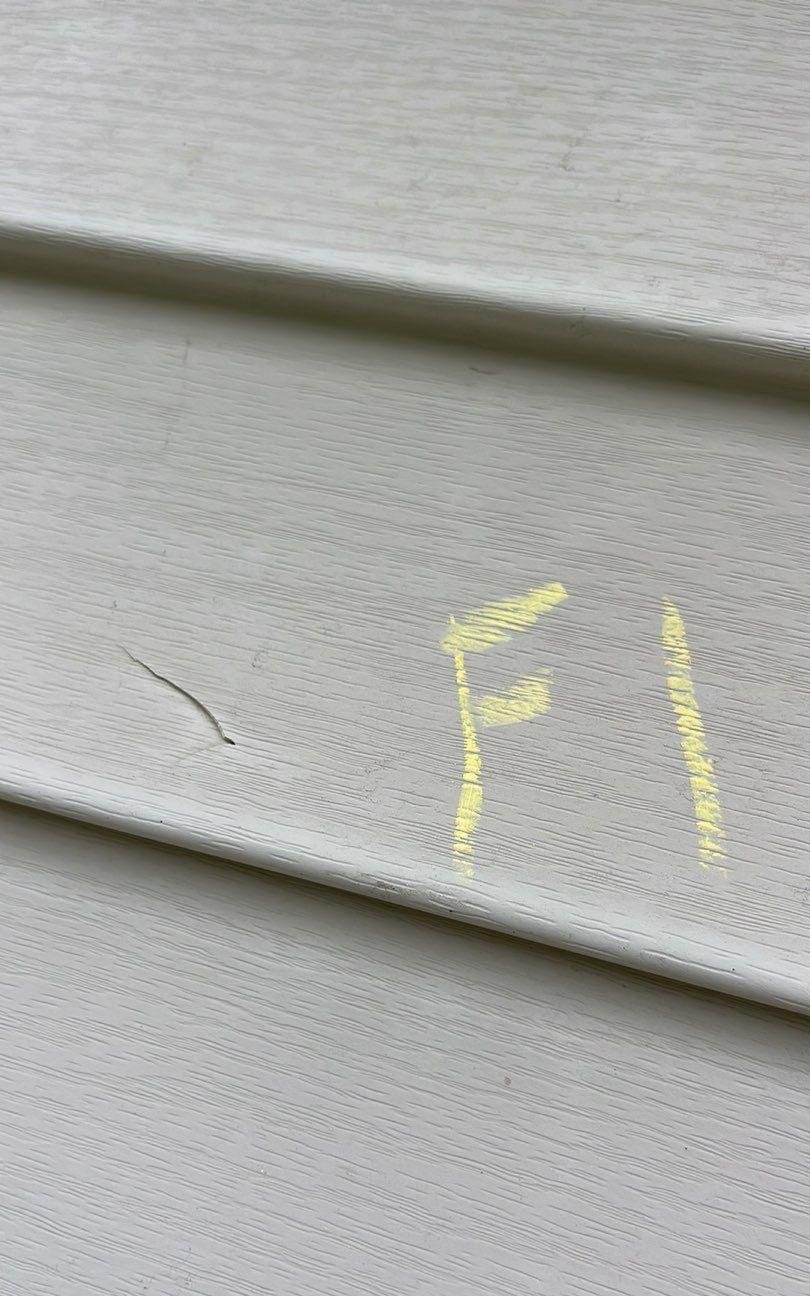
Yes, hail can crack or punch holes in vinyl, dent aluminum and steel, and chip paint or split boards on wood and fiber cement. Whether a policy pays depends on its terms, including any cosmetic-damage exclusion for dents that don't let water in.
Check the storm-facing walls, window wraps and gutters together; they usually tell the same story as the roof.
Our siding page compares vinyl, steel, LP SmartSide and James Hardie for Minnesota weather and hail.
18. How do I know if my windows need to be replaced?
ENERGY STAR's main signs are single-pane glass, drafts or rotted sills and sashes, fog or moisture between the panes of double-pane windows, and windows that won't open or are painted shut. Any one of those is a good reason to price replacements.
If you have skylights and a roof that's due, replace them together so the new skylight gets new flashing in the new roof. More on that on our windows and skylights page.
19. How long does a kitchen or bathroom remodel take?
It depends mostly on what changes behind the walls. A same-layout refresh with new finishes moves much faster than a remodel that moves plumbing, walls or wiring, which adds permits, inspections and more trades. Design decisions and material lead times often set the calendar before the crew ever starts.
Make the big choices (cabinets, tile, fixtures) before demolition, and ask your contractor for a written schedule by phase. Check whether you need a permit with our post on permits for remodeling in Minnesota.
What should Minnesota homeowners do before winter?
Fix the reasons ice dams form while it's still fall, and don't let a known roof problem sit until spring. Roofs can still be installed in cold weather, with extra steps.
Asphalt shingles seal to each other with heat-activated strips. Owens Corning's cold-weather bulletin covers installs at 40°F and below and calls for hand-sealing with dabs of roof cement so shingles resist wind until the sun activates the strips. That is why a winter roof is possible but takes more care.
20. What causes ice dams, and how do I prevent them?
Ice dams form when heat leaking from the house warms the roof, melts the snow, and the water refreezes at the cold eaves. The lasting fix is to air-seal the ceiling between the house and the attic first, then add insulation; raking snow off the roof edge is the short-term help.
If a dam has already formed and water is coming in, we remove ice with steam instead of hammers or chippers. See ice dam removal, and before you buy heat tape, read whether heat cables stop ice dams.
Have a question that isn't on this list? Send it to us. If enough people ask it, it ends up in the next one.
Want a straight answer for your house?
Book a free, photo-documented roof and storm inspection. You keep the report whether or not you hire us.
Questions people also ask
How do I know if my roof has hail damage?
Check the soft metals from the ground first: dents in gutters, downspouts, vents and window wraps mean hail hit the house. On shingles, hail leaves dark round spots where granules were knocked off, which takes a close, on-roof inspection to confirm.
How long do I have to file a hail claim in Minnesota?
For hail, plan on one year from the storm date and check the Suit Against Us section of your policy. Minn. Stat. § 65A.26 uses one year for hail policies; the general limit in § 65A.01 is two years. Most policies also require prompt notice.
Should my roofer be there when the insurance adjuster inspects my roof?
It's your choice, and it often helps both people look at the same damage and construction details. The contractor's role is construction and damage observations; coverage decisions belong to your insurer.
What should I do after a house fire?
Stay out until the fire department or a building official says it's safe. Then call your insurer, secure the house with board-up and a tarp, and photograph every room before anything is removed. Minnesota's standard fire policy form calls for a sworn proof of loss within 60 days, so read your policy.
Can you paint over smoke damage?
Not directly. Clean the soot first, then use a stain-blocking, odor-sealing primer before paint. Charred or soaked drywall should be replaced rather than painted.
What should I do if water is coming through my ceiling after a storm?
Keep people away from wet fixtures and outlets, shut off that circuit if you can reach the panel safely, and catch the water. If the ceiling bulges, drain it slowly from the outer edge of the bulge, then get the roof covered and the area dried quickly.
What causes ice dams?
Heat leaking from the house warms the roof deck, melts the snow, and the water refreezes at the cold eaves. University of Minnesota Extension recommends air-sealing the ceiling first, then adding insulation.
Can a hail-damaged roof be repaired instead of replaced?
Sometimes, when damage is limited, shingles are still flexible and a matching product is available. Widespread hits, brittle shingles or no available match usually make replacement the practical fix.
Sources
- Minn. Stat. § 65A.26, Hail policies (one-year suit limit) (Minnesota Revisor of Statutes)
- Minn. Stat. § 65A.01, Standard fire policy (60-day proof of loss, two-year suit limit, protect property) (Minnesota Revisor of Statutes)
- Minn. Stat. § 72A.201, Regulation of claims practices (Minnesota Revisor of Statutes)
- Service Change Notice 09-52: 1-inch hail criterion for severe thunderstorm warnings (National Weather Service)
- License and registration lookup (Minnesota Department of Labor and Industry)
- Roofer license (Minnesota Department of Labor and Industry)
- Checking Your Home After a Fire (American Red Cross)
- B-I-N Advanced Synthetic Shellac Primer technical data sheet (Rust-Oleum / Zinsser)
- Odor Killing Primer technical data sheet (Rust-Oleum / Zinsser)
- Is It Time to Replace Your Windows? (ENERGY STAR)
- Cold Weather Shingle Installation technical bulletin (Owens Corning)
- Dealing with and preventing ice dams (University of Minnesota Extension)
Repair King is a licensed contractor, not an insurance company, public adjuster or attorney. We inspect, document and repair. Coverage decisions belong to your insurer, so read your own policy and ask your agent.


