

Fire Damage Restoration · Minnesota · 24/7 Response
The fire department handles the fire. Repair King handles what happens next.
After a fire, don't throw anything away yet. Before cleanup or demolition begins, we secure the property, document every affected room and build the plan to restore it, from emergency response through reconstruction.
Document before you remove.
Once damaged materials are removed, you can't recreate the property's original condition. Document first. Remove second.
What should you do after a house or building fire?
Make sure everyone is safe and the fire department has released the property. Then secure it, document it before anything is removed, stop the smoke and water damage, and restore and rebuild. Most people are told to start cleaning out first. That's the step that's hardest to undo.
Secure
Board up windows and doors, tarp the roof. Stop weather, water and break-ins.
Document
3-D scan, photos and a room-by-room inventory of structure and contents, then a detailed line-item scope.
Mitigate
Water extraction, dry-out, containment and air scrubbing so smoke and water stop spreading.
Restore
Remove what can't be saved down to clean structure, all on record. Clean and deodorize what can.
Rebuild
Framing to paint, plus the roof and exterior. One contractor, start to finish.
How much time do I really have after a fire?
Less than most people think. The damage keeps working after the fire trucks leave, and several insurance clocks start the day of the fire. Here's what's running, and when.
"Can't this wait until Monday?"
Not really. Soot is acidic and begins discoloring plastics, grout and finishes quickly, and an open roof or broken window lets in weather and intruders. Minnesota's standard fire policy also requires you to protect the property from further damage (Minn. Stat. § 65A.01). Board-up and tarping should happen the same day.
"When does mold become a problem?"
Fast. Firefighting water soaks into walls, floors and insulation, and the U.S. EPA says wet materials should be dried within 24 to 48 hours to prevent mold growth. After that, drying can turn into mold removal.
"Why does it smell worse now?"
Smoke odor works deeper into drywall, wood, carpet and fabric the longer it sits, and bare metal can start to corrode. Early cleaning and air scrubbing save more of your home and belongings.
"Is there a paperwork deadline I don't know about?"
Probably. Minnesota's standard fire policy form calls for a signed, sworn proof of loss within 60 days (Minn. Stat. § 65A.01). Many policies count from the insurer's request, so read yours. A complete, documented scope makes that statement far easier to prepare.
"How long will my living expenses last?"
Not forever. Additional Living Expense (ALE, also called Loss of Use) usually has a dollar cap or a time limit, often 12 to 24 months. Every week lost to slow documentation or a stalled scope spends your ALE before the rebuild even starts. Your declarations page shows your limit, usually under Coverage D.
Example numbers only. Your limit and costs will differ.
"What's the last deadline?"
Minnesota's standard fire policy law allows two years after the loss to bring suit on the policy (Minn. Stat. § 65A.01, subd. 3). Your policy may add its own terms, so check it or ask your agent.
Sources: Minn. Stat. § 65A.01 (standard fire policy); U.S. EPA, "A Brief Guide to Mold, Moisture and Your Home." General information, not legal or insurance advice. We are not a public adjuster and don't negotiate claims.
After a fire,
don't throw anything away yet.
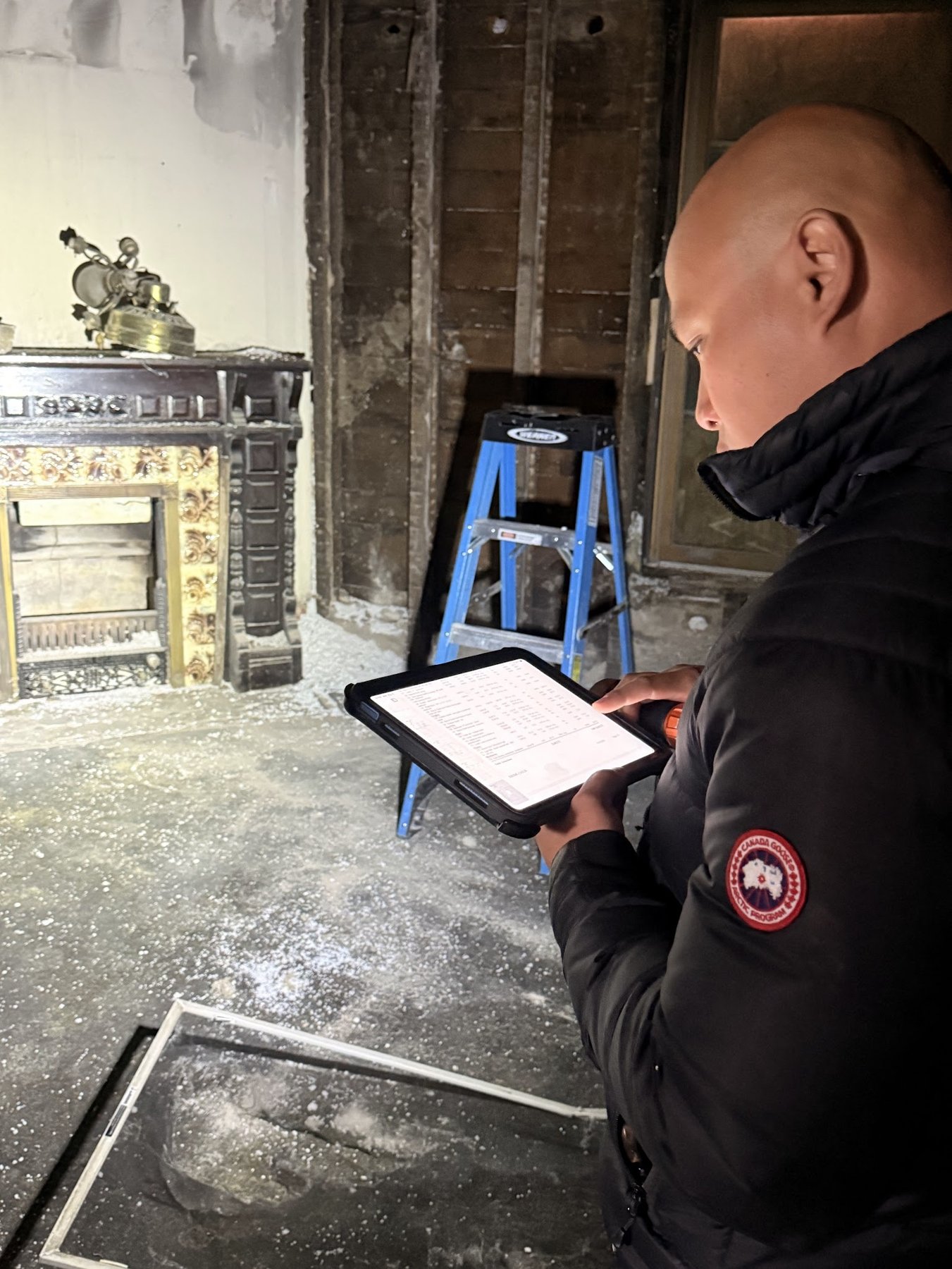 Documenting before demo
Why document fire damage before demolition?
Because smoke travels into walls, ceilings, ductwork and contents you'd never think to check, and once materials are torn out there's no record of their condition. We record every detail first.
We document damage and build restoration scopes. We are not a public adjuster and don't negotiate claims or give legal advice.
Don't wait for a fire to figure out who to call.
Save Repair King's number and know the first steps before you ever need them. If a fire happens, the decisions made right afterward shape the entire restoration. For homeowners, landlords, property managers, churches and commercial property owners.
The paperwork nobody hands you after a fire.
Six printable checklists and worksheets to help you prepare before a fire, or stay organized after one. Free for property managers, landlords, homeowners and renters.
Had a fire this week? Call (612) 354-7677 for board-up and emergency service.
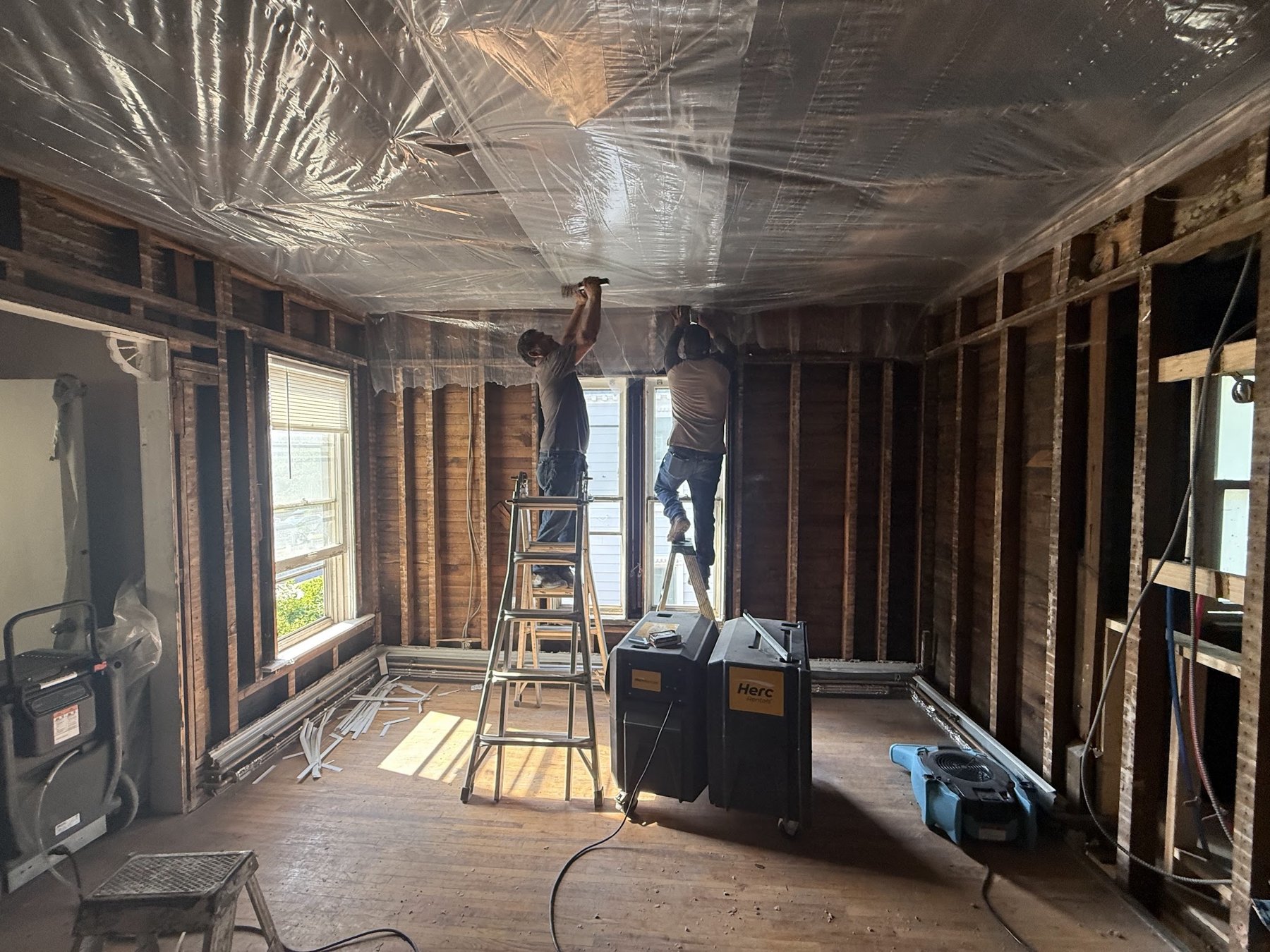 Containment & dry-out
How do you stop smoke and water damage from spreading?
Fast containment and drying. Soot is acidic, and water from firefighting soaks into walls and floors. We set up containment, commercial dehumidifiers and air movers, so the damage stops where it is.
From fire-gutted to rebuilt.
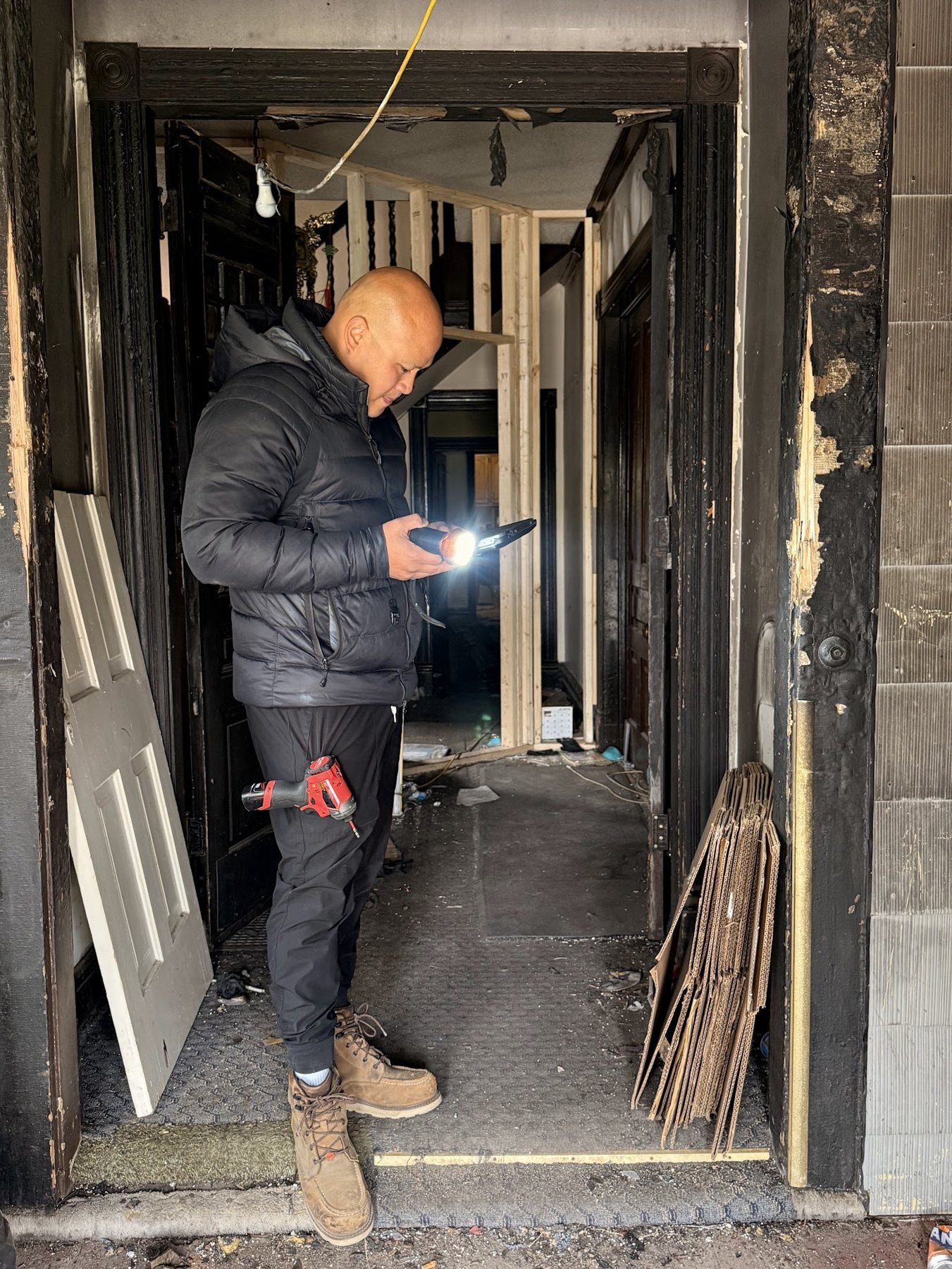
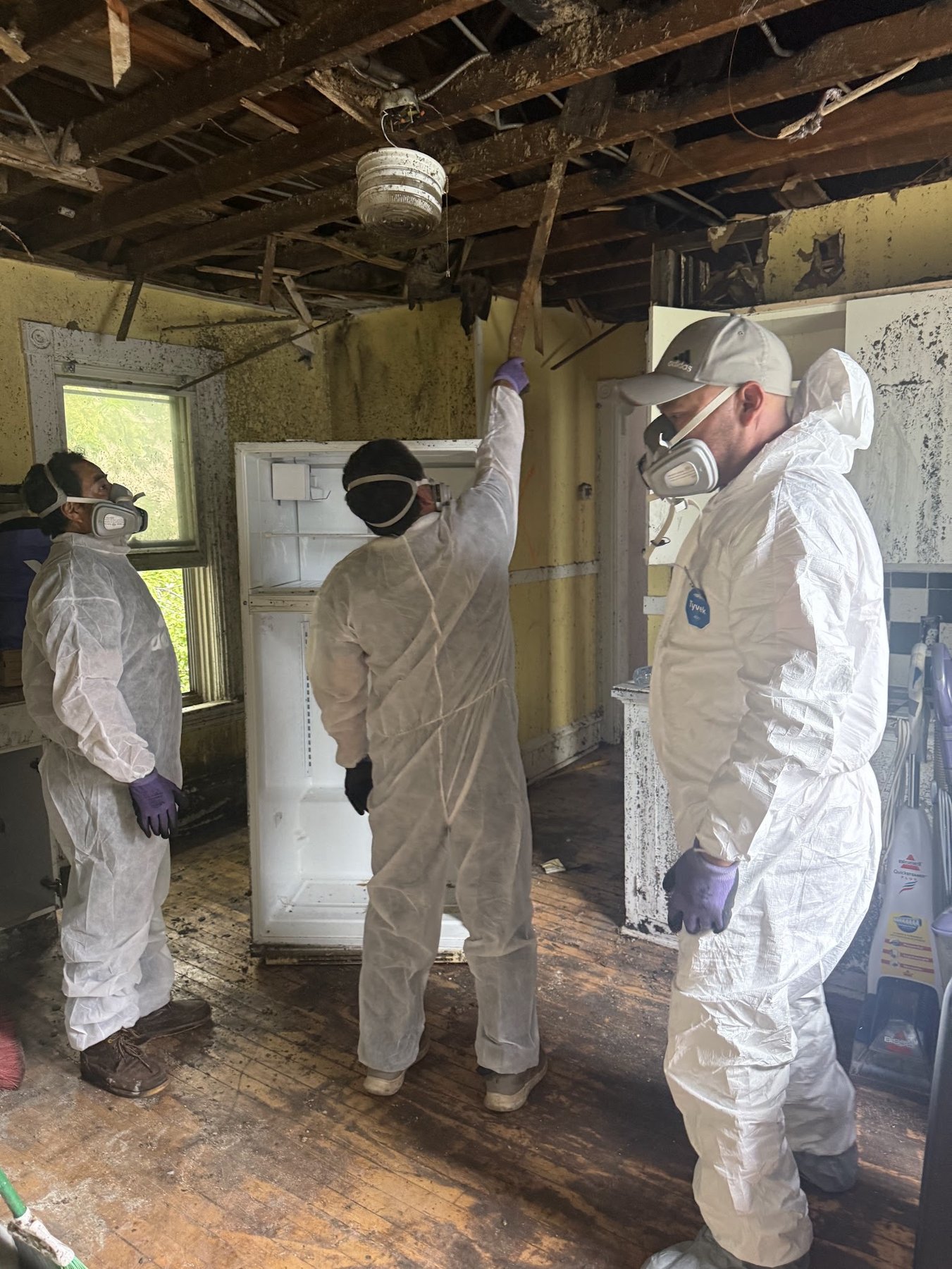
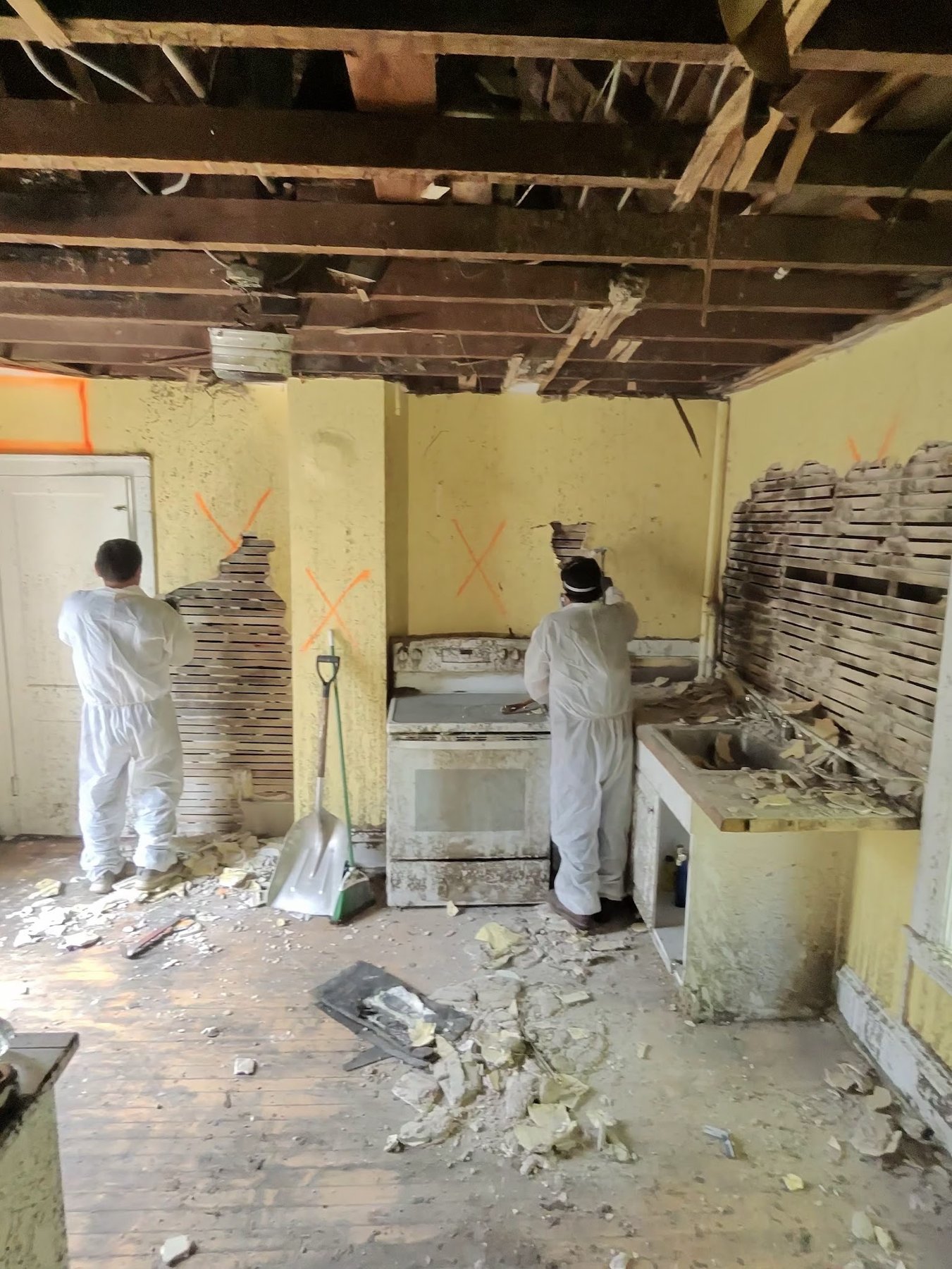
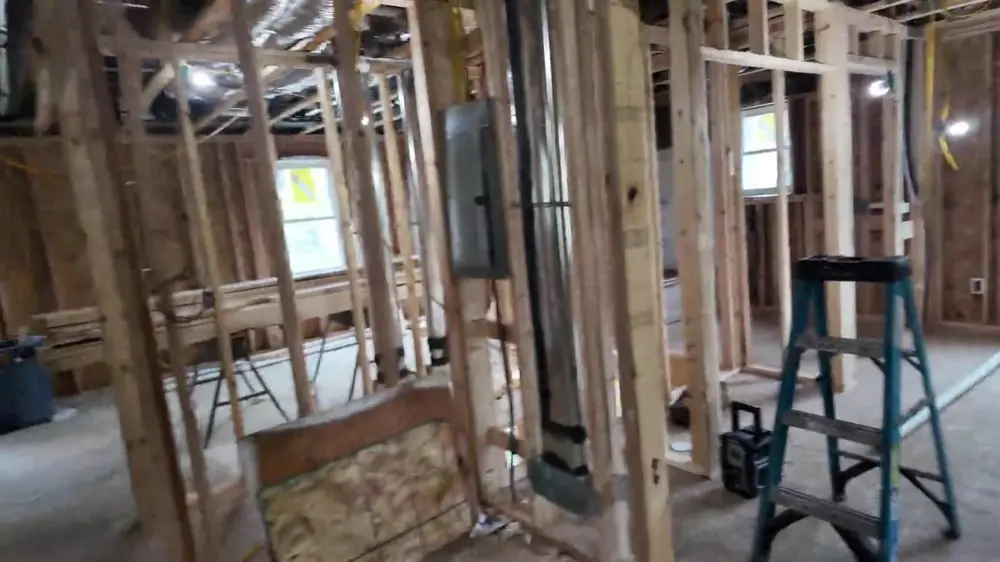
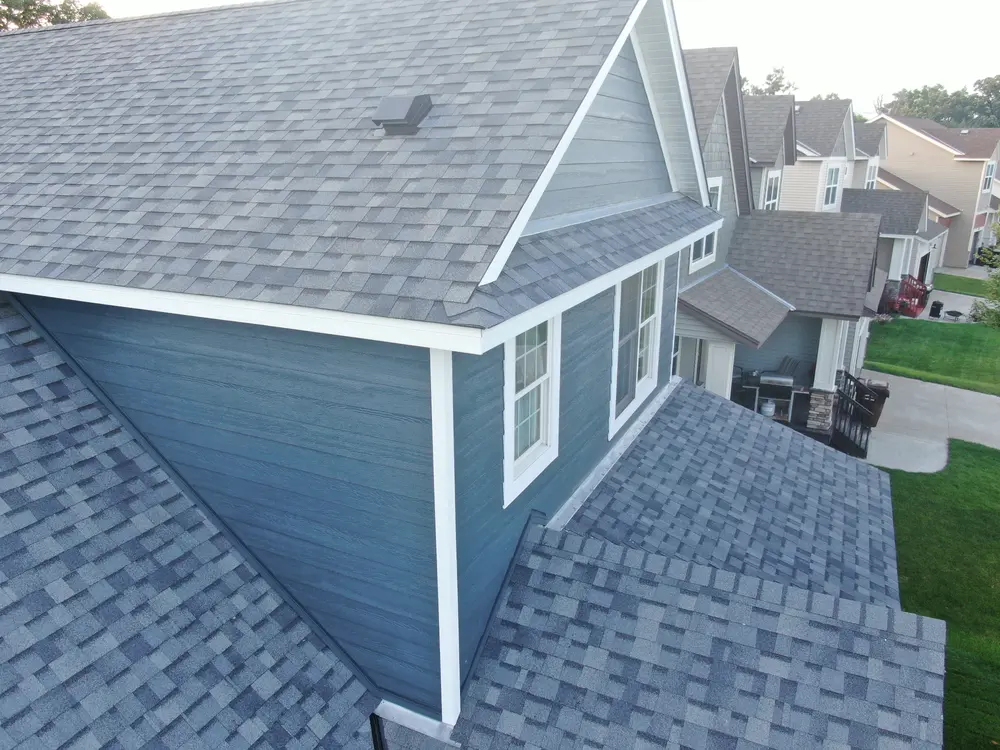
Property managers and homeowners trust us with the worst days.
As a property manager, I've worked with many other companies but their professionalism, timeliness, service and everything was great! I will keep using them.
Mike came to do an assessment. He caught concerns others had missed. He was professional and polite but very kind. I would recommend him 100%.
We reported a leak in the roof and he was at the house in less than an hour to fix it. It was raining and windy but Mike said the work was urgent and got it done.
Had a fire? Call or text before you clean out.
Board-up, tarping and documentation. We'll walk you through what to do next, step by step.
Get Emergency Fire HelpCall or text (612) 354-7677 · 24/7
Request a fire or water damage assessment
No cost, no pressure. You get photos of everything we find.
Fire restoration FAQs.
What should I do first after a house fire?
Make sure everyone is safe and the fire department has released the property. Then secure it: board up openings and tarp the roof to stop weather and break-ins. Before anything is thrown out or torn out, get the damage documented. Call us at (612) 354-7677 and we can handle board-up and documentation.
Why shouldn't I throw anything away right after a fire?
Once damaged items or materials are gone, there's no record they existed or what condition they were in. We photograph, scan and inventory first, so your insurance company has a complete picture of the loss.
What is a 3-D scan and why does it matter?
A 3-D scan captures every room, measurement and damaged surface before demolition. It creates a permanent visual record your adjuster, contractor and you can all review, even after the walls are opened up.
Do you handle the rebuild too?
Yes. We secure the property, document the damage, coordinate tear-out, and rebuild from framing to paint, plus the roof and exterior, as one contractor.
Will insurance cover fire damage?
Fire is typically a covered peril under homeowners and commercial property policies, but coverage limits, deductibles and exclusions vary. Your policy decides. We provide the documentation and estimates your insurance company needs to review the claim.
What does a fire restoration company do?
A fire restoration company secures a fire-damaged property, documents the damage, removes water, smoke and soot, tears out what can't be saved and rebuilds. Repair King is a Minnesota licensed general contractor (BC695228), so one team handles the job from emergency board-up through reconstruction.
Is it safe to clean smoke and soot damage myself?
Usually not. Soot is acidic and can hold toxic residue, and wiping or scrubbing can smear it deeper into surfaces. Wait until the damage is documented and use proper PPE and professional cleaning methods.
How long does fire damage restoration take?
It depends on the size of the loss. Board-up and securing can happen the same day, documentation and mitigation typically take days, and reconstruction can take weeks to months for a major fire. We give you a timeline once the damage is documented.
Do you work with property managers and landlords?
Yes. Property managers can request our free Fire Response Toolkit, and we coordinate with owners, tenants and adjusters on multi-unit properties.
You'll never have to wonder what's happening.
The #1 complaint about contractors is "they stopped calling me back." Our system texts and emails you at every step, from the moment you book to the final walkthrough.
Appointment confirmed
Text and email confirmation the moment you book, plus a reminder before we arrive.
"You're booked for Tue 10 AM ✓"On our way
A heads-up text when your inspector or crew is headed to your home. No waiting around.
"On our way, 20 min out"Photos of everything
You see what we see: a photo report of every finding, yours to keep.
"Your photo report is ready"Every stage, updated
Materials ordered, crew scheduled, install day, final walkthrough. You hear about each step as it happens.
"Materials delivered for Thursday"A real person answers
Questions? Call or text and talk to our team, not a phone tree.
"Got it, we'll check and text you back"Informed at every step. That's the Repair King standard.
Storm hit? Leak showing up? Let's look at it this week.
Free inspection, photo report, straight answer.
People who read this also wanted to know…
Get the Fire Response Toolkit
6 printable checklists: what to do in the first hours, who to call, what to document, and the questions to ask your insurance company.