

How long do I have to file a hail damage claim in Minnesota?
For hail, plan on one year from the storm date. Minnesota law gives two years to bring suit on most property claims (Minn. Stat. § 65A.01, subd. 3), but a separate statute for hail policies allows one year (Minn. Stat. § 65A.26), and many Minnesota homeowner policies now use that one-year limit for hail only. Your policy's "Suit Against Us" section shows your deadline, and notice of damage is due sooner, usually "promptly."

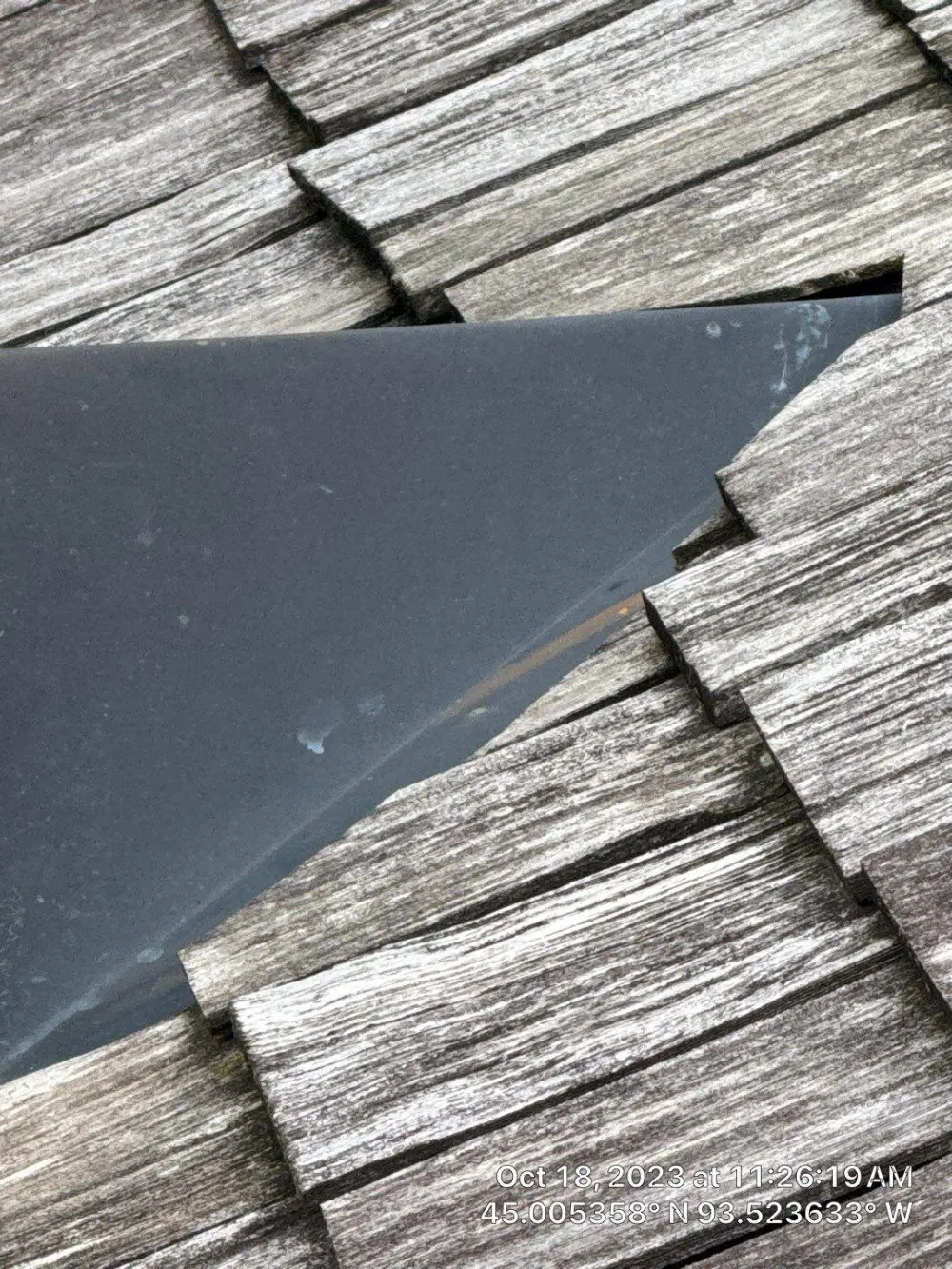
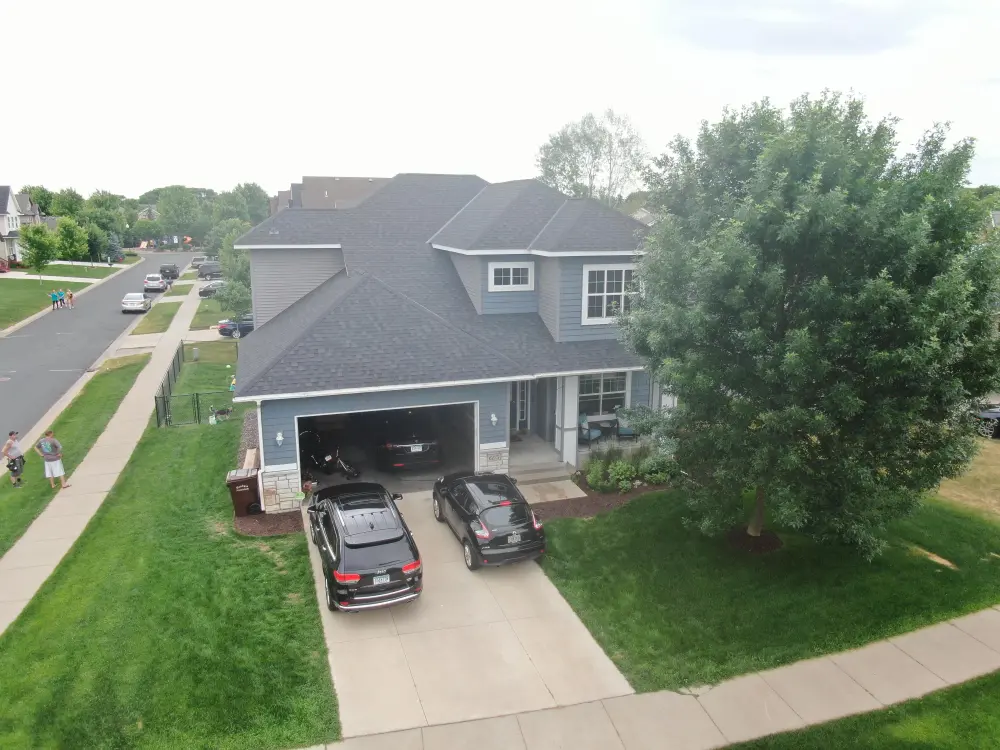
Photos by Repair King crews from real inspections and jobs.
Wait, is it one year or two years for me?
Maybe you heard "two years" from a neighbor, and "one year" from someone else. You're both right. The two-year rule comes from Minnesota's standard fire policy law and covers most property claims, homes and businesses alike. Minnesota's hail statute allows one year, and many insurers now write a hail-only carve-out into homeowner policies: two years for other damage, one year for hail.
So which one is yours? Open your policy (often the Minnesota amendatory endorsement) and find Suit Against Us. If it isn't clear, your agent can tell you in one phone call. Until you know for sure, count one year from the storm date. That's the safe number.
What does that look like on a calendar?
| Step | When | Who sets it |
|---|---|---|
| Storm date (date of loss) | June 19, 2026 | Local storm reports |
| Report the damage | Promptly, as your policy defines | Your policy |
| Suit deadline if your policy has a one-year hail limit | June 19, 2027 | Your policy; Minn. Stat. § 65A.26 |
| Suit deadline under the general two-year rule | June 19, 2028 | Minn. Stat. § 65A.01, subd. 3 |
A year sounds like plenty. Is it really?
Why "one year" is really about six and a half months
If your policy gives one year for hail, count backward from the deadline. Minnesota winter and the claim process both take their share.
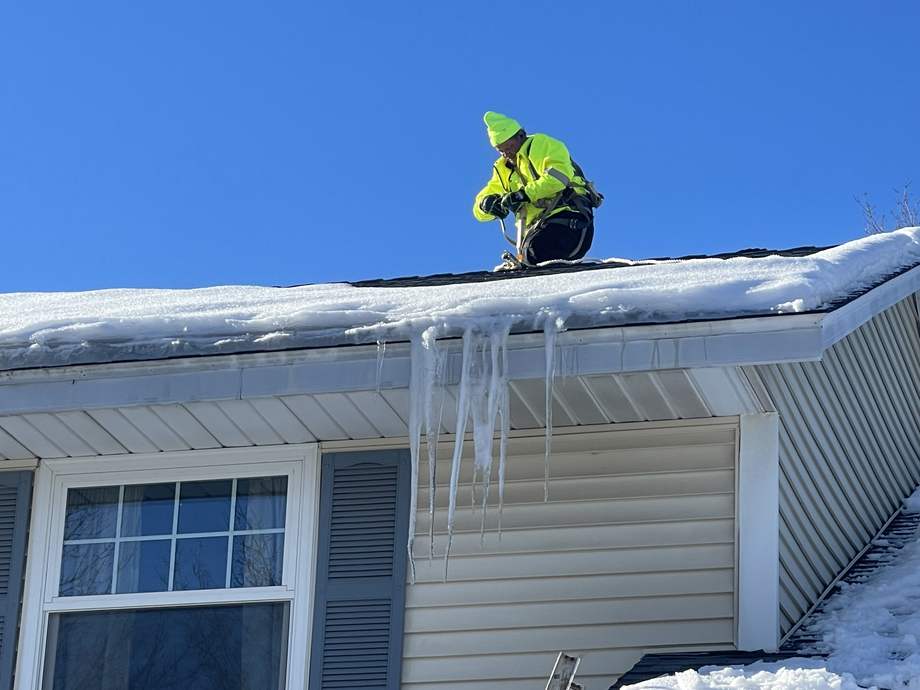
Below about 40°F, shingle sealant strips don't bond on their own, so manufacturers call for extra steps like hand-sealing, and snow and ice make roofs unsafe to work on. If you find out about damage months after the storm, most of your window may already be gone.
Cold days: local weather records for Minneapolis-St. Paul, 30 winters, July 1996 to June 2026: an average of 107 days a year never get above 40°F (range 76 to 136). The 60-day claim and scheduling figure is an example, not a promise; yours may be shorter or longer. Your policy sets your actual deadlines.
What if I'm only finding out about the damage now?
That's more common than you'd think. Most hail damage can't be seen from the ground, so many homeowners learn about it months later, from a neighbor's new roof, a leak, or a letter. If that's you, the good news is you can still get the facts quickly. The part to watch is the calendar: every month you wait is a month you can't get back, and winter takes a big bite.
Picture two neighbors hit by the same June storm. One gets an inspection in July, has photos and a report in hand by August, and has the work done before the first snow. The other waits until spring, then spends the spring trying to prove which storm did the damage. Which one would you rather be?
OK, so what should I do this week?
- Get a free roof inspection now. We check your roof, gutters, siding and screens, photograph every hit, and tell you whether the storm left damage worth acting on.
- Find your deadline. Open your policy to Suit Against Us (often in the Minnesota endorsement), or ask your agent: "Is my limit for hail one year or two?"
- Decide with the facts in hand. With dated photos and a written report, you and your agent can make the call before winter or a newer storm muddies the picture.
Can't I just wait and see if it leaks?
You can, but hail damage usually doesn't leak right away. It loosens granules and bruises the mat, and the leaks tend to show up years later, long after a one-year limit has passed. Minnesota also gets several hail days most years, so the longer a roof goes without dated photos, the harder it is to separate one storm from the next, or from normal wear. A free inspection now costs you about an hour and keeps every option open.
What we document on every storm inspection
The Repair King Storm Damage Documentation Standard. You keep the report whether or not you hire us.
- Street view and every elevation photographed
- Every roof slope photographed, with close-ups of each damaged area
- Soft metals (vents, caps, gutters, AC fins) checked for dents
- Shingle brand, line and exposure identified; availability checked
- Hand-lift brittleness check on the existing shingles, when relevant
- Attic and decking checked for type, gaps, rot and past leaks
- Storm date and hail size at your address from local weather reports
- Everything put into one report you keep, whether or not you hire us

Related questions
Sources
- Minn. Stat. § 65A.01, subd. 3 (Minnesota standard fire policy: suit within two years after inception of the loss)
- Minn. Stat. § 65A.26 (policies against damage by hail: suit within one year after the loss)
- Repair King Twin Cities Storm History (local weather reports, Oct 2023 – Sep 2026)
- Minn. Stat. § 325E.66 (residential roofing contractors and insurance claims)
This is general information about Minnesota law and building code, not insurance or legal advice. How it applies to your home depends on your policy and your situation; your insurance agent or an attorney can tell you. Minnesota law doesn't allow roofing contractors to negotiate claims for homeowners, so Repair King's role is inspection, documentation and the construction work.
Get the facts about your roof
A licensed Minnesota contractor walks your roof, photographs everything and explains what we found in plain words. Or call (612) 354-7677.
Book a free roof inspection
No cost, no pressure. You get photos of everything we find.
You'll never have to wonder what's happening.
The #1 complaint about contractors is "they stopped calling me back." Our system texts and emails you at every step, from the moment you book to the final walkthrough.
Appointment confirmed
Text and email confirmation the moment you book, plus a reminder before we arrive.
"You're booked for Tue 10 AM ✓"On our way
A heads-up text when your inspector or crew is headed to your home. No waiting around.
"On our way, 20 min out"Photos of everything
You see what we see: a photo report of every finding, yours to keep.
"Your photo report is ready"Every stage, updated
Materials ordered, crew scheduled, install day, final walkthrough. You hear about each step as it happens.
"Materials delivered for Thursday"A real person answers
Questions? Call or text and talk to our team, not a phone tree.
"Got it, we'll check and text you back"Informed at every step. That's the Repair King standard.
Storm hit? Leak showing up? Let's look at it this week.
Free inspection, photo report, straight answer.