Why Woodbury is differentWhy are Woodbury roofs harder to inspect and replace than most?
Woodbury was mostly built in one long wave of master-planned subdivisions: about half of its homes date from 1990 to 2009, and the median home was built in 2000. Those houses tend to have many gables, valleys and roof-to-wall joints, and many sit under HOA architectural rules. A good Woodbury inspection covers every roof plane and all the soft metals, and a good replacement plan includes HOA approval and the city's own flashing and ice-barrier rules.
Woodbury had a little over 10,000 residents in 1980 and 75,102 at the 2020 census. Most of that growth came as planned neighborhoods. Evergreen opened for development in 1977 on a former Christmas tree farm. In 1984 Minnesota Mutual launched the 1,200-acre Wedgewood development around what is now Prestwick Golf Club, with about 1,000 housing units and more than 7.5 million cubic yards of dirt moved to shape the streets and berms. Eagle Valley grew up around the city-owned golf course that opened in 1998, and Stonemill Farms and the 100-acre CityPlace redevelopment carried the pattern east and north.
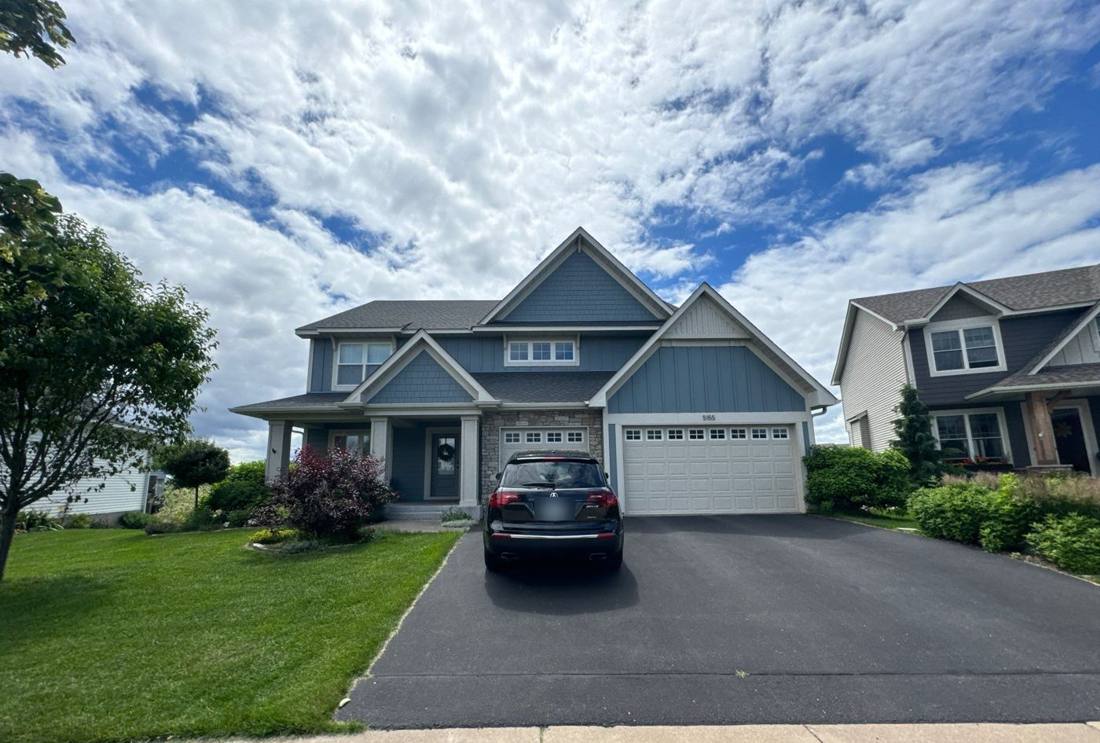
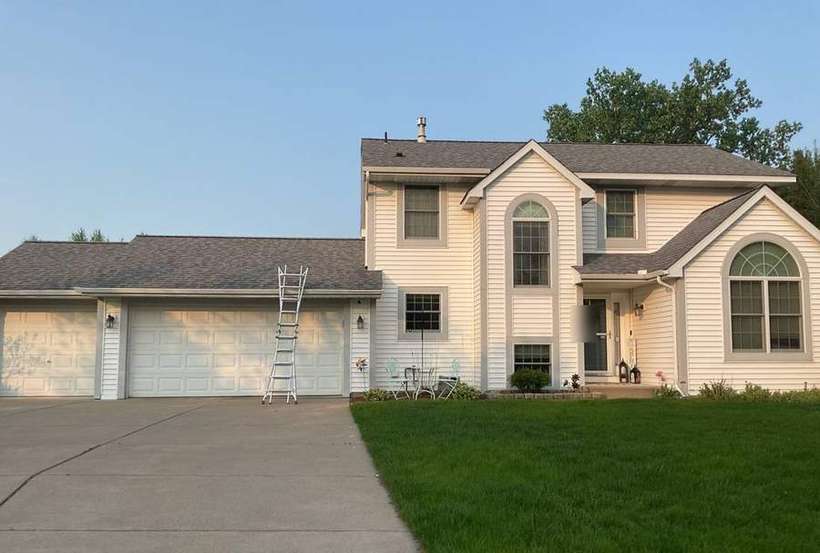
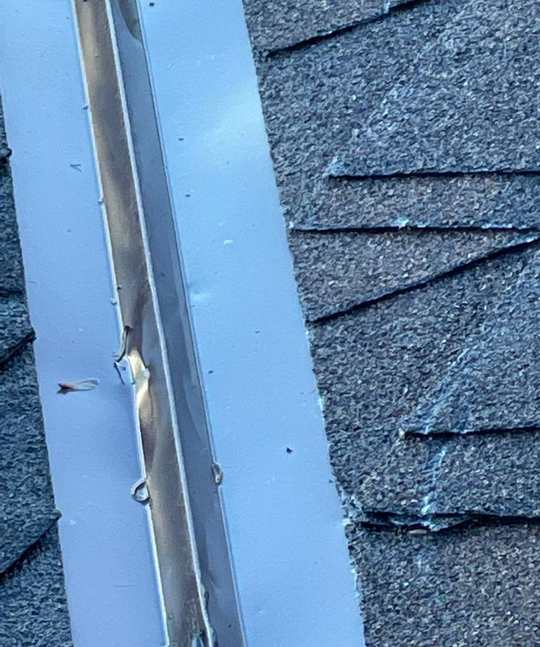
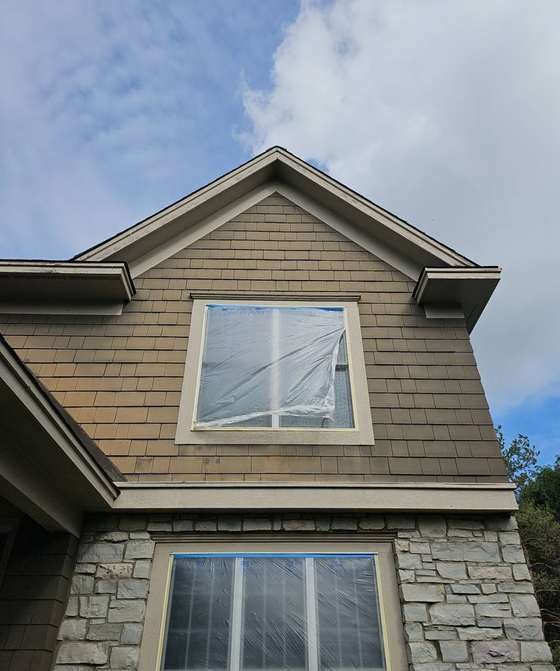
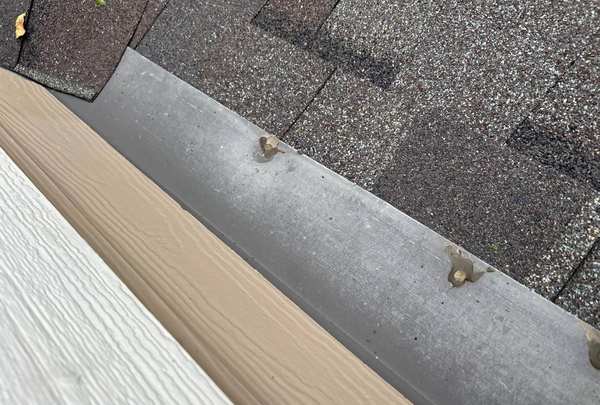
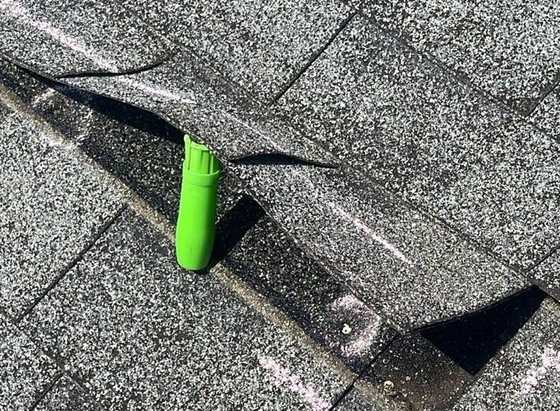
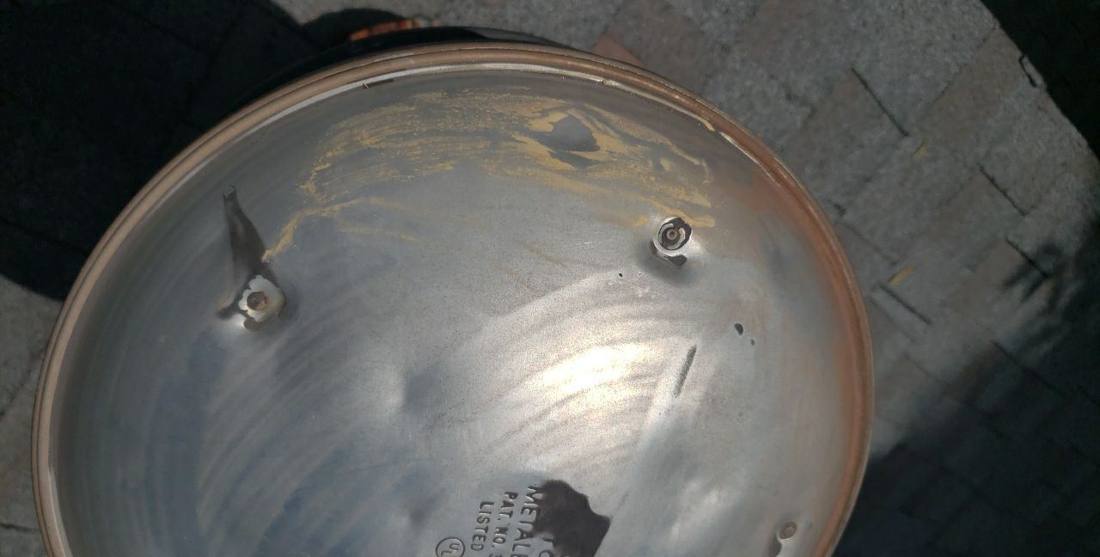
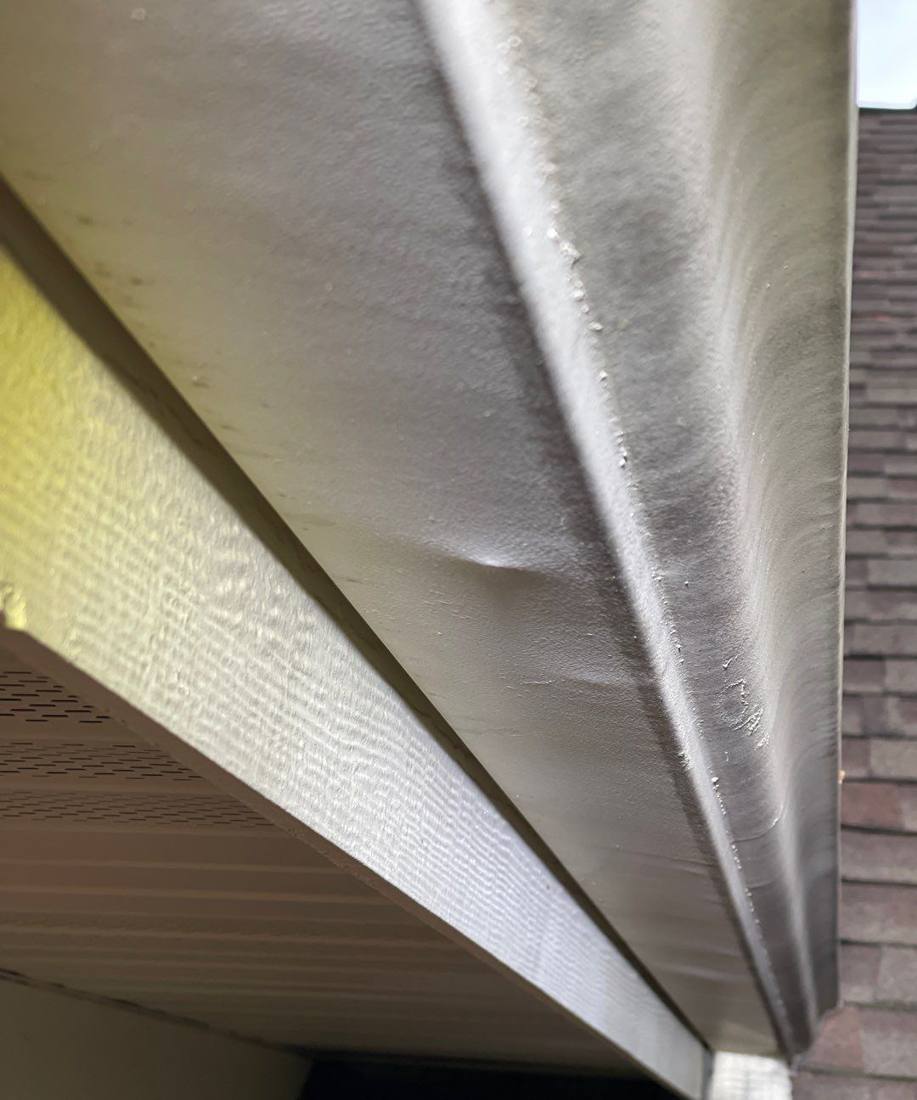
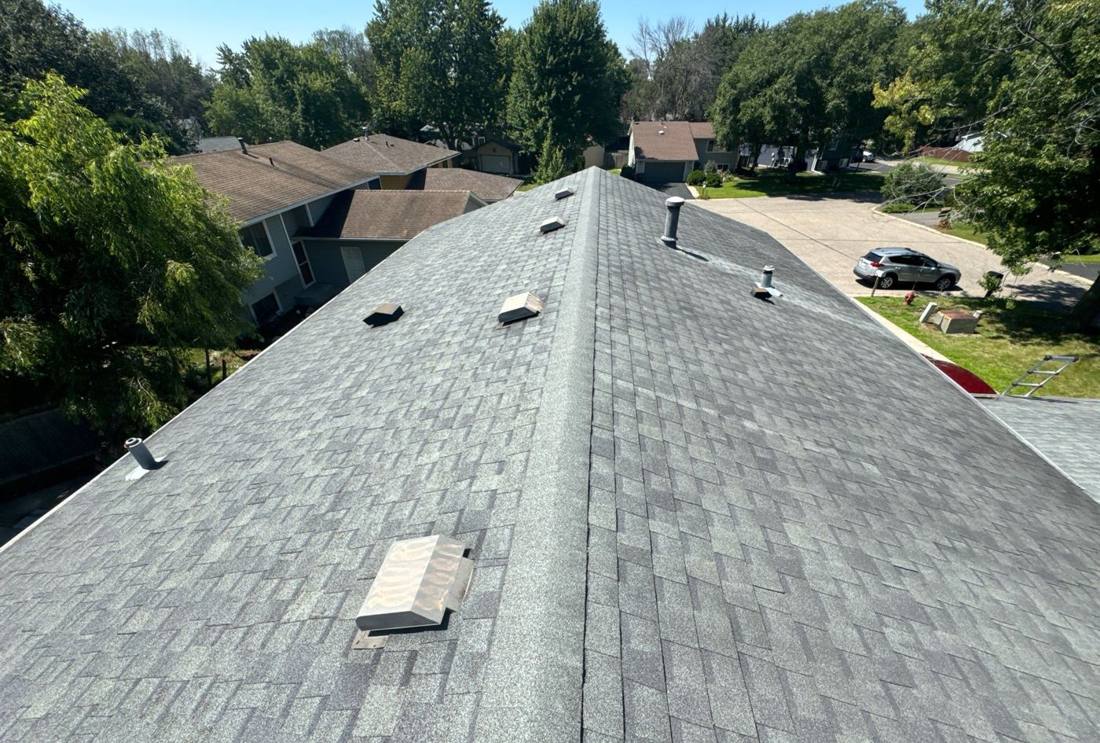
For roofs, that history means lots of similar-age shingles hitting the end of their life at the same time, on houses designed with curb appeal in mind: stacked gables, hip-and-valley garages, arched-window bump-outs and long roof-to-wall lines where siding meets shingles. Every one of those valleys and wall joints is a place where hail damage hides and where ice dams and leaks start. Many homes are also in associations that approve shingle color and style before work begins. That is why we walk and photograph every roof plane, check the metal valleys, vents, trim and gutters, and build replacements to the city's roofing handout, including kick-out flashing when new siding goes on too.