The Robert Street rooflineWhy do so many South Robert Street buildings have roof leaks?
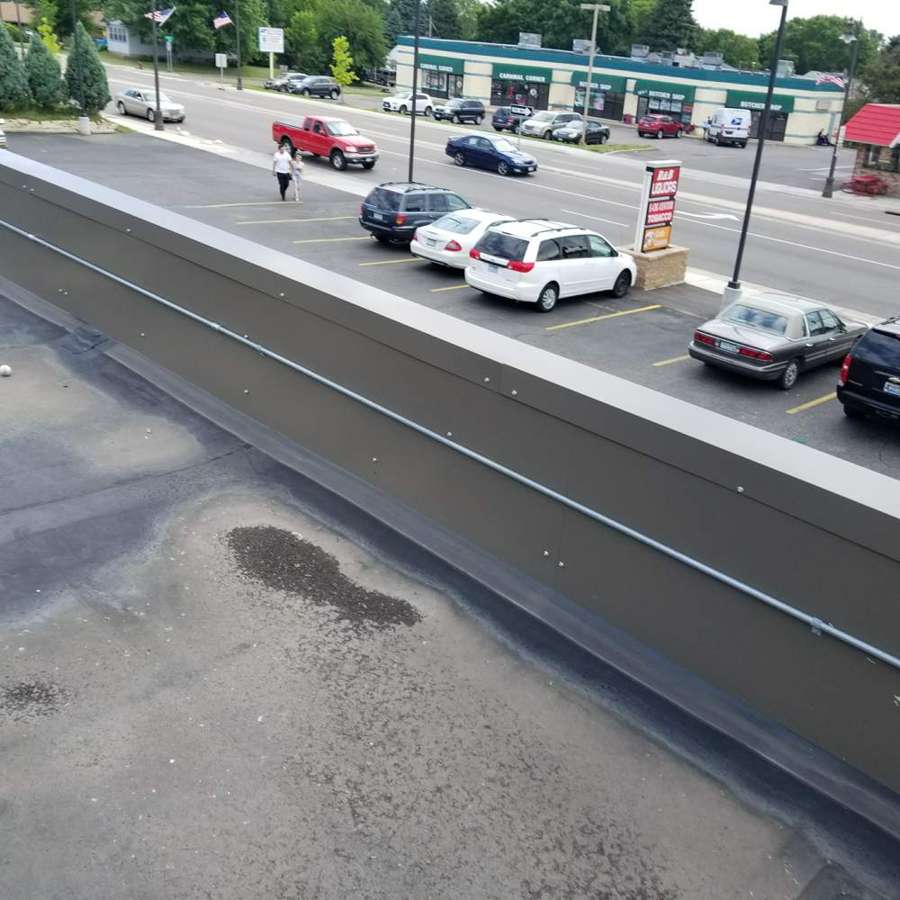
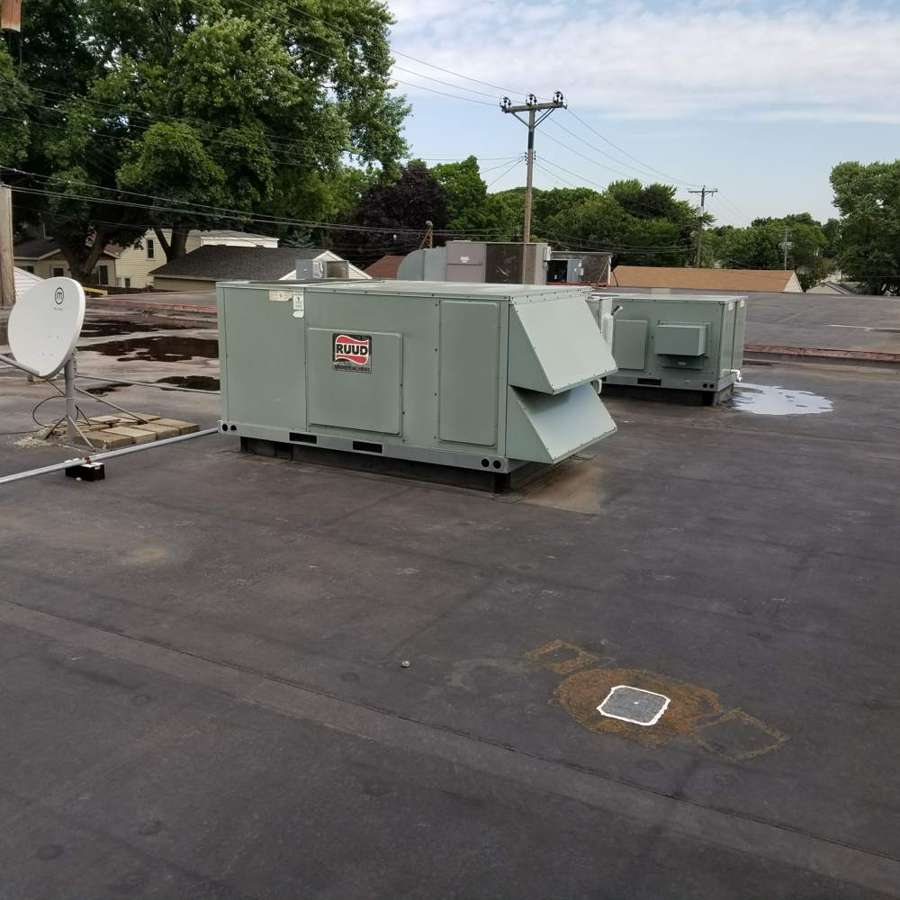
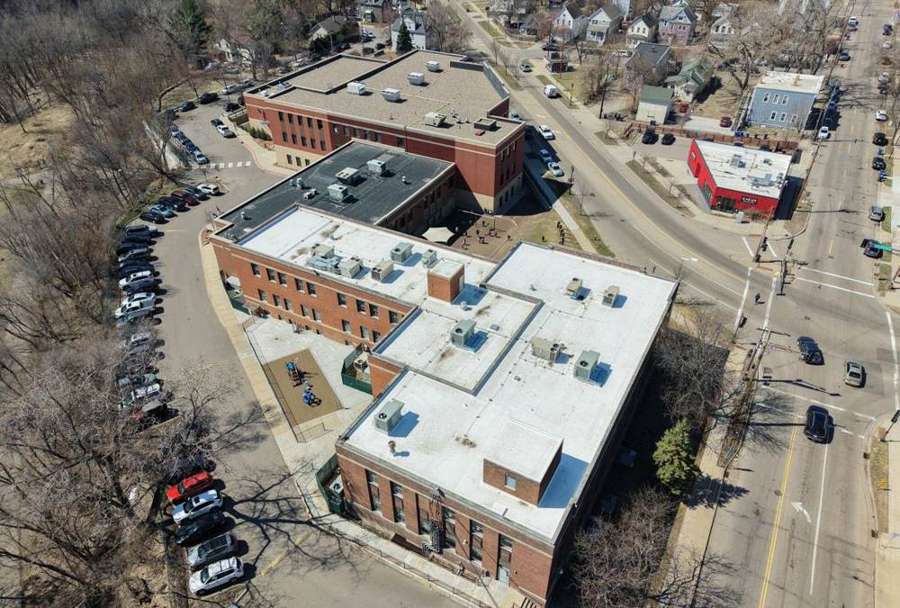
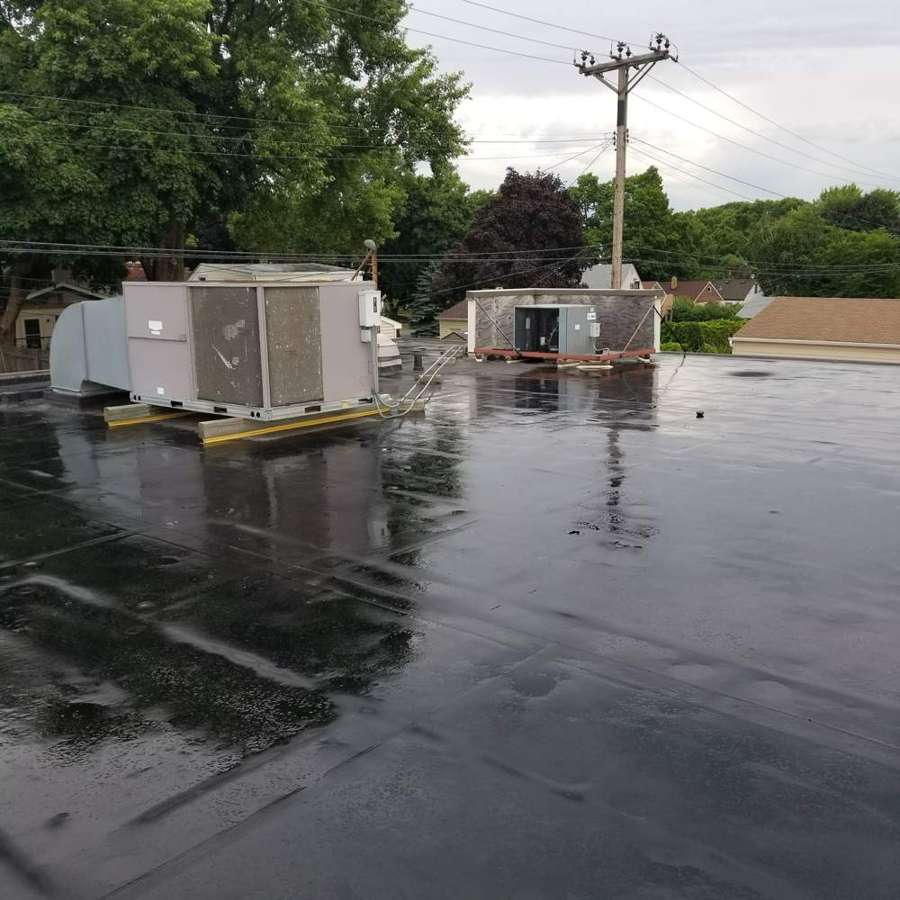
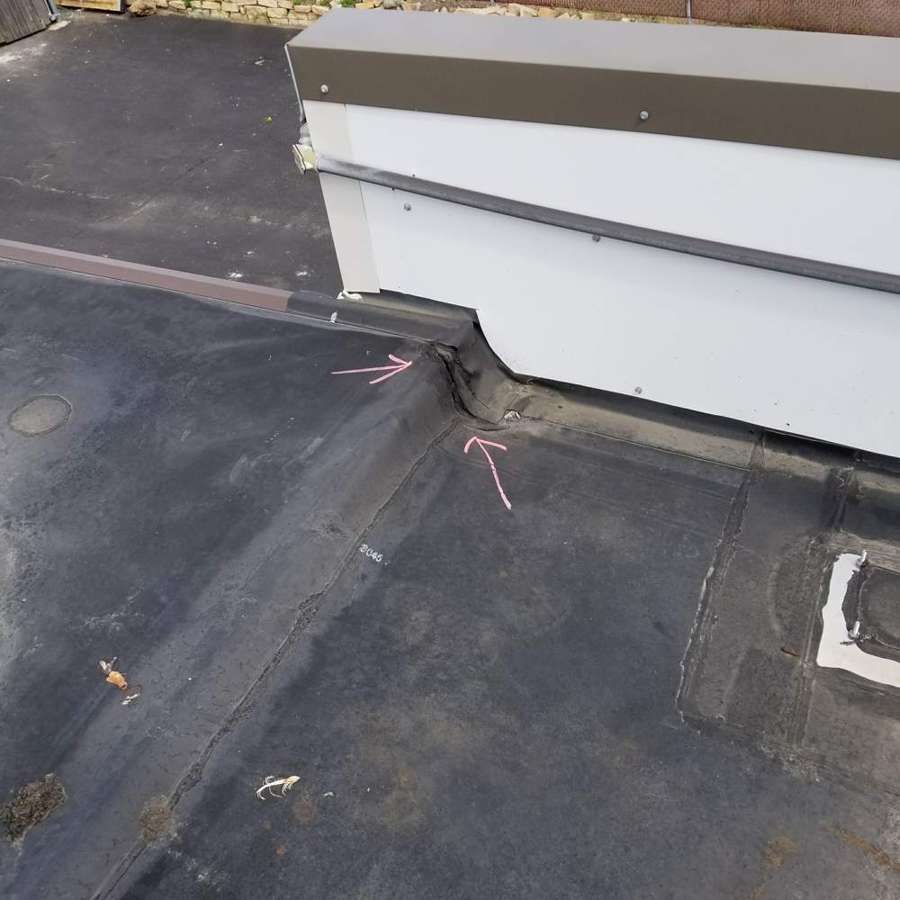
Most of the shops along South Robert Street sit under long, flat single-ply roofs lined with rooftop units, parapet walls and metal coping. Those roofs rarely fail in the middle. Water gets in at seams, curb corners and coping joints, then runs along the deck and shows up as a stained ceiling tile somewhere else. Finding the real entry point takes a walk of the whole roof, not a patch over the stain.
Robert Street is West St. Paul's main road. The city says about 20,000 cars a day travel it, and a $42.5 million reconstruction of the retail stretch wrapped up in 2017. A West St. Paul Reader fact check counted at least 80 new businesses on the street after that project. Many of them moved into older one-story strip buildings, so the roof over a new storefront is often decades older than the sign.
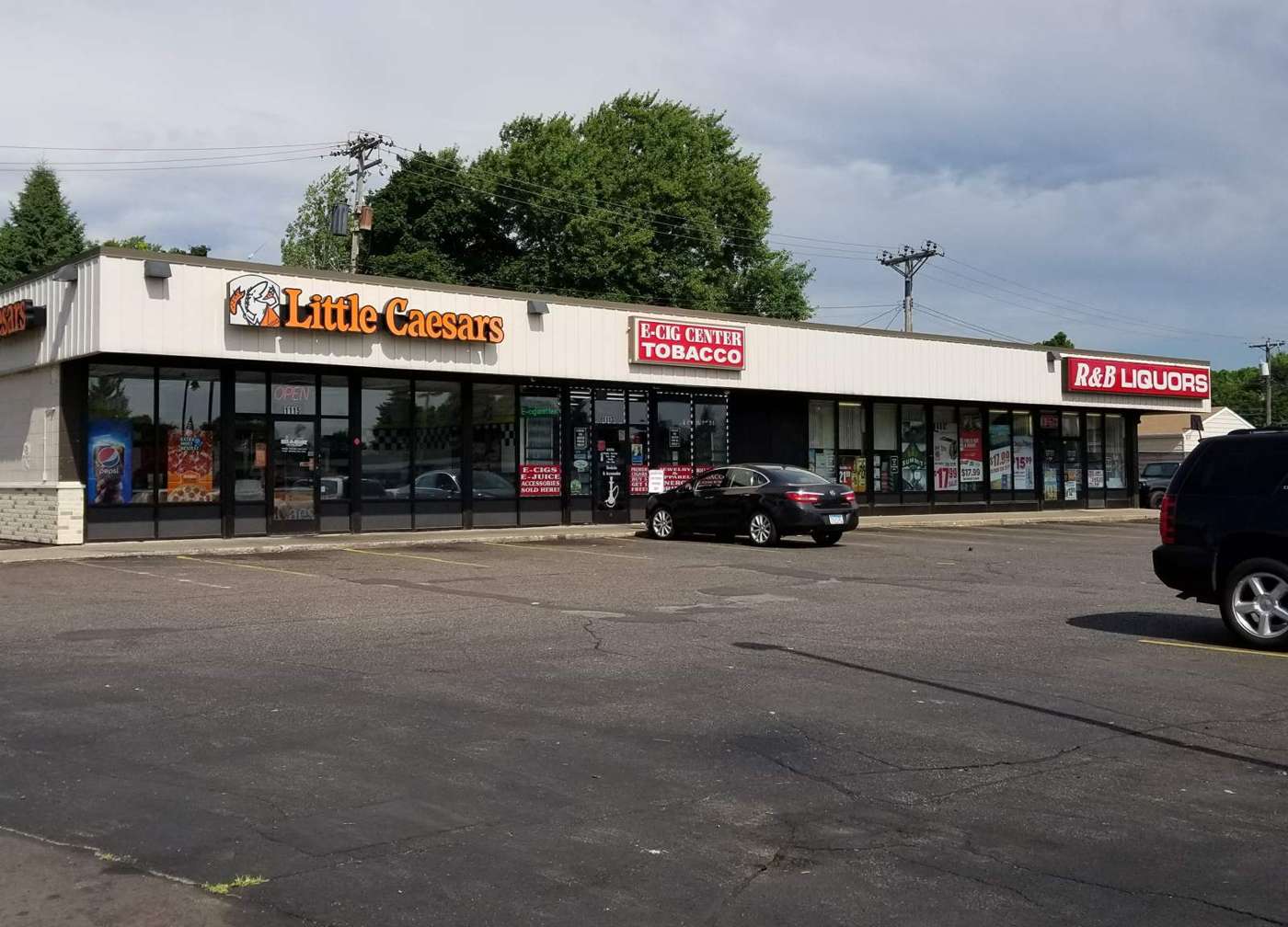
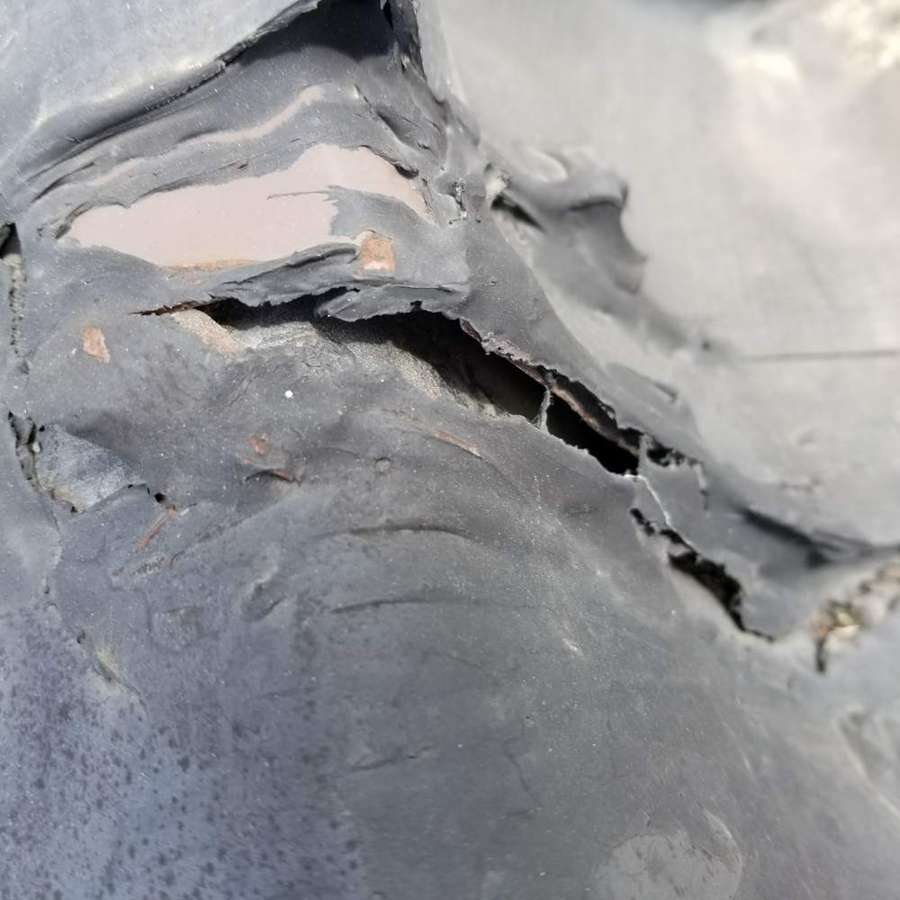
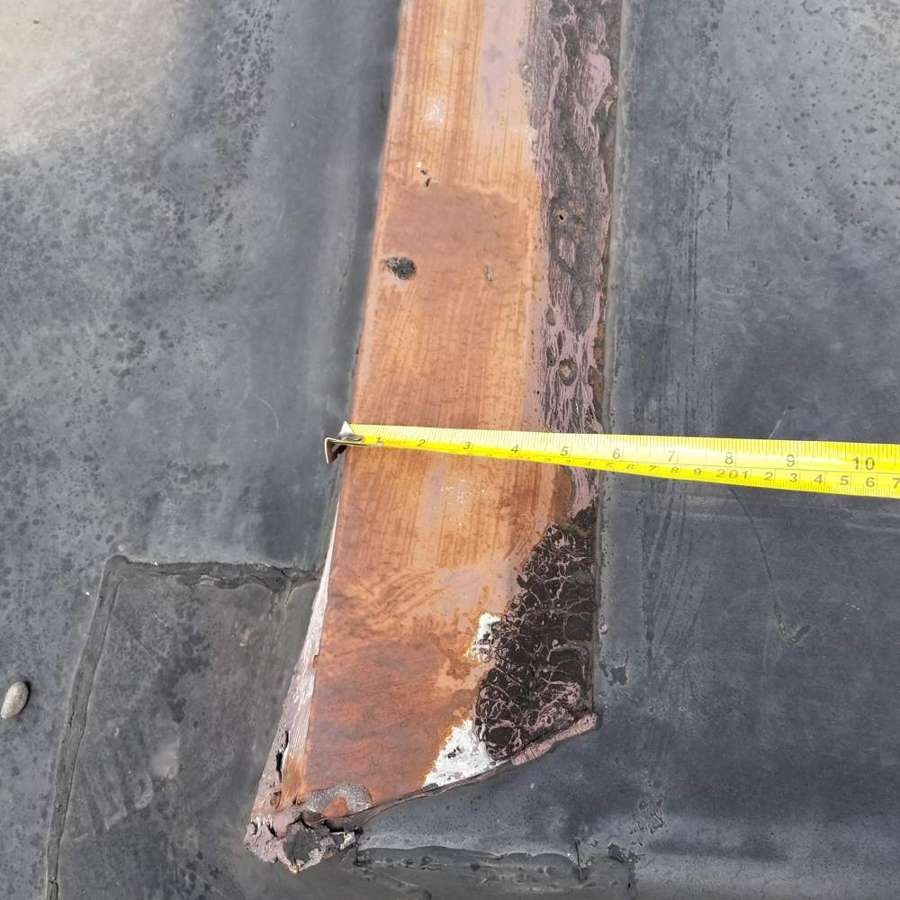
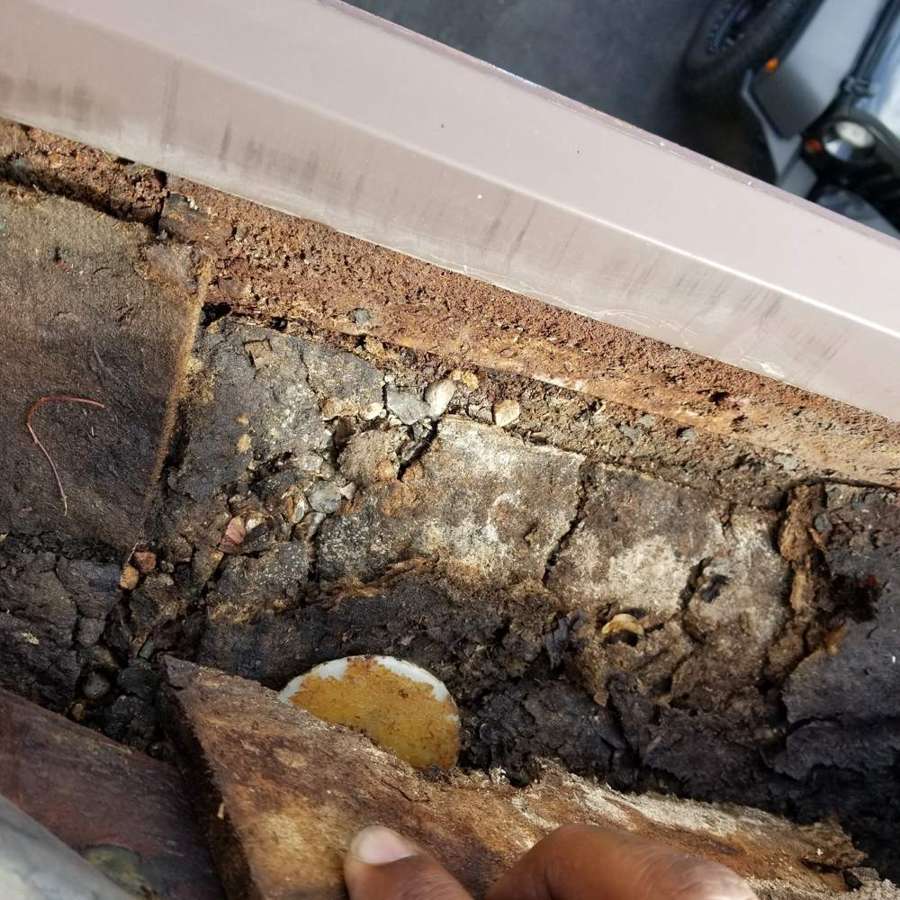
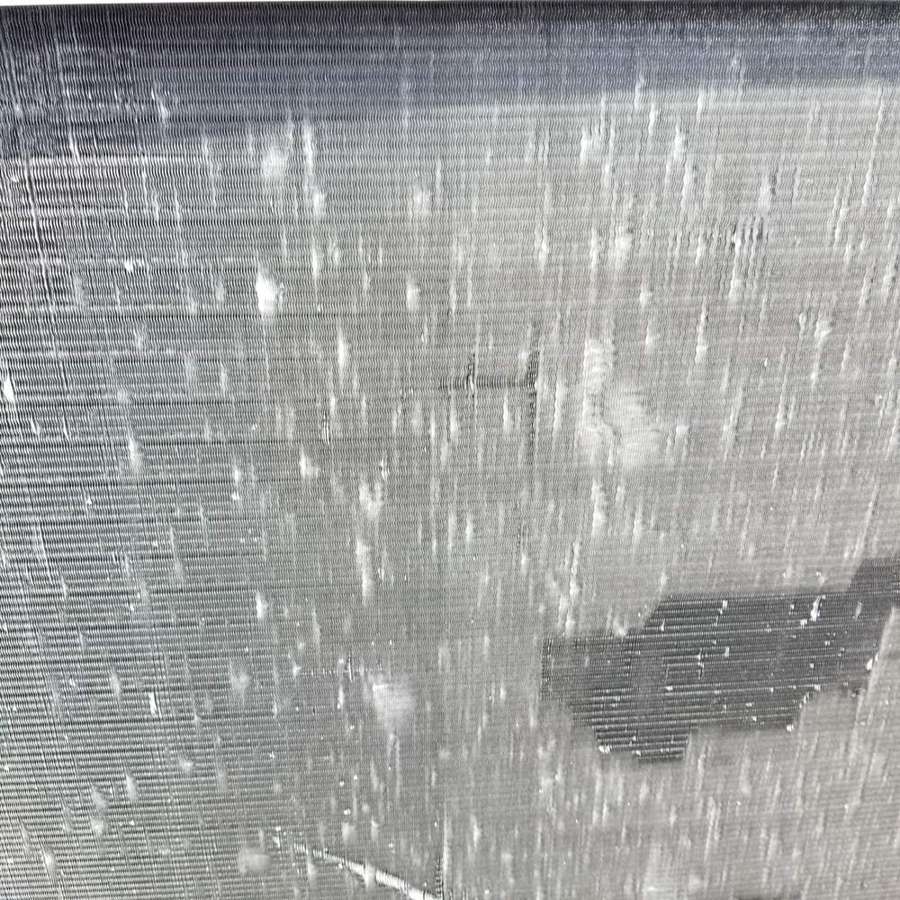
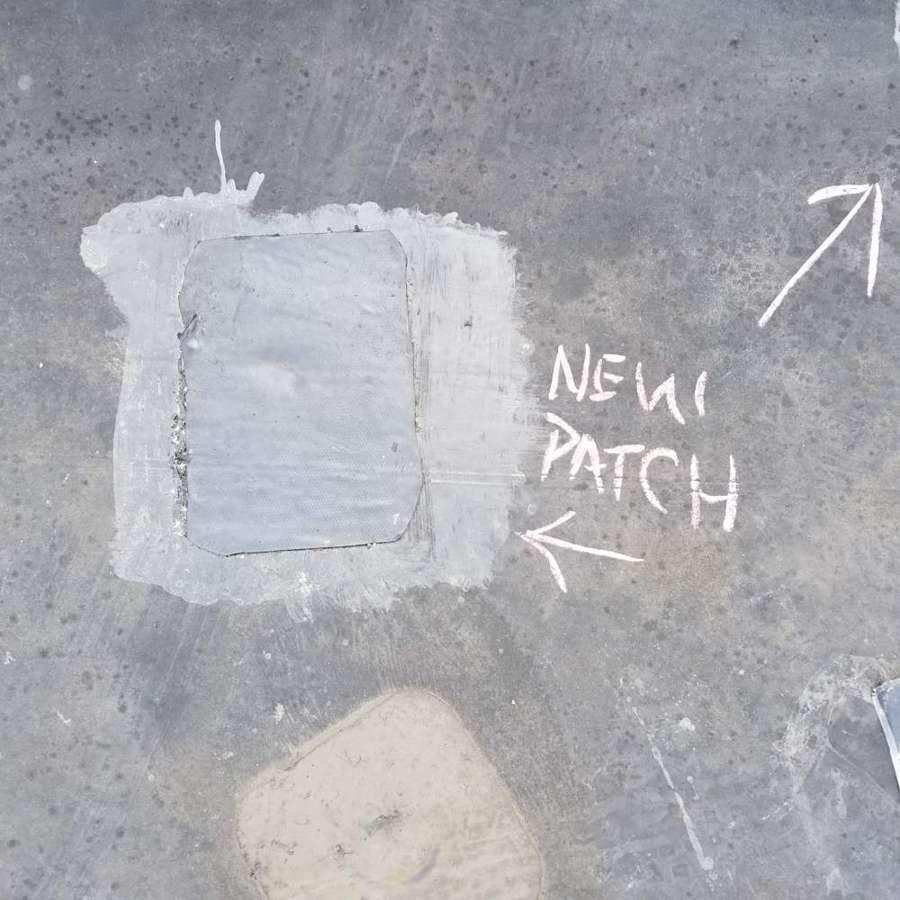
At the Little Caesars strip center at 1111 S. Robert St., our photos show what that looks like from above: ponding water around rooftop units, a split in the membrane where it turns up a curb, rusted metal strips at the edge, and old patches from earlier leak calls. Inside, the ceiling grid showed matching stains. That is the pattern we look for on every Robert Street roof: follow the water from the ceiling back to the roof, and fix the detail that let it in.
Tenants and owners usually see a leak from different sides. The tenant sees a wet ceiling tile; the owner gets the call. A dated photo report of the whole roof gives both of them the same picture before anyone decides between a repair, a recover or a new roof.