Why St. Paul Park is differentWhy does every St. Paul Park street have roofs from different decades?
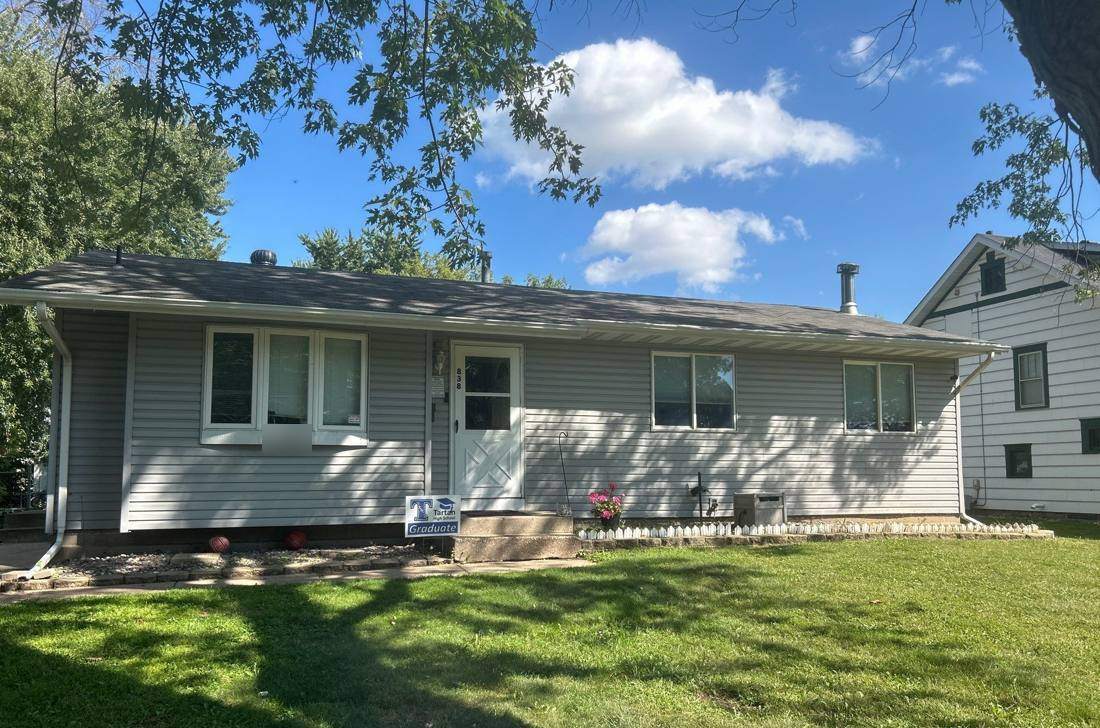
Because the town was laid out for a boom that stopped. St. Paul Park was platted in 1887 for thousands of factory workers, the panic of 1893 ended the boom, and in 1908 the sheriff auctioned more than 4,000 unsold lots. Those lots filled in slowly for the next century, so a 1920s house, a 1960s rambler and a 2000s home can sit side by side, each with a different roof deck under the shingles.
The St. Paul Park Improvement Company bought William Fowler's farm in 1887. Within a year the village had about 1,200 people, more than 200 homes and a dozen factories on its own rail spur, from the St. Paul Knitting Works to sleigh and carriage makers. Commuters rode the 'Burlington Motor' train from St. Paul: 25 minutes, 6 cents. Then the money ran out. Many idle factories burned, and the lots went to auction.
The Census numbers show the slow refill: 109 homes from before 1940, 174 from the 1940s, 344 from the 1950s and 549 from the 1960s, the busiest decade. The 1980s added 417 more, including the 175 homes of Stevens Ridge, and the 2000s added 362 after the city annexed land from Grey Cloud Island Township in 2005. There are also 184 manufactured homes.
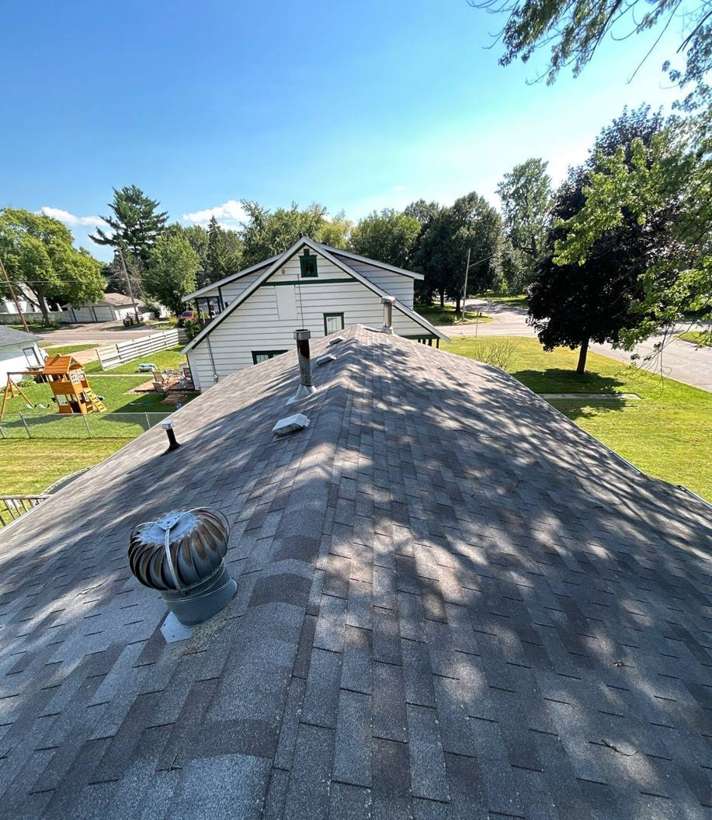
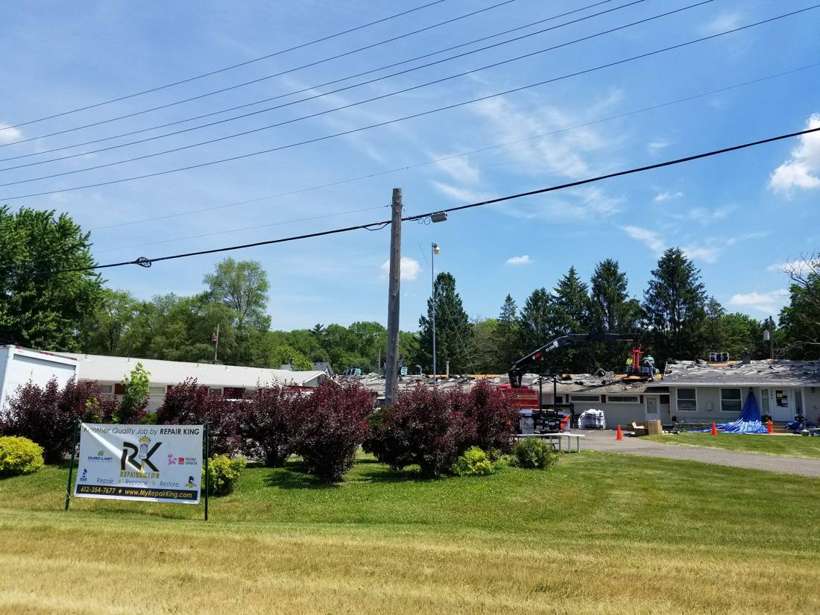
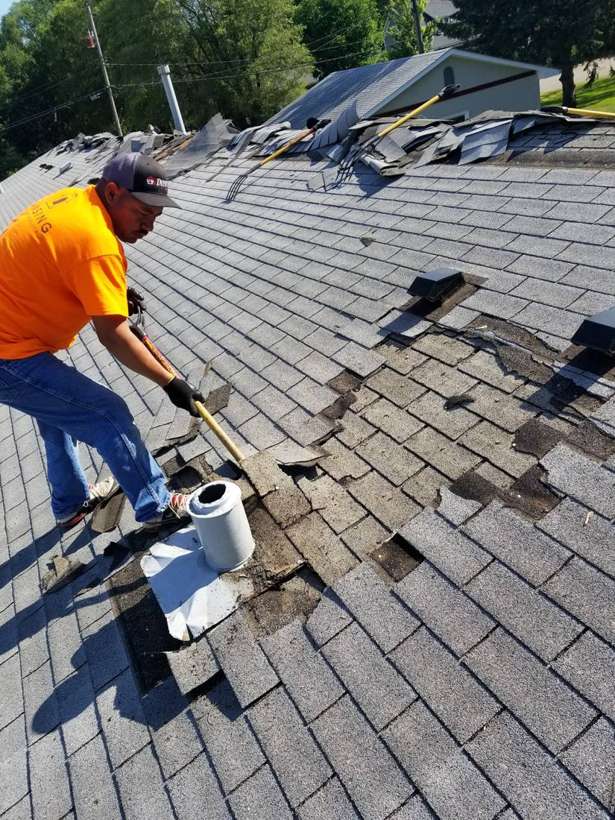
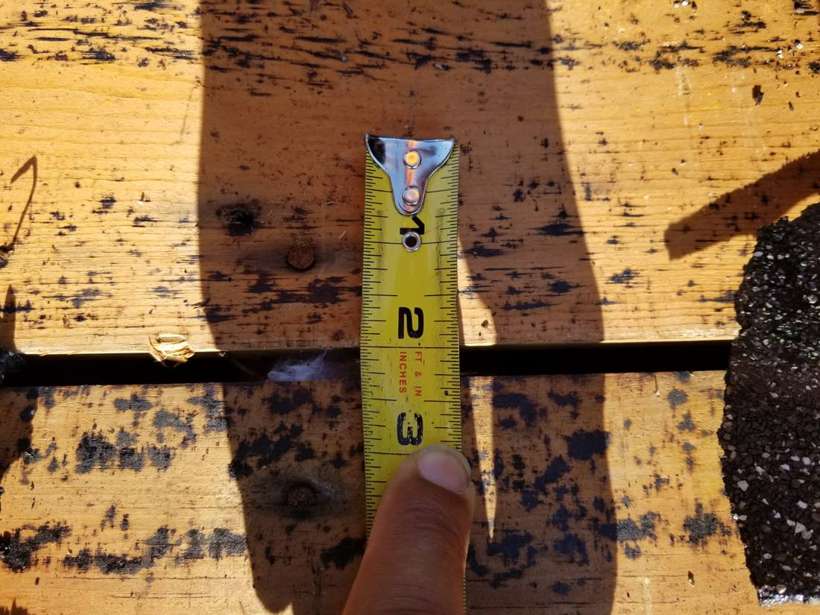
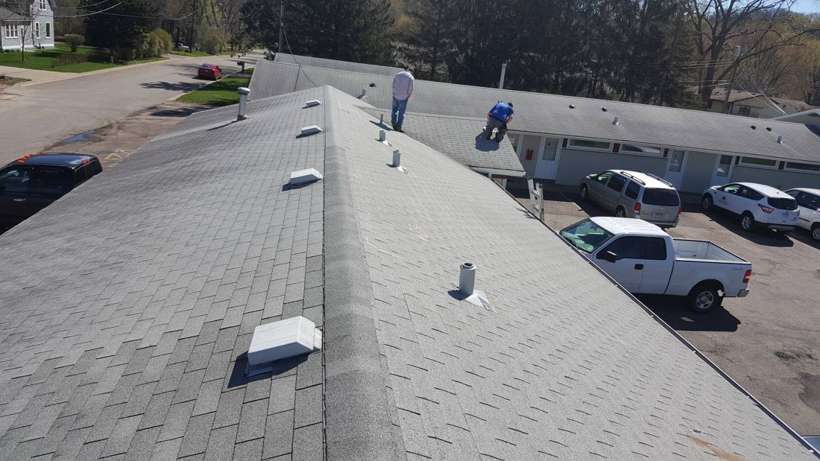
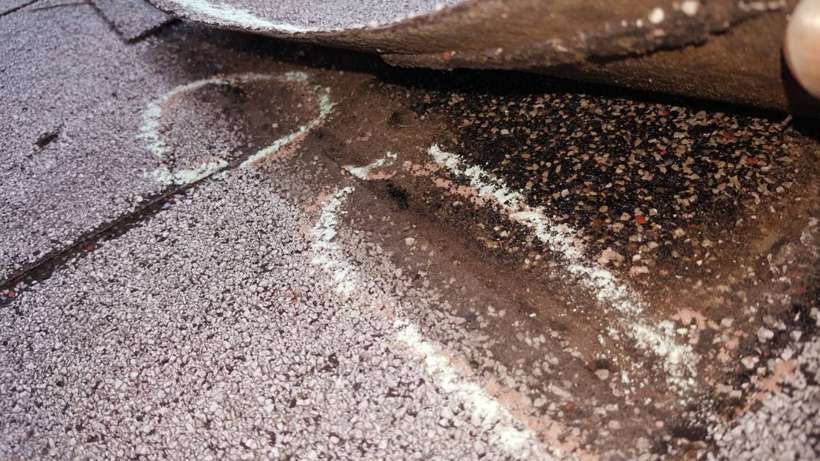
For a roofer, that means you can't assume what's under the shingles. Older houses often have plank board decking with gaps between the boards; newer ones have plywood or OSB. On a tear-off we measure the gaps and photograph any boards that need replacing before new shingles go down, like we did on the Red Rock Lodge job in Newport.