Why St. James is differentWhat does it take to re-roof a century-old church in St. James?
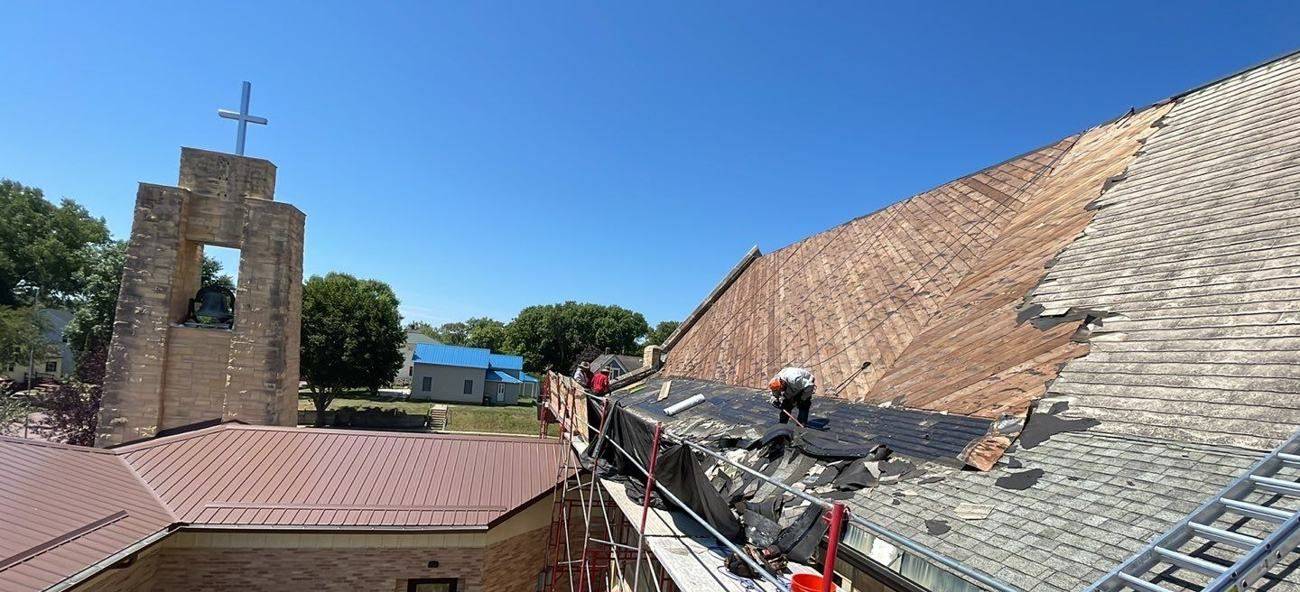
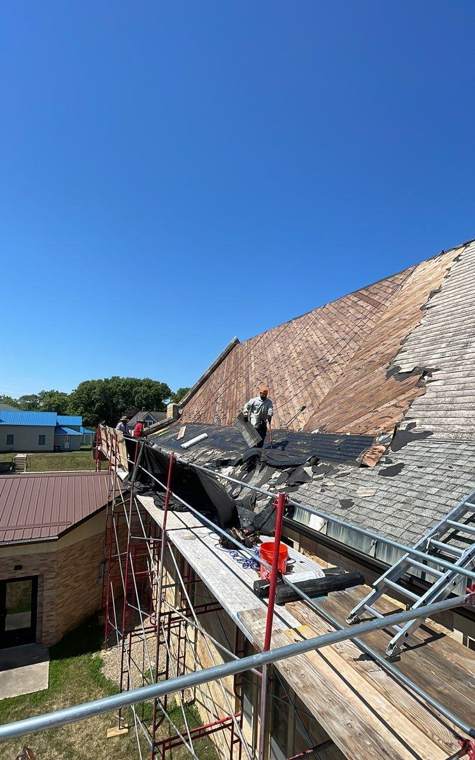
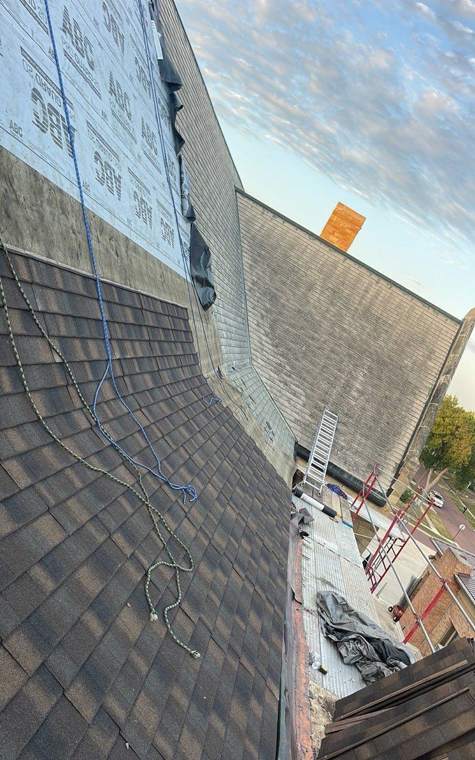
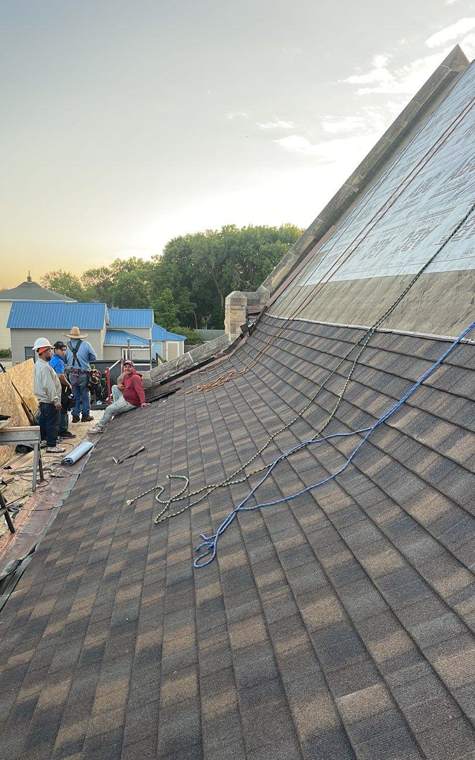
Planning, rigging and documentation before a single shingle comes off. At St. Paul's Lutheran, that meant a drone inspection that mapped 37 hail-hit spots, about six phone meetings and three on-site meetings with the church, full scaffolding, SkyTrak telehandler lifts and fall-protection anchors on a roof too steep to walk untied. Minnesota also requires public and commercial buildings to be inspected for asbestos before renovation or demolition work begins.
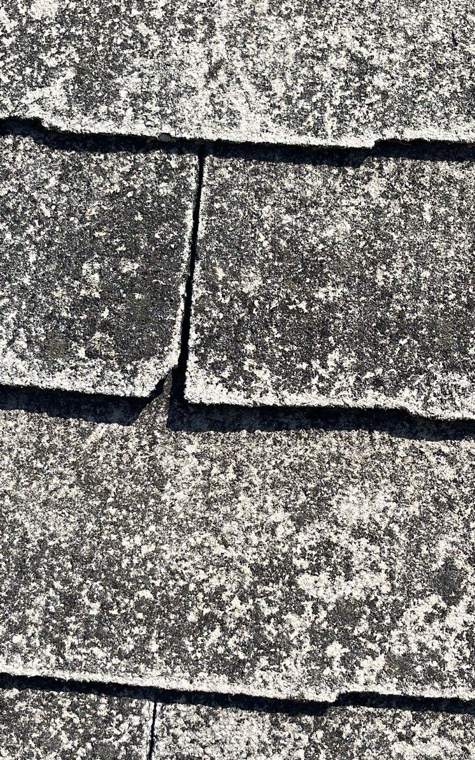
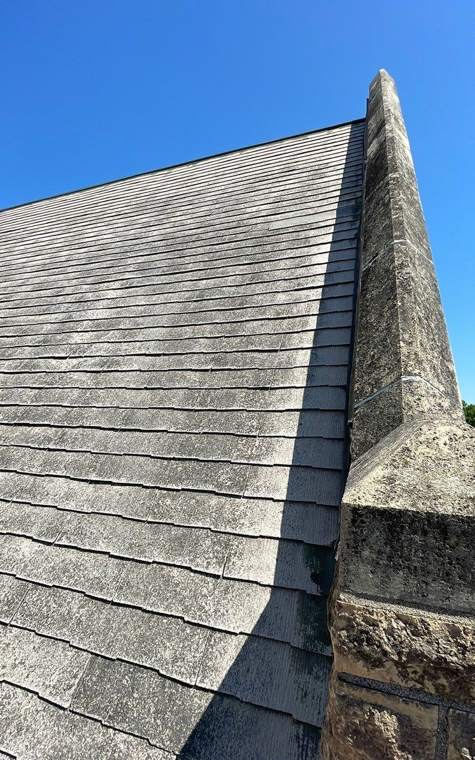
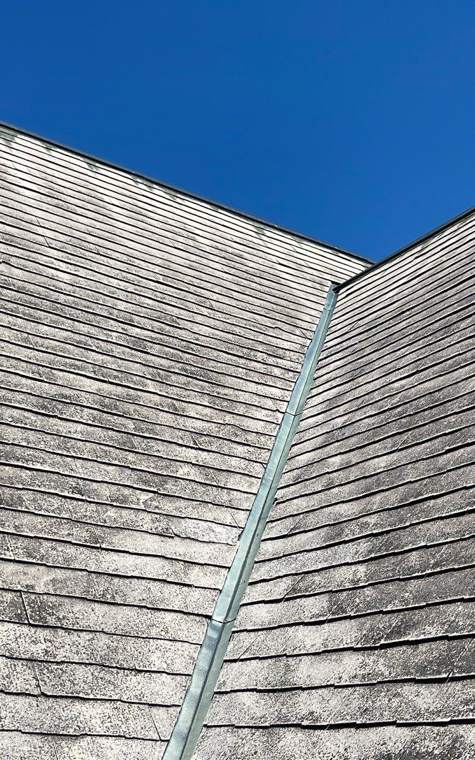
St. James has the church and civic buildings of a much bigger town: the 1896 Watonwan County Courthouse, the 1892 Grand Opera House on First Avenue South, and congregations whose roofs date back generations. Roofs like these are steep, tall and hard to see from the ground. The old slate-style shingles at St. Paul's Lutheran looked fine from the parking lot; from the air, they showed cracked and broken pieces, heavy lichen and hail hits nobody knew about.
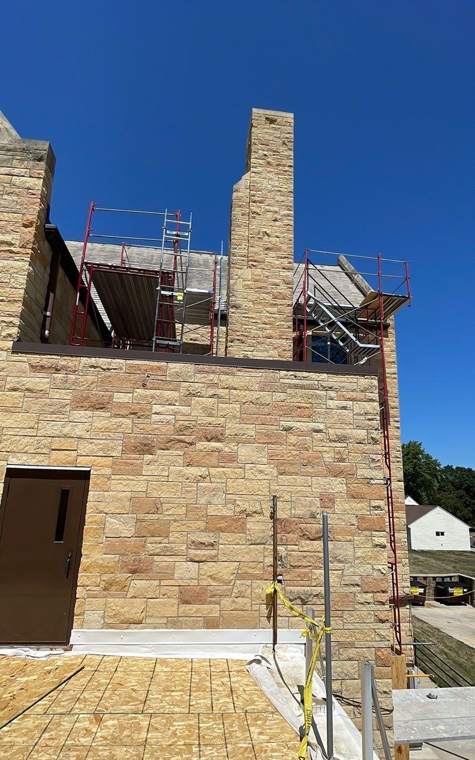
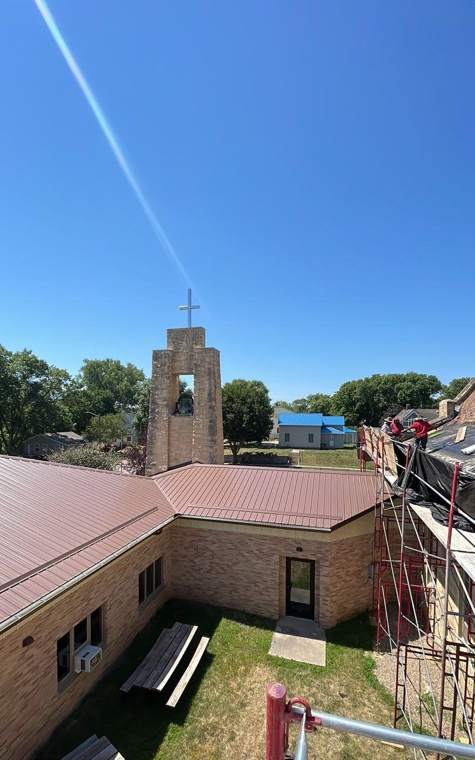
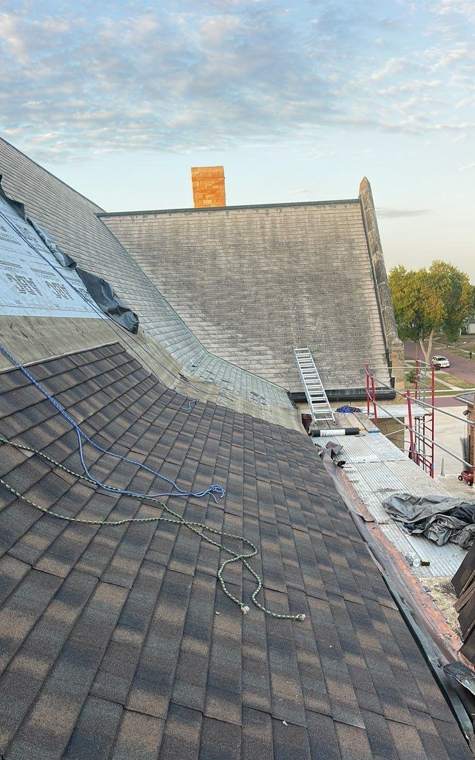
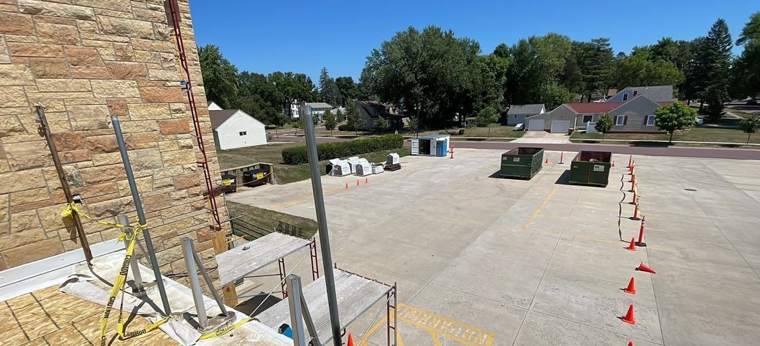
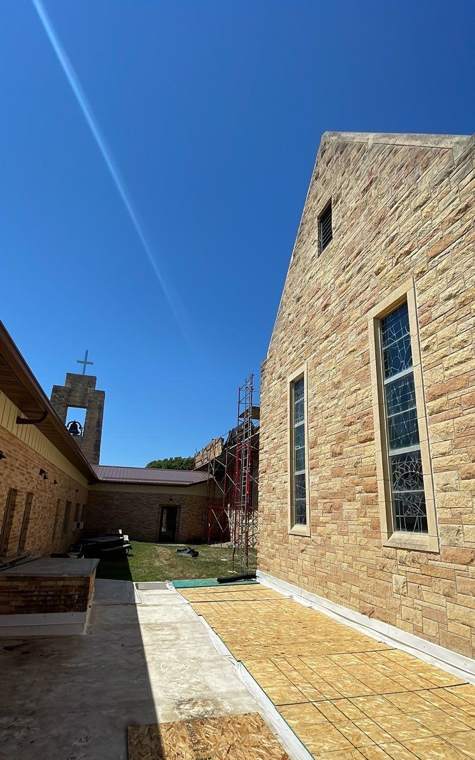
Once a job like that is approved, the site work matters as much as the shingles. Our project manager set the schedule with the church, dumpsters and material staging went where they would not block the building, scaffolding and guardrails went up along the eaves, and every roofer worked tied off to anchors on the steep slopes. The church member who recorded the video above expected about three weeks of work.
Older roofs carry one more step. The Minnesota Department of Health says all public and commercial buildings, regardless of age or construction type, must be inspected for asbestos before renovation or demolition begins, and that the only way to know whether roofing contains asbestos is lab analysis of samples taken by an MDH-certified inspector. If you own or manage an older church, school or downtown building in St. James, plan for that inspection before you set a tear-off date.