

A pipe burst in my Minnesota house: what do I do in the first hour?
Shut off the water at the main valve, usually in the basement near the water meter, and stay away from water near outlets or the panel. Then photograph everything before moving anything, get valuables out, and call a plumber and a restoration contractor.
It's 2 a.m., twenty below, and you wake up to a sound that doesn't belong. A hiss behind the wall. Water ticking onto the basement floor. Maybe a ceiling that's starting to sag.
The next hour matters more than the next week. Here's what to do, in order, and what to leave alone until the water is off and the room is safe.
What should I do first when a pipe bursts?
Shut off the water. Close the main shut-off valve, which in most Minnesota homes is in the basement near the water meter where the service line comes through the foundation. Everything else waits until the water stops.
If the leak is clearly from one fixture (a toilet supply line, a sink), the small valve under that fixture may be enough. If you can't tell where the water is coming from, or it's inside a wall or ceiling, go straight to the main.
- Stop the water. Main valve near the meter, or the fixture valve if the source is obvious. Turn it clockwise until it stops.
- Make the room safe. If water is near outlets, cords, a furnace, or the electrical panel, don't wade in. More on that below.
- Open a faucet on the lowest level. That drains what's still in the lines instead of letting it keep feeding the break.
- Photograph and video everything before you move it. Wide shots first, then close-ups.
- Move out what you can carry safely. Electronics, papers, rugs, anything that soaks water up.
- Call a plumber for the pipe and a restoration contractor for the drying and repair, then notify your insurance company.
Where is my main water shut-off in a Minnesota house?
Look where the water line enters the house, usually a basement foundation wall facing the street. The meter sits there, with a valve on one or both sides. The St. Paul Regional Water Services guide notes meters in most homes sit a few inches off the basement floor, sometimes in an unheated side room or boxed in behind drywall from an old remodel.
Is it safe to walk into a flooded room with electricity on?
Not if water has reached outlets, extension cords, appliances, or the panel. Stay out and shut off power to that area only if you can reach the breaker from a dry spot. If you can't, call your utility or an electrician.
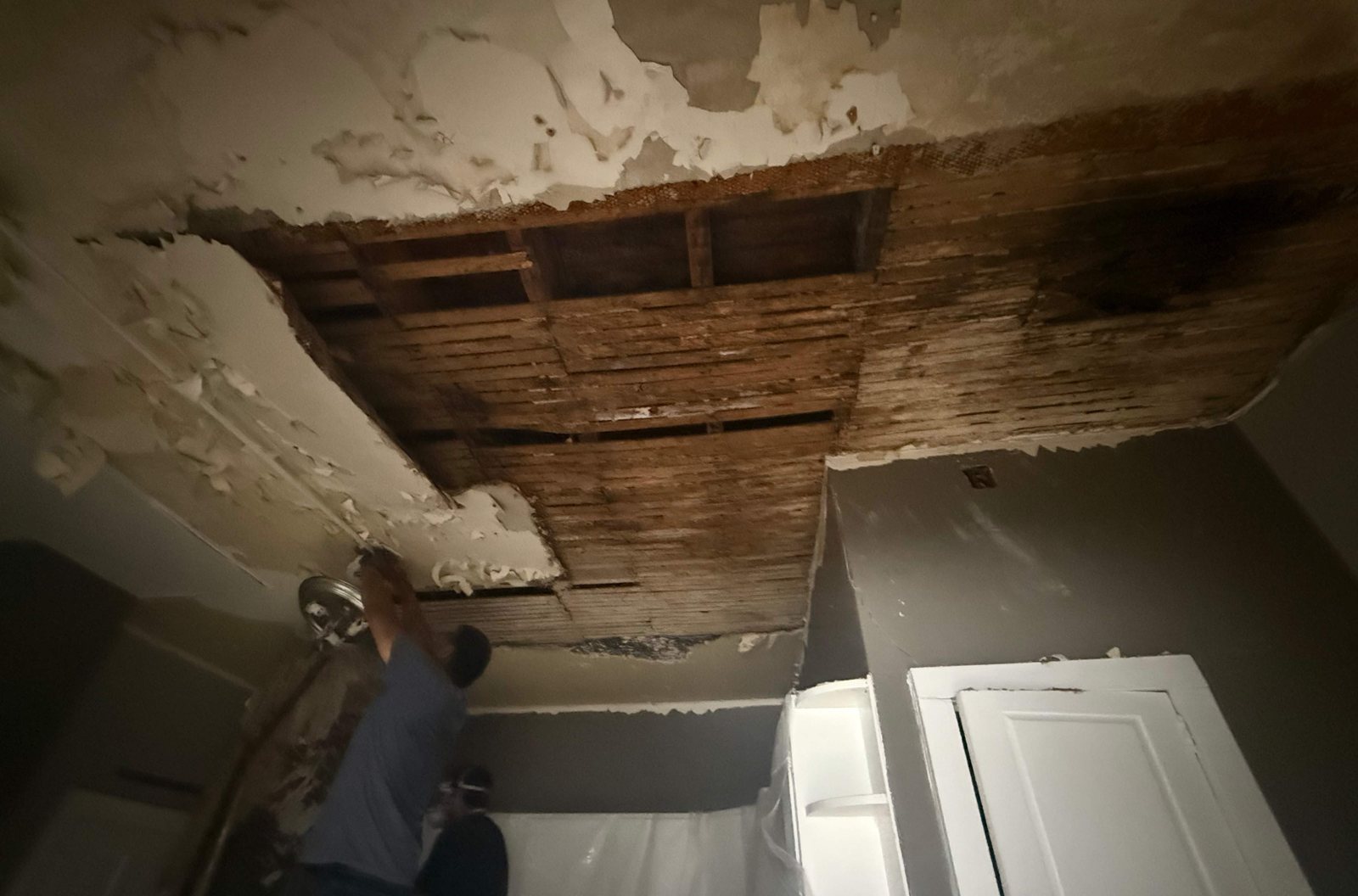
Water coming through a ceiling often follows light fixtures and electrical boxes, so a sagging ceiling with a light in it is a hazard on two counts. Don't turn that light on. Keep people and pets out from under a bulging ceiling, too; wet drywall is heavy and it can let go.
What should I photograph before cleaning up water damage?
Photograph the source, the standing water, every wet surface, and the damaged belongings where they sit, before you move or throw anything out. Take a slow video walking room to room too, then close-ups.
The instinct is to start mopping. Take five minutes with your phone first. Once the water's gone and the soaked boxes are at the curb, nobody can see what happened.
- The broken pipe or fitting itself, close enough to see the split
- Water on floors, with something for scale
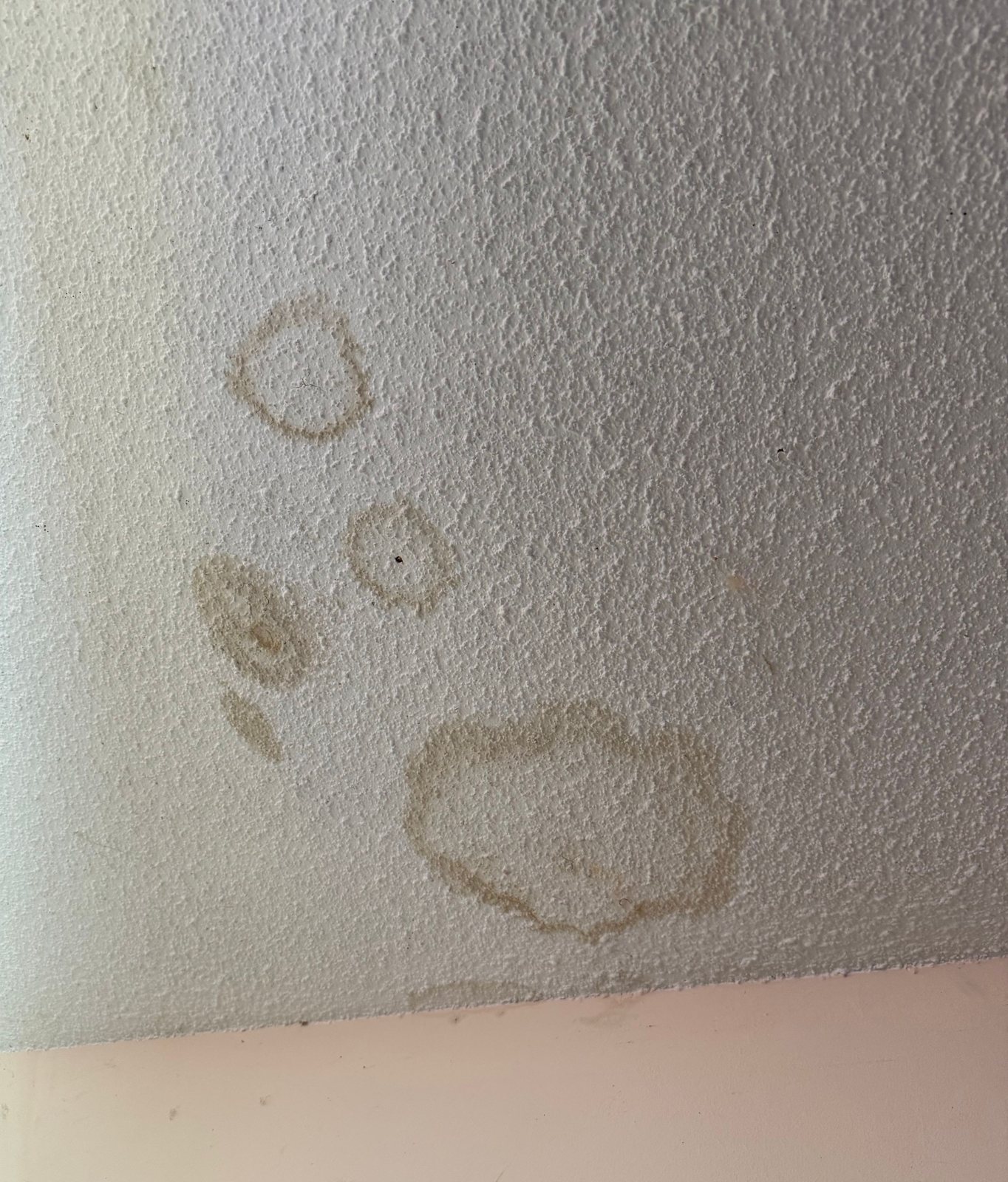
- Stains and sags on ceilings and walls, including the rooms below
- Furniture legs, baseboards, and cabinet bases sitting in water
- Serial numbers and labels on damaged appliances and electronics
- The thermostat reading and the outdoor temperature, if the pipe froze
What should I move out, and what should I leave in place?
Pull out things that are valuable, portable, or soak up water: electronics, documents, photos, area rugs, cushions. Leave built-in items like cabinets, flooring, and drywall where they are until they've been documented and assessed.
| Get it out now (after photos) | Leave it for assessment |
|---|---|
| Electronics and small appliances, unplugged from a dry spot | Drywall, ceilings, and insulation |
| Papers, photo albums, books | Built-in cabinets and vanities |
| Area rugs and loose cushions | Installed flooring and trim |
| Cardboard boxes on the basement floor | Furnace, water heater, and panel (leave to the pros) |
Put foil or blocks under furniture legs you can't move so the wood stops wicking water. Don't rip out wet drywall yourself before it's photographed; it's part of the record of what happened.
Why does wet drywall, insulation, and flooring get opened up?
Because water runs inside walls, under floors, and into ceiling cavities where you can't see it or dry it from the surface. Opening them up lets a contractor measure how far the water went and dry the framing behind it.
A wall can look fine on the painted side while the bottom plate and insulation behind it are soaked. Fiberglass batts hold water against the studs. Ceiling drywall below a bathroom holds the water on top of it until it stains or sags.
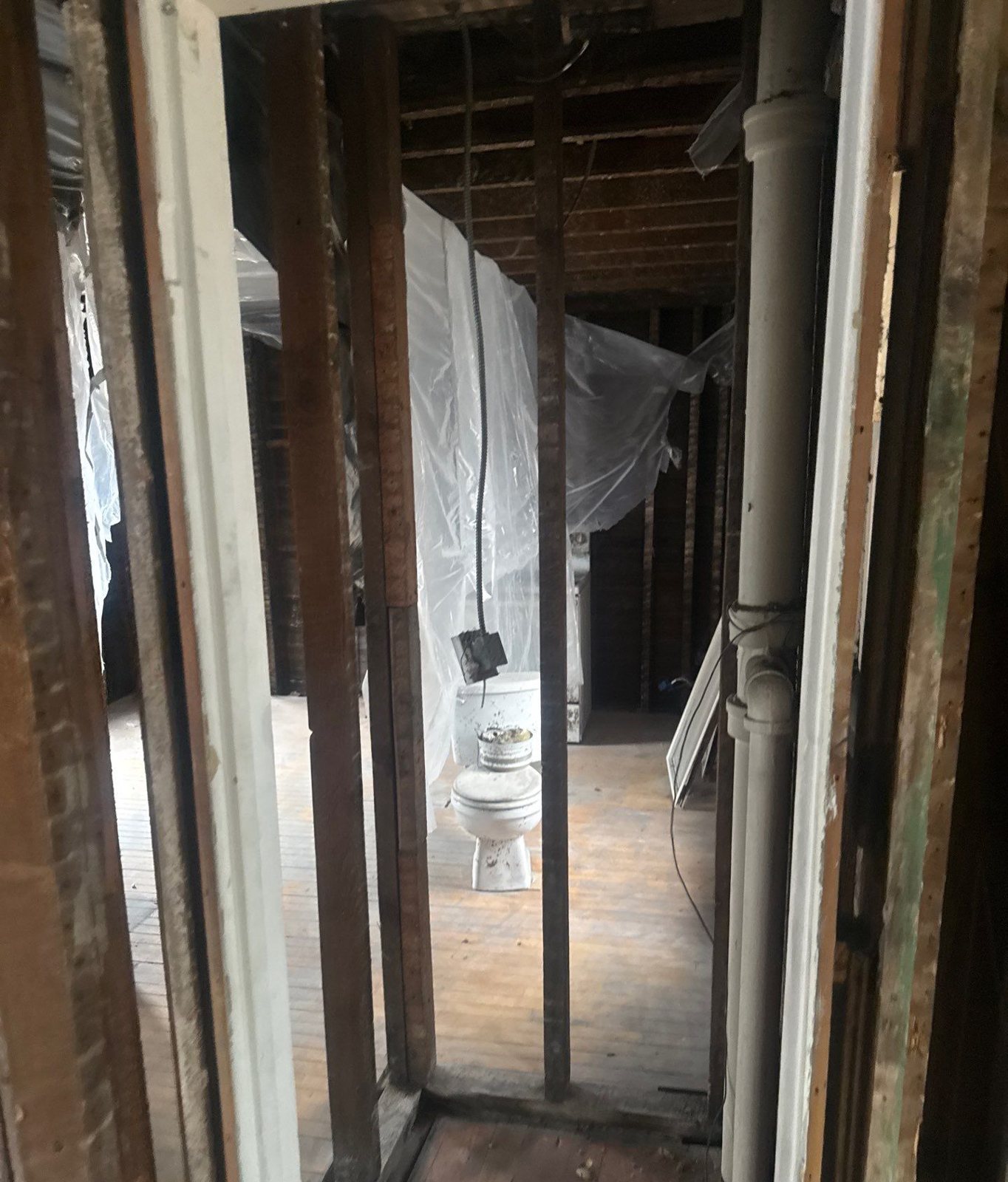
How much comes out depends on how wet the materials are and how long they stayed wet. That's a judgment made on site with a moisture meter, not from a photo, which is why the measurements and photos get recorded as the work happens.
Water on the floor or through the ceiling?
We'll document the damage, dry it out, and put it back together.
Get water damage help nowWhere do pipes freeze most in Minnesota homes?
Pipes freeze where they run through cold space: exterior walls, crawlspaces, attached garages, rooms built over garages, cabinets on outside walls, and basements where the service line comes in. Outdoor faucet lines are a classic one.
A few spots we'd check in any older Twin Cities house:
- Kitchen sinks on an outside wall, especially with the cabinet doors closed
- Bathrooms or bedrooms over an attached garage
- The water meter corner of a partly finished basement, where the floor and block wall run coldest
- Crawlspaces under additions and porches
- Any supply line in the garage itself
- The pipe feeding each outdoor hose spigot
How do I keep pipes from freezing before the next cold snap?
Keep heat on the pipes, stop cold air from reaching them, and drain the lines you don't need. In a hard cold snap, a trickle of cold water from a faucet on exposed pipes helps.
St. Paul's guide adds some Minnesota-specific ones: plug gaps along the foundation where wind gets into the basement or crawl space, close crawl space vents, fix cracked basement windows, and add vents if the meter has been boxed in by drywall. University of Minnesota Extension also advises draining and shutting off pipes that aren't used often in winter, especially lines leading outside.
Leaving for a week in January? Ask someone to check the house daily, or have the lines drained. A furnace that quits while you're gone is how a small freeze becomes a whole-floor problem. If ice dams are also part of your winter, our ice dam page covers the roof side of the same cold.
What do I tell my insurance company vs. what does the contractor document?
You report the loss to your insurer: when you found it, what happened, and what you did to stop it. A contractor documents the physical damage, with photos, moisture readings, and a repair estimate, and can share those observations with the adjuster.
Keep the roles straight. Your policy is between you and your insurance company, and questions about what's covered go to them or your agent. A contractor like Repair King isn't a public adjuster, and by Minnesota law we don't negotiate claims or interpret your policy.
| You (to your insurer) | The contractor (documentation) |
|---|---|
| Date and time you found the leak | Photos of the damage as found and as it's opened up |
| What you did to stop the water | Moisture readings in walls, ceilings, and floors |
| Your own photos and receipts | Scope of what was removed and why |
| List of damaged belongings | A written repair estimate |
| Coverage questions | Construction and damage observations when the adjuster visits |
One more thing: once the pipe is fixed and the house is dry, walk the rest of the house for the same weak spots. A pipe that froze once in an exterior wall will freeze again unless something changes.
Dealing with water damage right now?
We'll document it, dry it, and rebuild it, with photos at every step.
Questions people also ask
Should I turn off the water heater after a pipe burst?
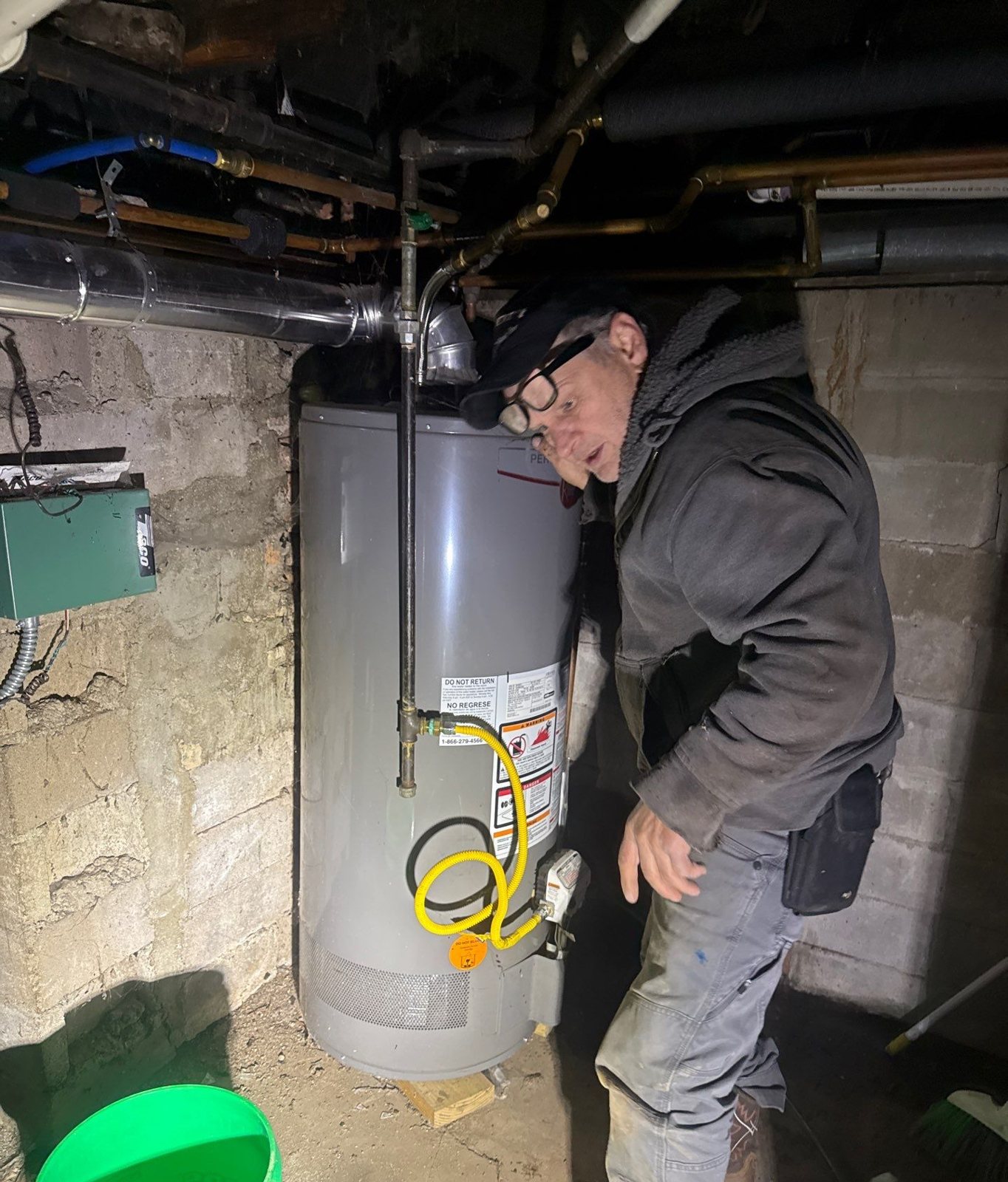
If you've shut off the main water supply, the water heater isn't being refilled. Many people turn a gas water heater to its vacation or pilot setting, or switch off the breaker for an electric one, until the plumbing is repaired. If the heater is sitting in water, leave it alone and let a plumber check it.
Can I use a hair dryer or space heater to thaw a frozen pipe?
Never use an open flame. The American Red Cross says to keep the faucet open while thawing and apply heat with tools like a hair dryer, a heating pad, or a portable space heater kept away from flammable materials. If you can't find or reach the frozen section, call a plumber.
Who pays to fix a frozen water service line in Minneapolis?
The City of Minneapolis says the property owner owns the service line from the water main to the meter and is responsible for hiring and paying someone to thaw or repair it. The city can send an inspector to confirm the line is frozen.
How do I know if my water line is frozen and not broken?
Minneapolis says your service line is probably frozen if it's very cold out, there's no water anywhere in the house, and your supply and main shut-off valves are open. A burst pipe usually shows itself as water somewhere it shouldn't be.
How long does it take to dry out after a burst pipe?
It depends on how much water, how long it sat, and which materials got wet. Drying is confirmed with moisture readings, not by how the surface looks, so the timeline gets set on site.
Sources
- Preventing & Thawing Frozen Pipes (American Red Cross)
- Frozen water service lines (City of Minneapolis)
- Protect Your House From Frozen Meters and Pipes (Saint Paul Regional Water Services)
- Keep your home warm and safe in winter (University of Minnesota Extension)
Repair King is a licensed contractor, not an insurance company, public adjuster or attorney. We inspect, document and repair. Coverage decisions belong to your insurer, so read your own policy and ask your agent.


