Why Plymouth is differentWhy are so many Plymouth roofs and siding jobs coming due at the same time?
Because Plymouth was built fast in two decades. Census estimates count about 7,560 homes built in the 1980s and 6,430 in the 1990s, together roughly 42% of the city's 33,550 homes, and the median home dates to 1988. Many of those houses are on their second roof, and their original vinyl or hardboard siding and builder-grade windows are aging on the same schedule.
Plymouth started as a farm township in 1858, but it didn't incorporate as a village until 1955 and only became a city in 1974. The subdivisions that followed are what most of Plymouth looks like today: two-story and walkout homes on curving streets, big attached garages, and a lot of cul-de-sacs. The city's own count is 863 cul-de-sacs and about 300 miles of streets.
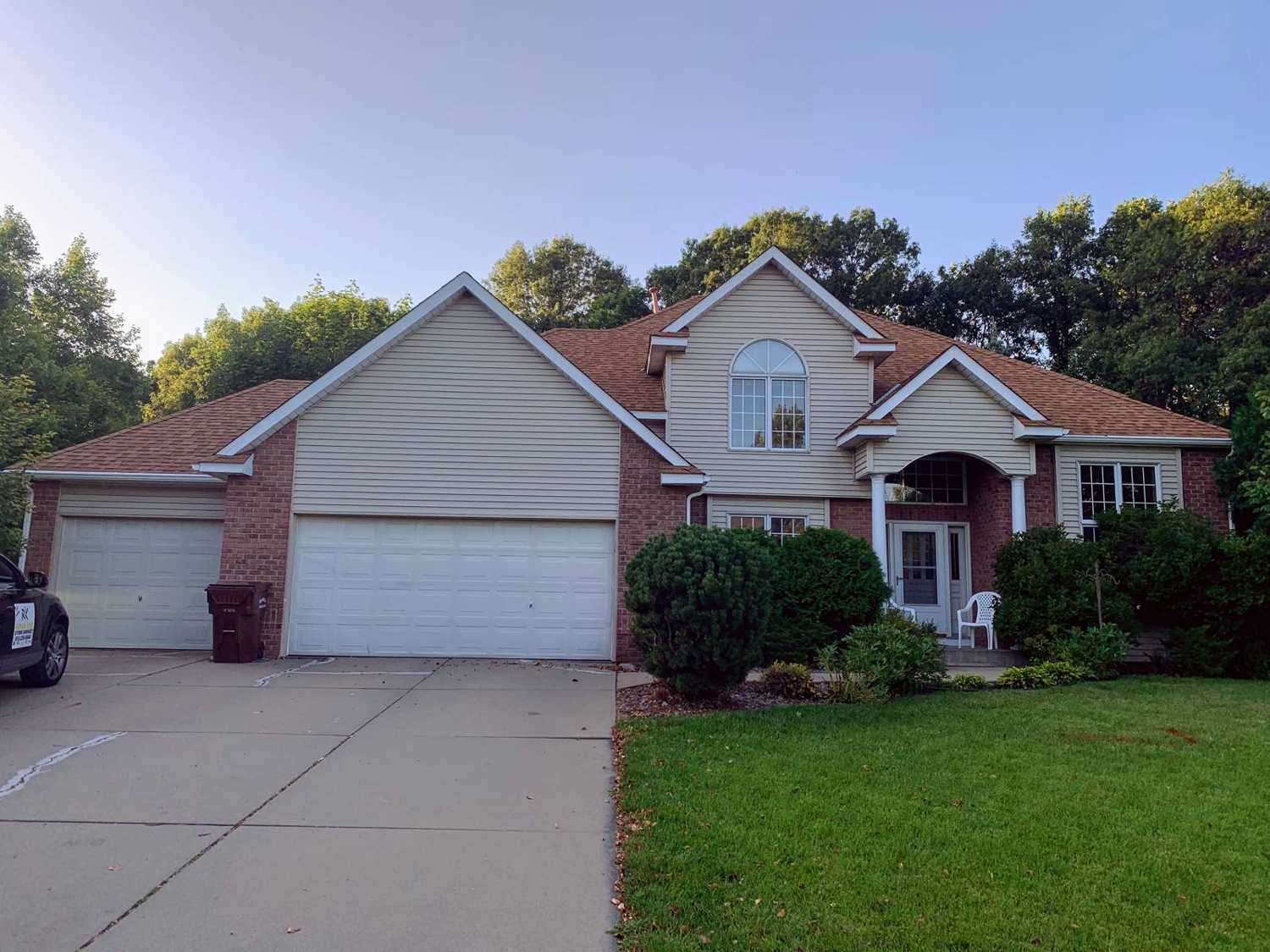
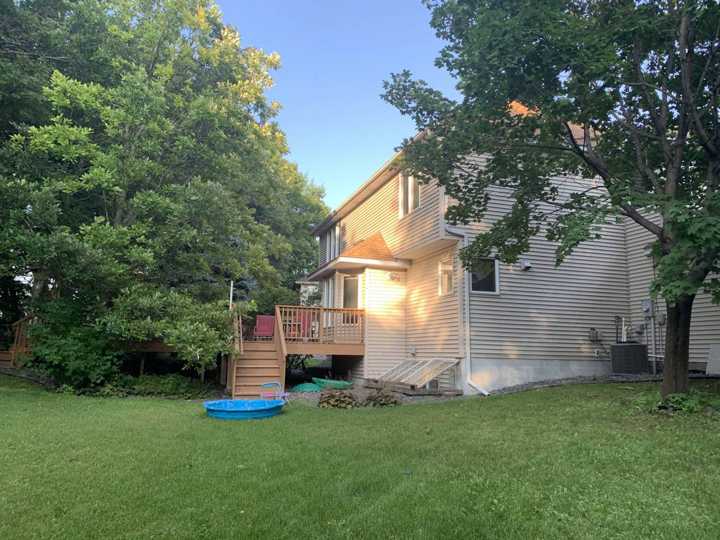
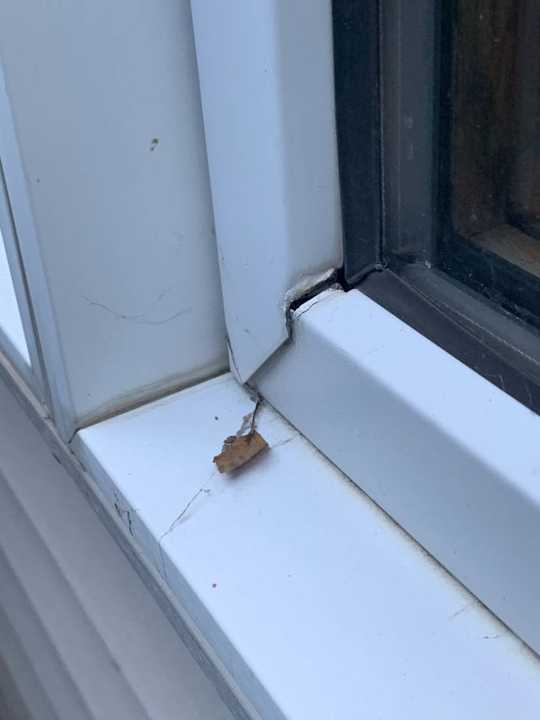
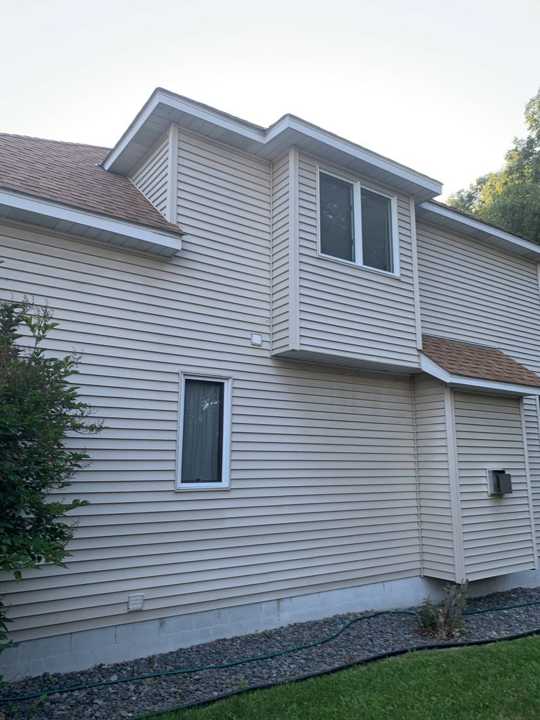
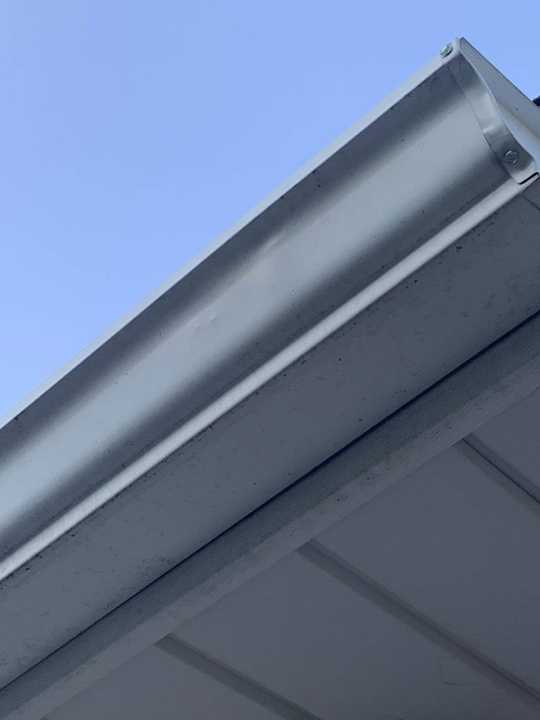
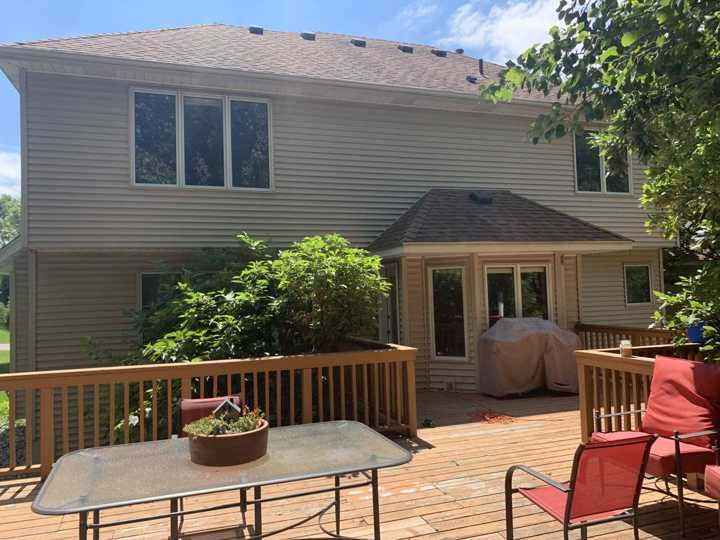
Houses from that era share a pattern. The roofs have several gables and valleys meeting over the garage and entry, and the walls are usually vinyl or hardboard lap siding with aluminum trim. When hail or wind comes through, it's rarely just the shingles. Siding faces split or dent, window frames crack at the corners, and gutters take hits. A roof-only inspection misses half the house.
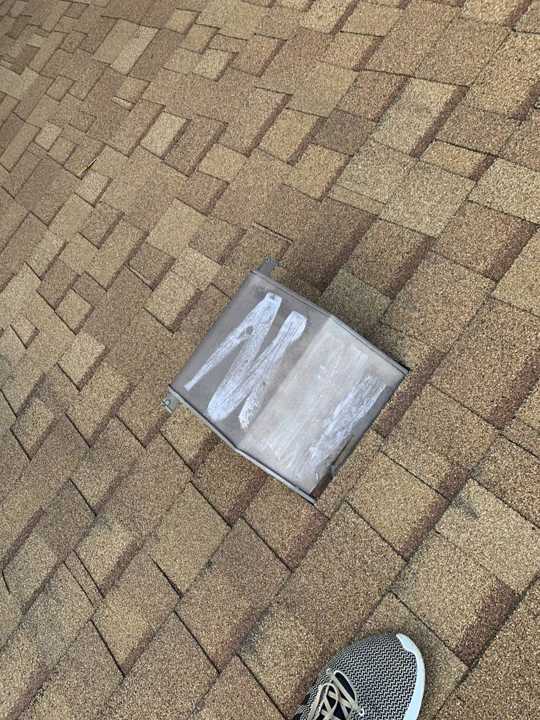
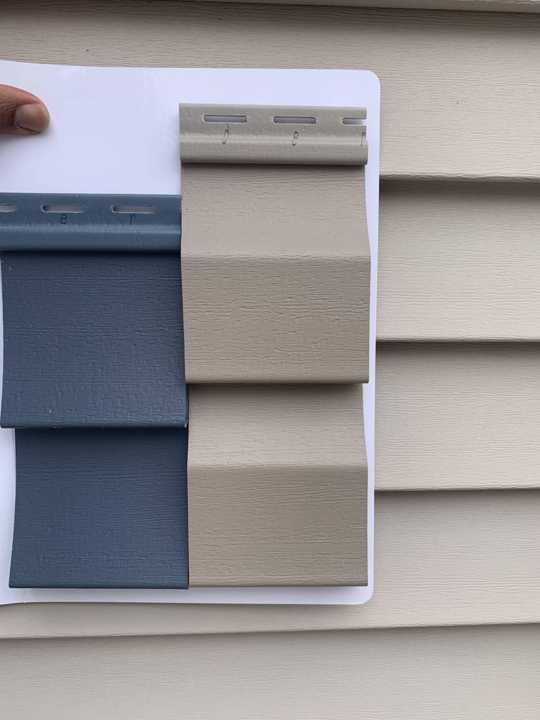
That's how our Plymouth job went. The August 2019 inspection covered the roof, box vents, gutters, siding and every window, including a split corner on a window frame. In March 2020 we held manufacturer siding samples against the old siding to match colors, and in July 2020 we measured every wall and window so the new siding would be ordered right.