Why Newport is differentWhat do Newport's Hastings Avenue buildings have under their shingles?
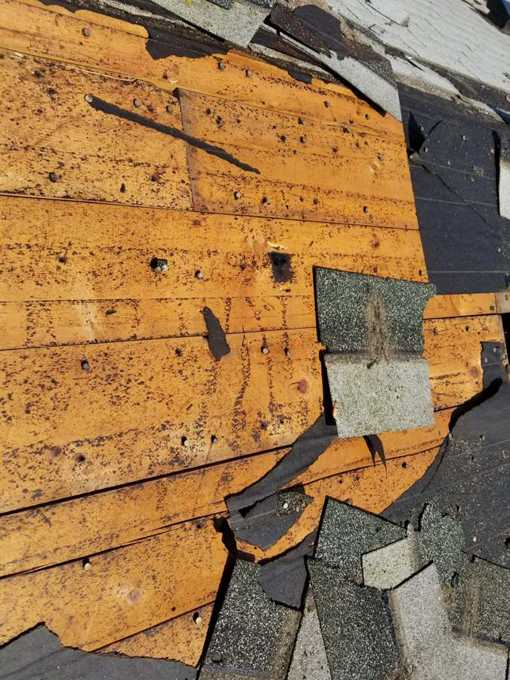
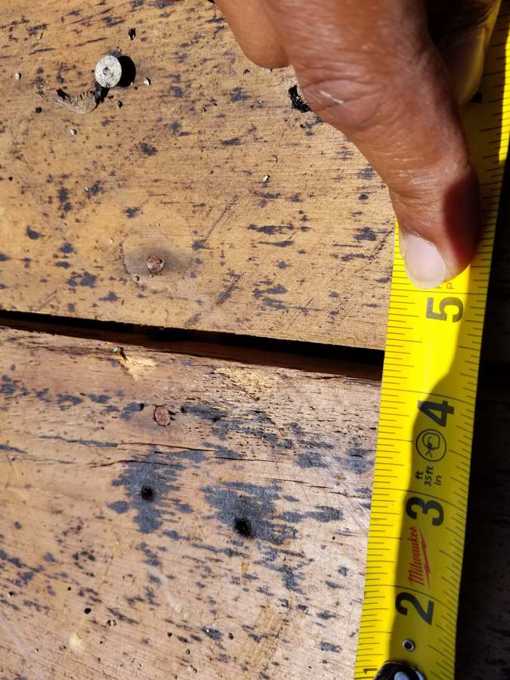
Often the original board decking. Hastings Avenue follows the first paved highway between St. Paul and Hastings, and the older buildings along it, like Red Rock Lodge at 1280 Hastings Ave, were built before plywood roof sheathing was the norm. When we tore off the lodge's shingles, the deck underneath was rows of old wood planks with gaps between them, so every gap was measured and photographed before new roofing went down.
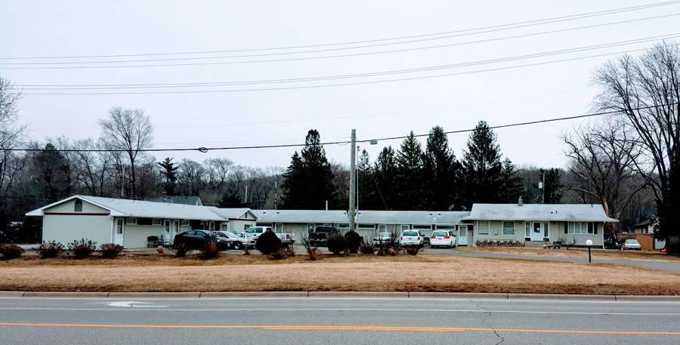
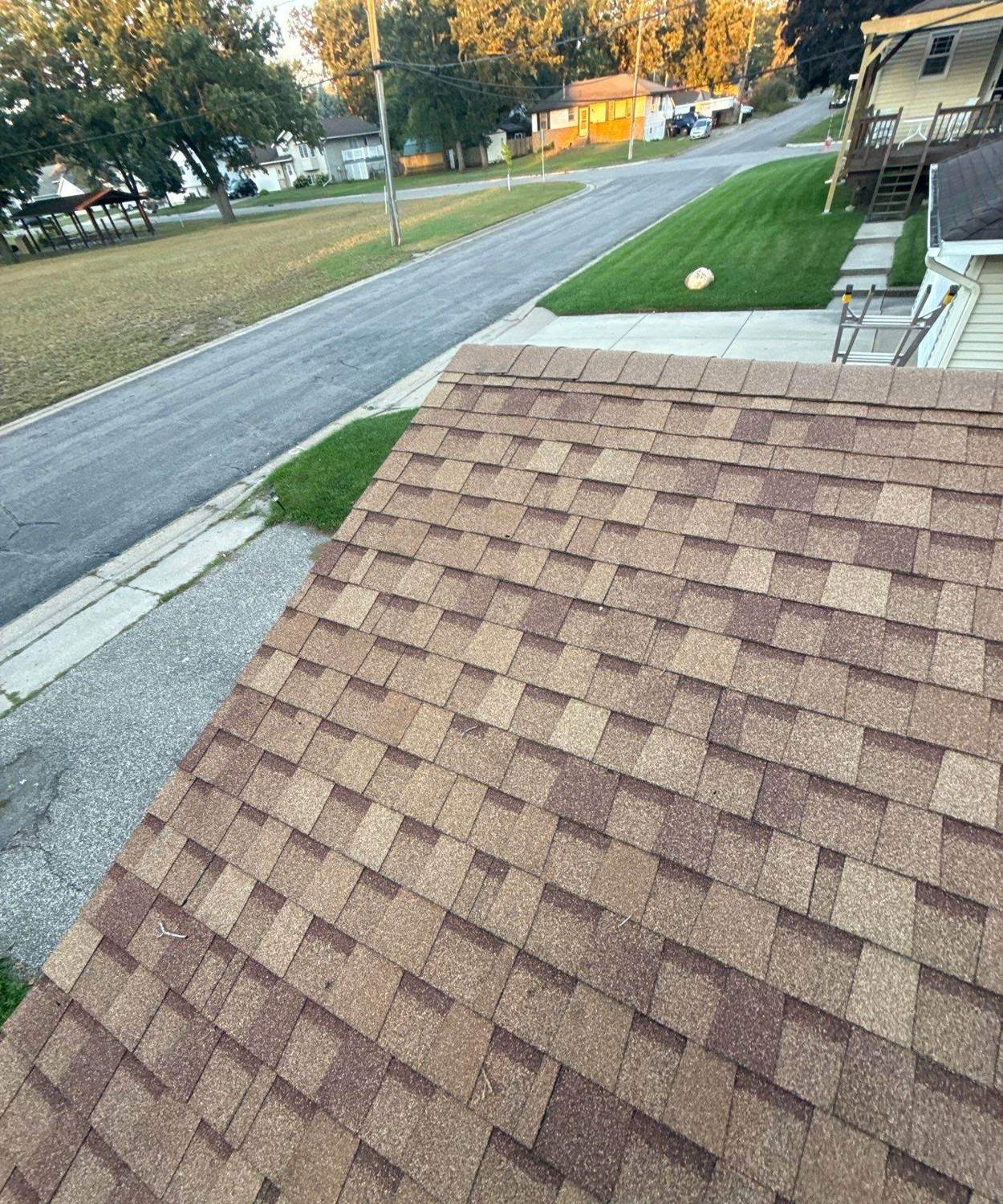
Hastings Avenue is Newport's main street for a reason. The road through town was paved with 18 feet of concrete in 1925 and first marked U.S. 61 in 1926. When the highway became a divided road in 1949, the old lanes were left as the service drive we now call Hastings Avenue, and the 2002 to 2004 freeway rebuild of U.S. 61/10 reconstructed it again. Motels, shops and houses grew up facing that road, and many still have the long, low-slope gable roofs of their era.
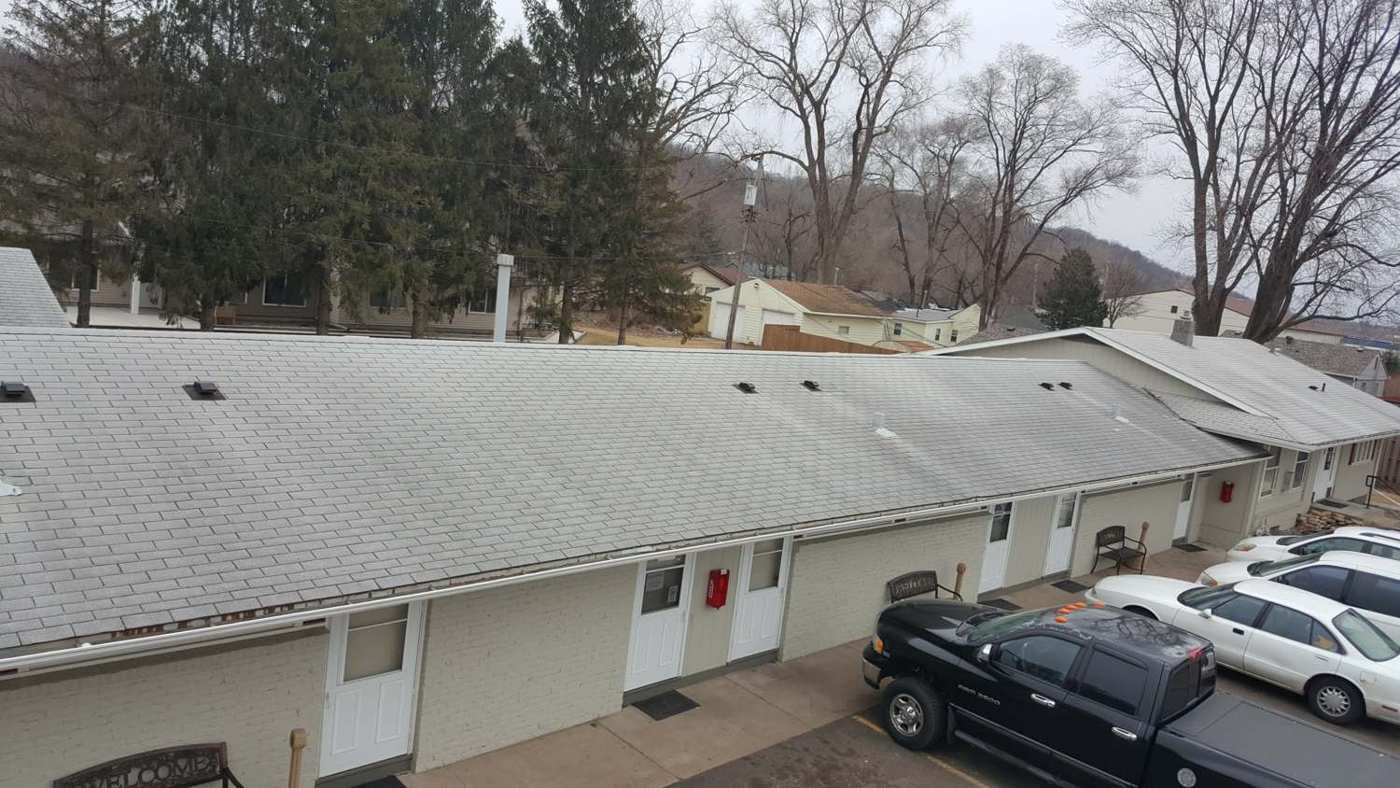
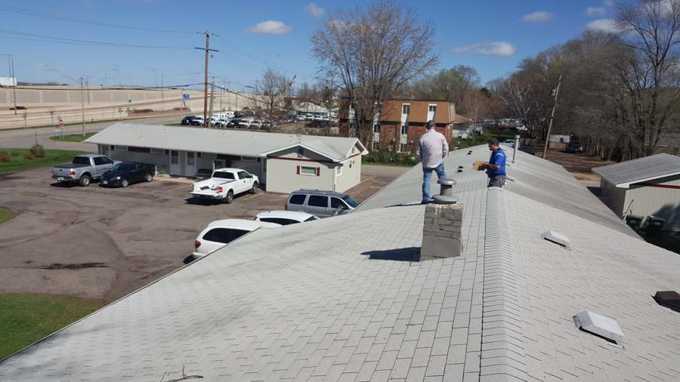
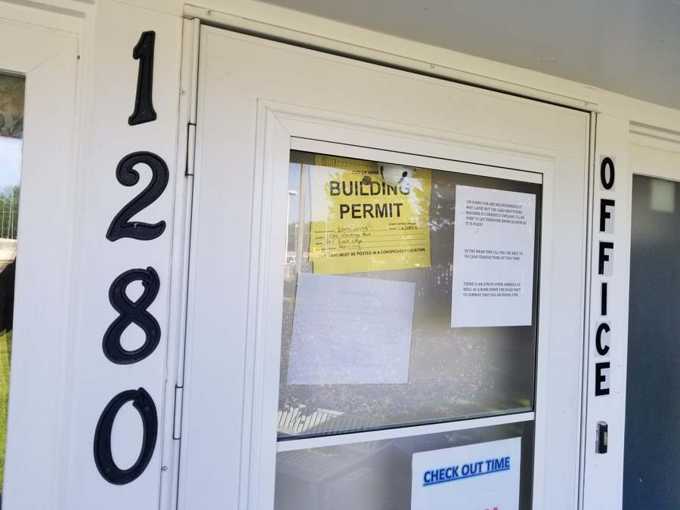
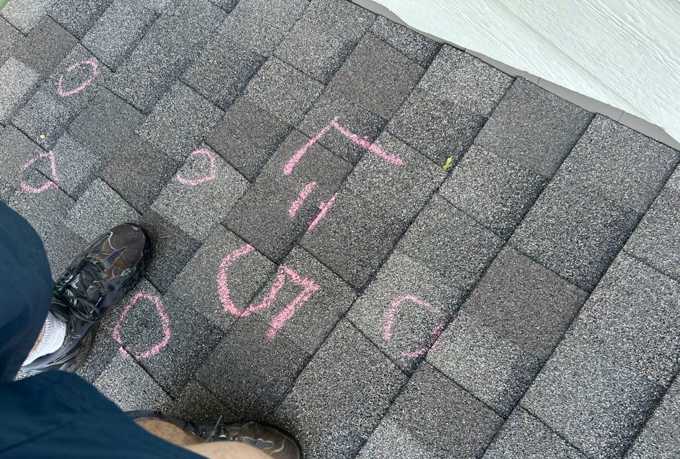
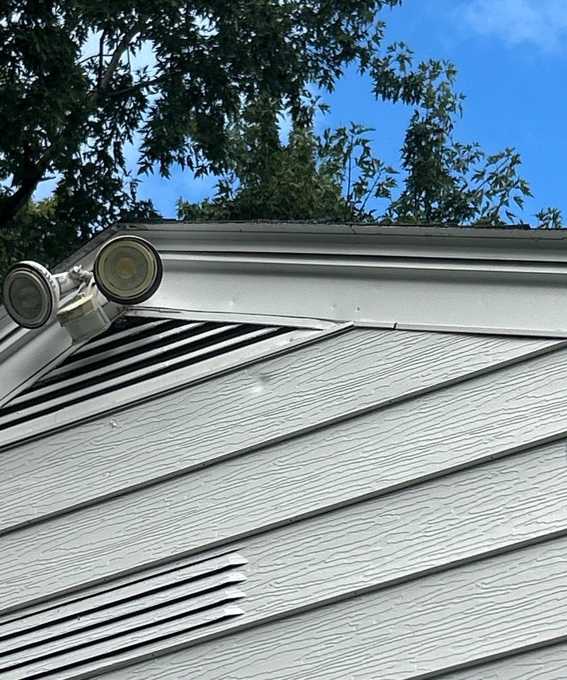
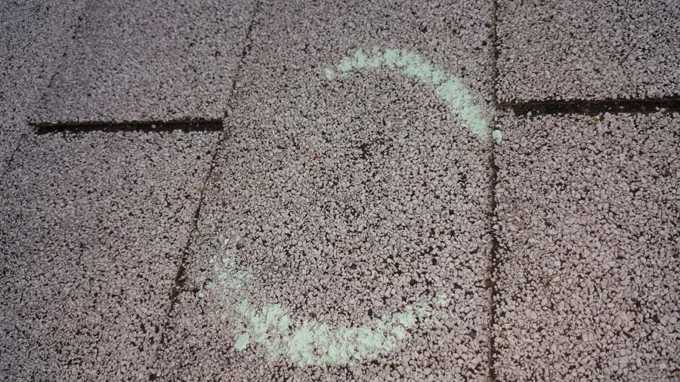
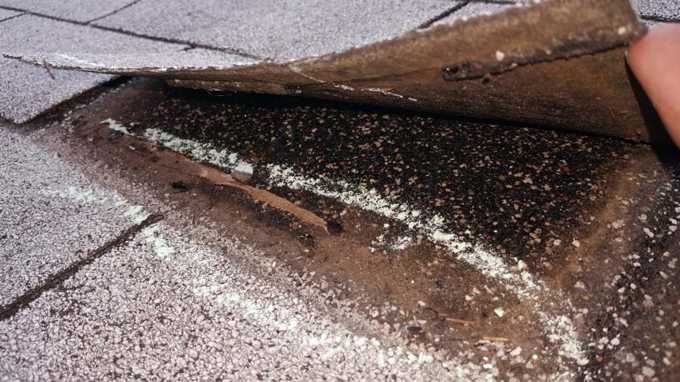
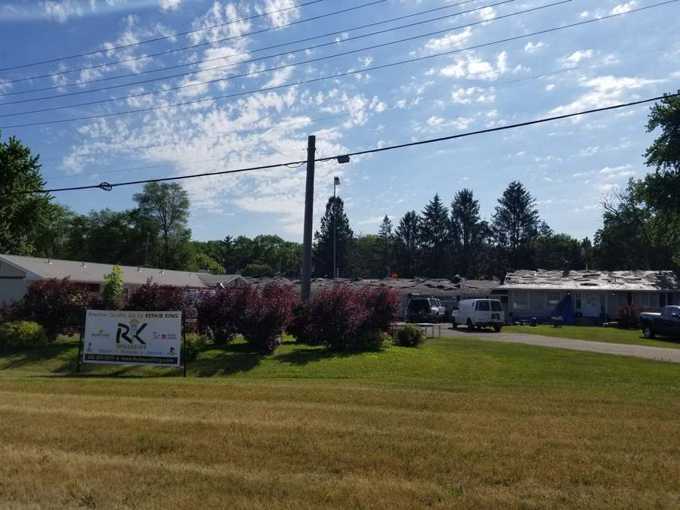
Red Rock Lodge is one of them: a row of single-story motel buildings with one long ridge after another. Our album follows the job from a winter hail inspection, with chalk-circled hits measured with a tape and tabs pulled back to show torn seal strips, to a spring roof walk of every building and a summer tear-off with the City of Newport building permit posted on the office door.
Under the old shingles we found board decking, not plywood. Minnesota's building codes call for asphalt shingles to be fastened to a solidly sheathed deck, so the width of every gap between those planks matters. Our crew laid a tape across the boards and photographed the old nail holes and gaps, so the decking decision rested on what was actually on the roof. We expect the same on older homes along Newport's original grid streets.