Why Minnetonka is differentWhy do roofs in Minnetonka need a closer look than most suburbs?
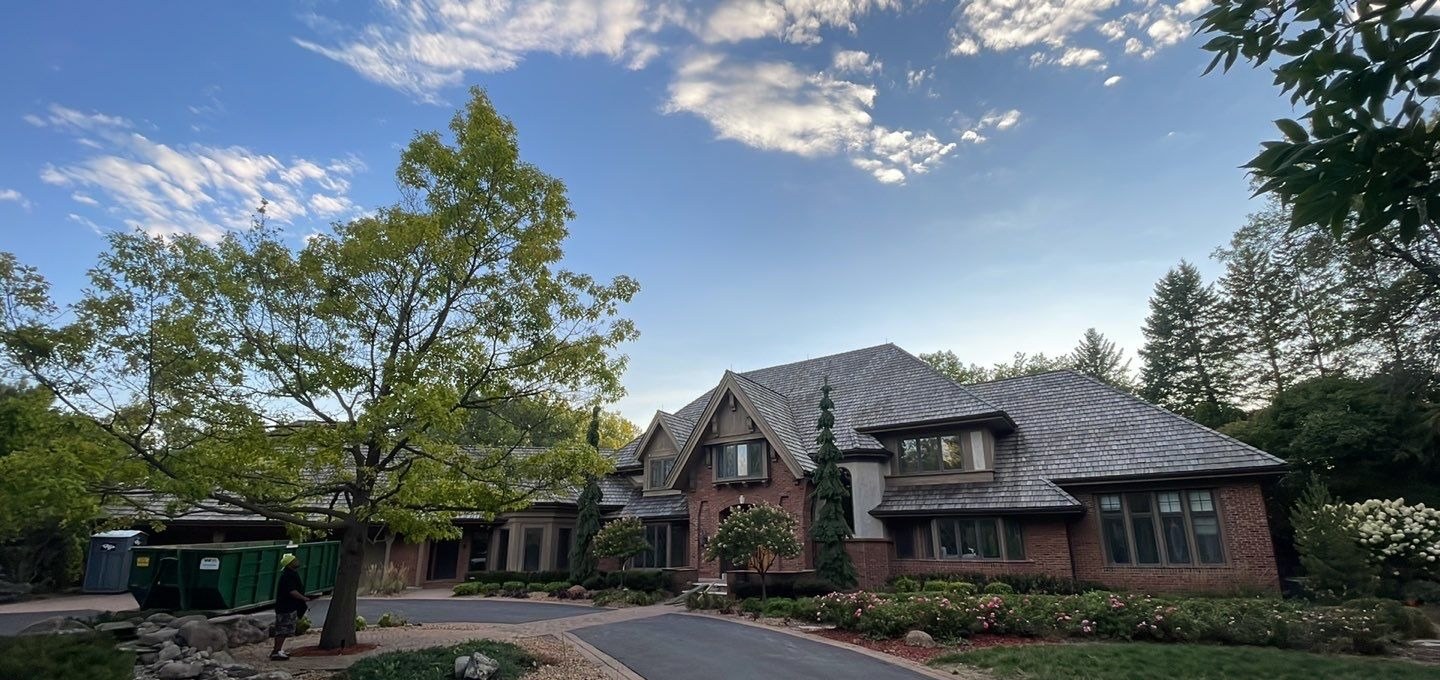
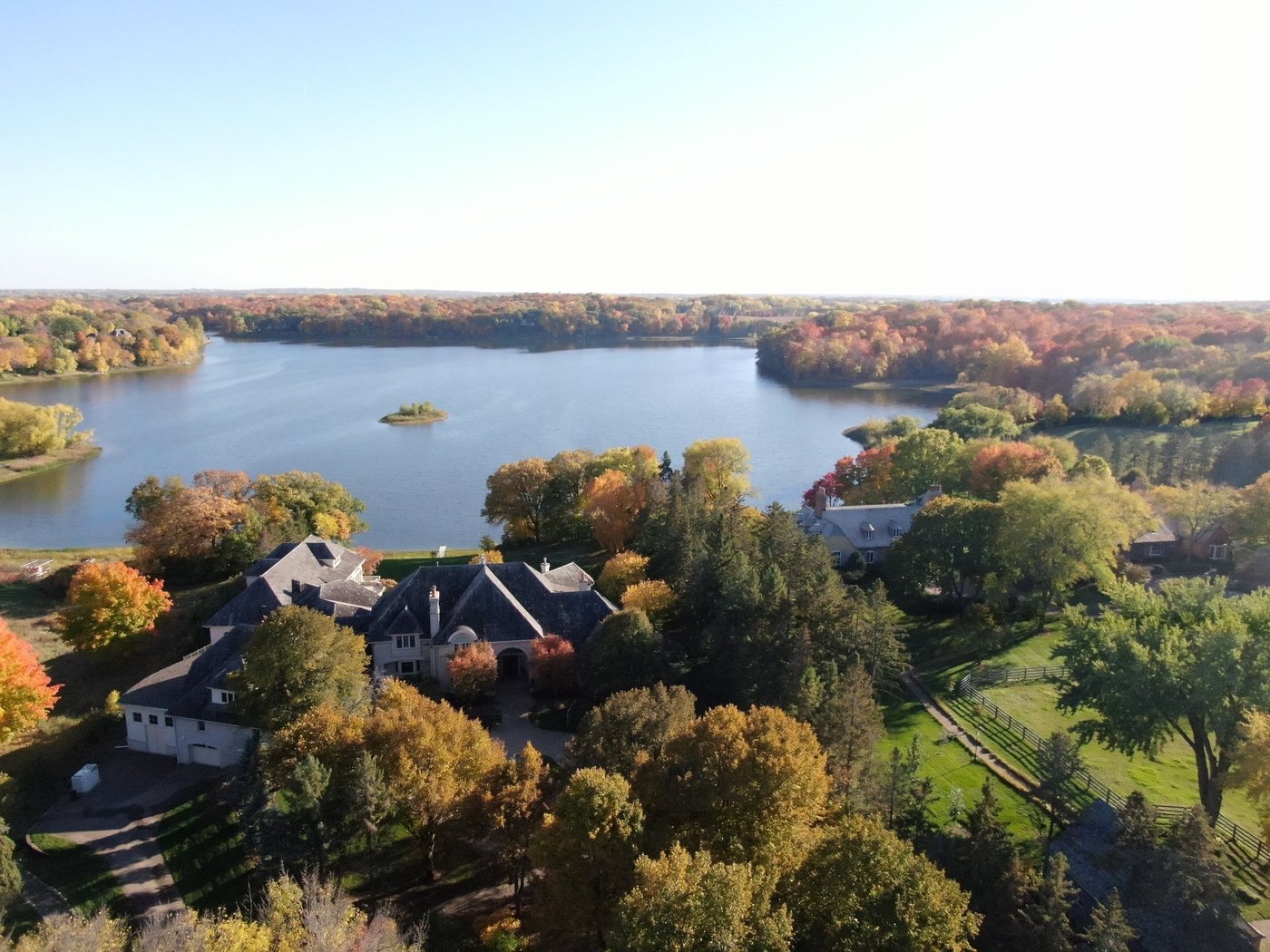
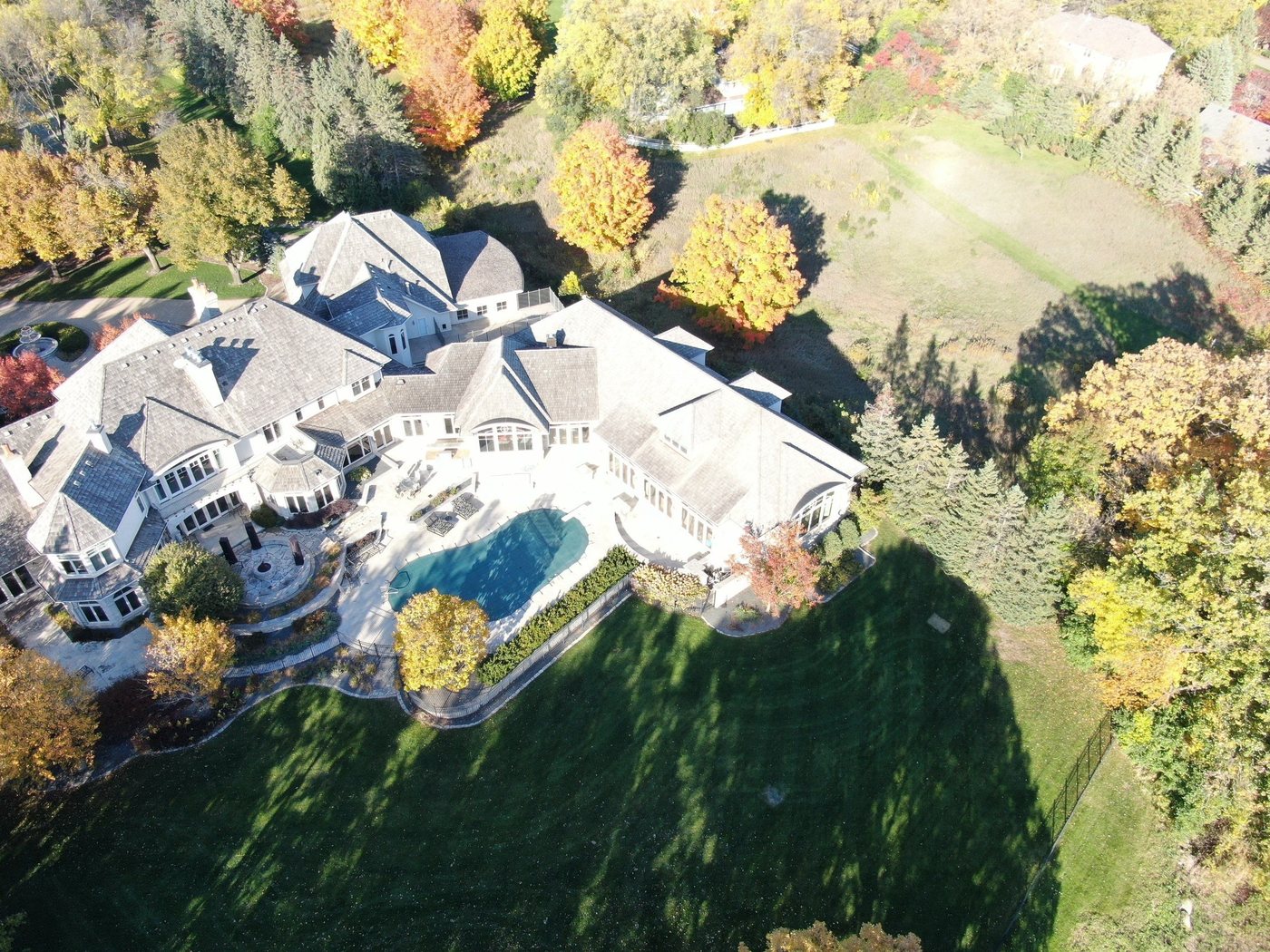
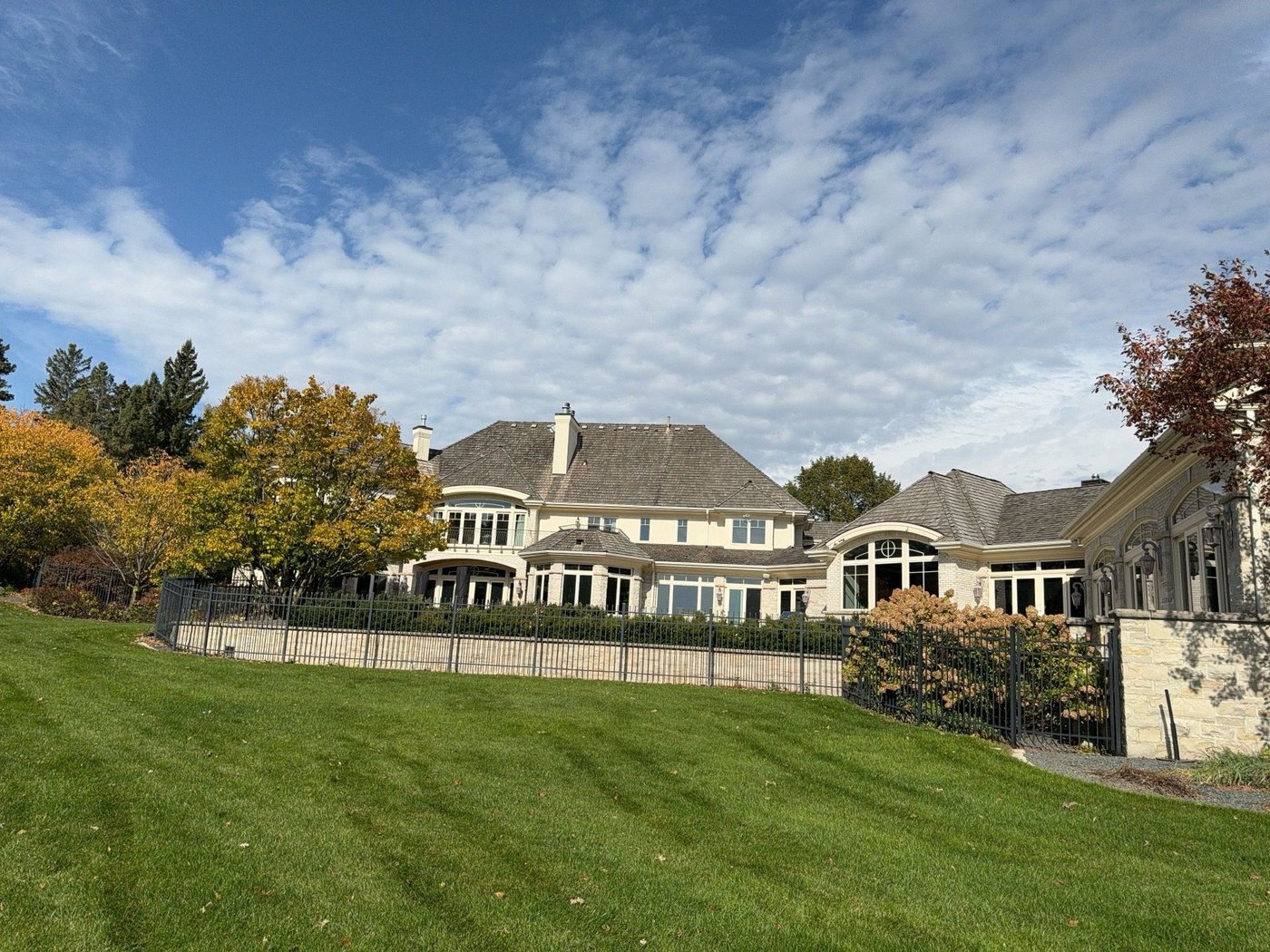
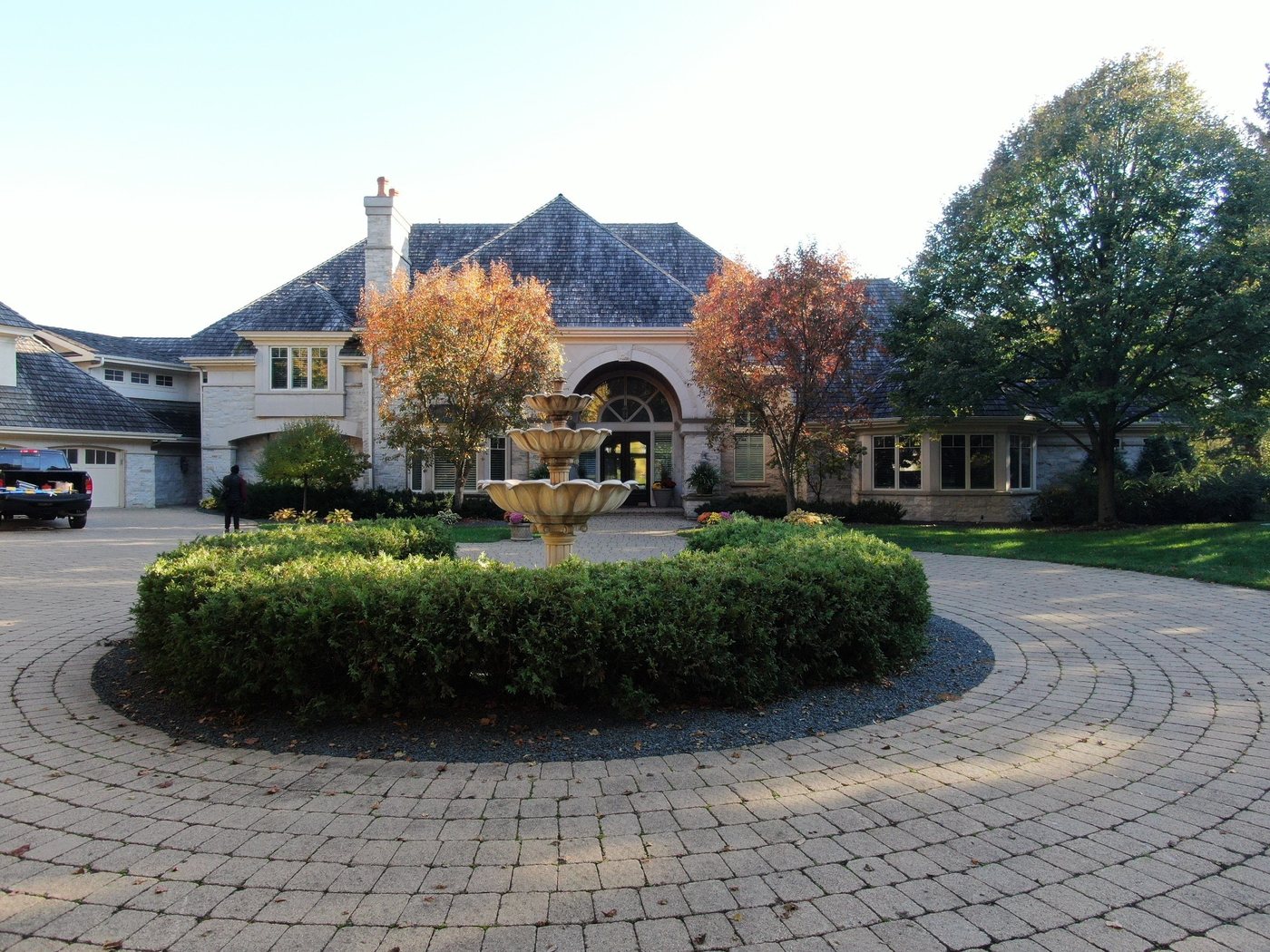
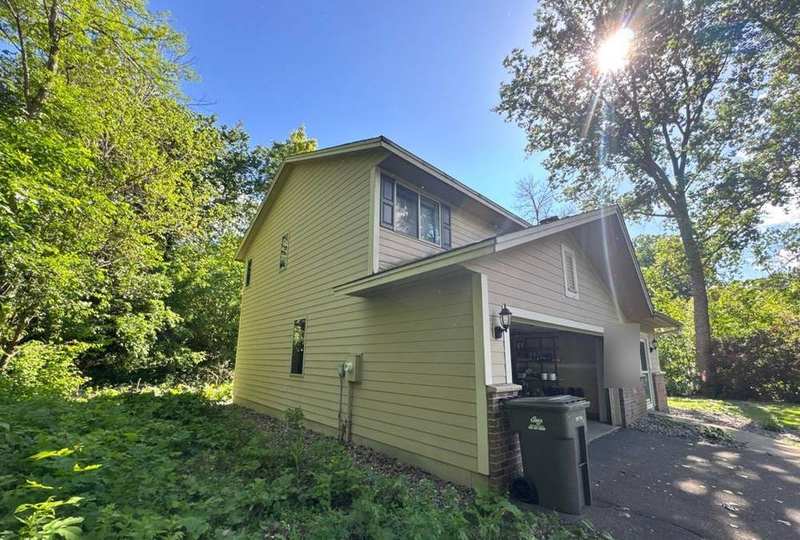
Because most Minnetonka roofs sit under big trees. About half of the city's land is covered by tree canopy, the highest share among similar-sized metro cities, and homes spread across half-acre lots among 13 lakes and more than 800 wetlands. Shade, leaf litter and overhanging limbs hide hail hits and hold moisture on shingles, so a quick look from the driveway misses a lot.
The city calls its trees part of Minnetonka's identity: prized mature oaks and maple-basswood forests, a tree protection ordinance written into the zoning code in 2008, and forestry staff who track oak wilt, Dutch elm disease and emerald ash borer, which was confirmed in southeast Minnetonka in May 2019. Dying ash and oak limbs over a roof are a storm risk, and we photograph any limb strikes we find.
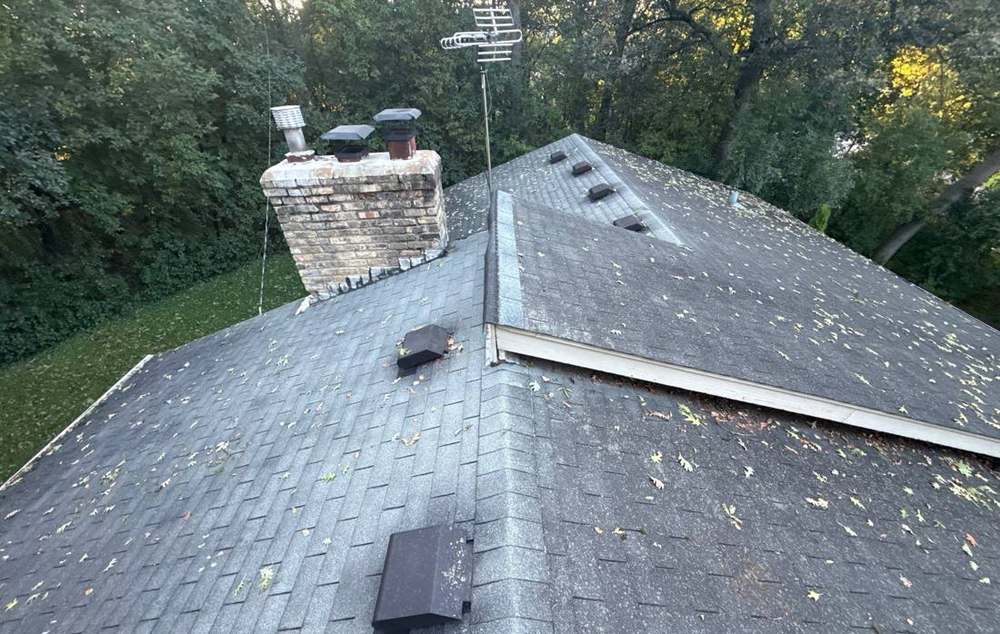
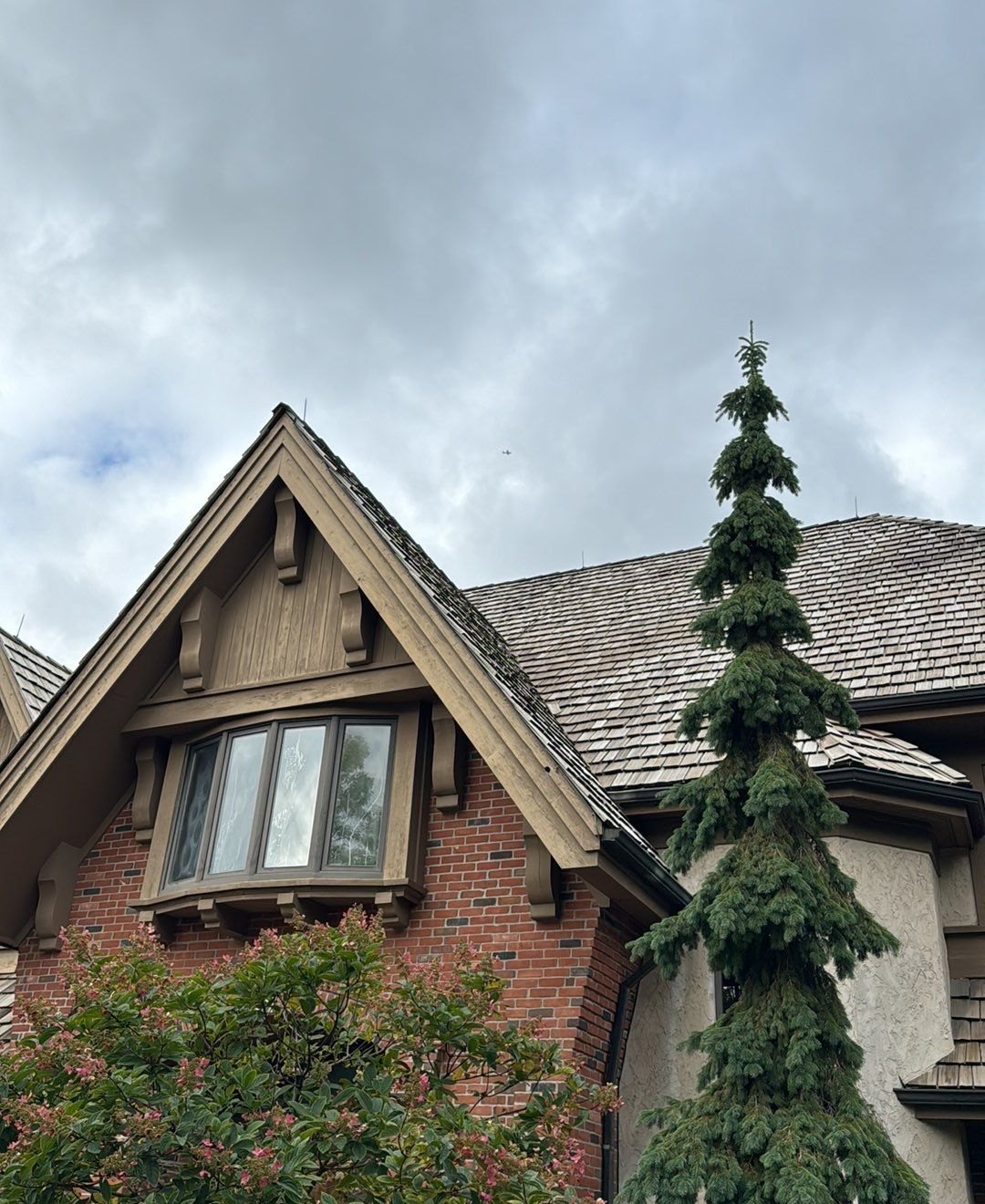
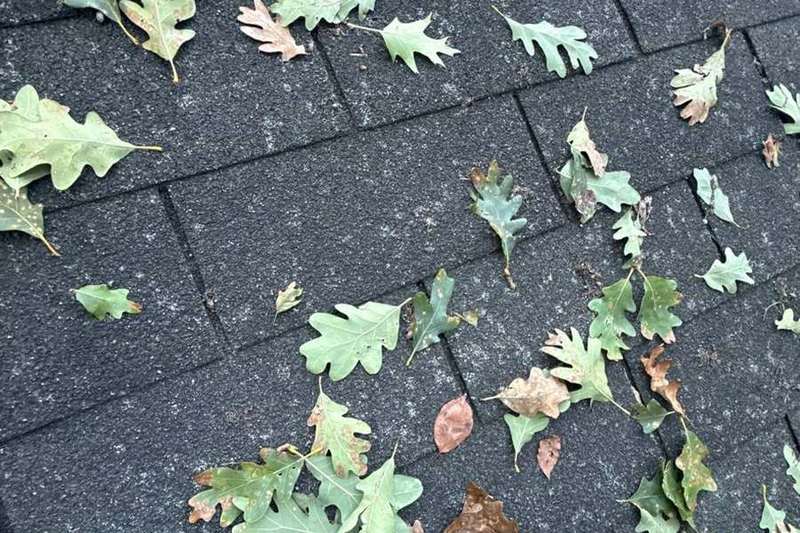
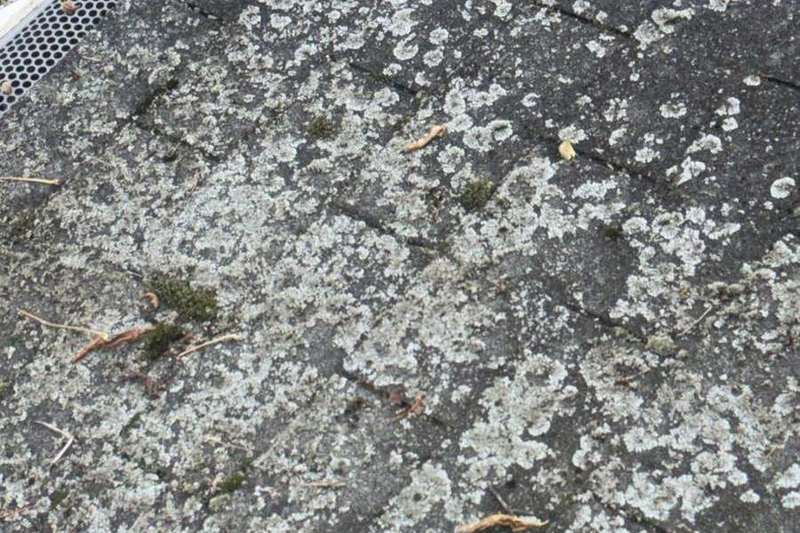
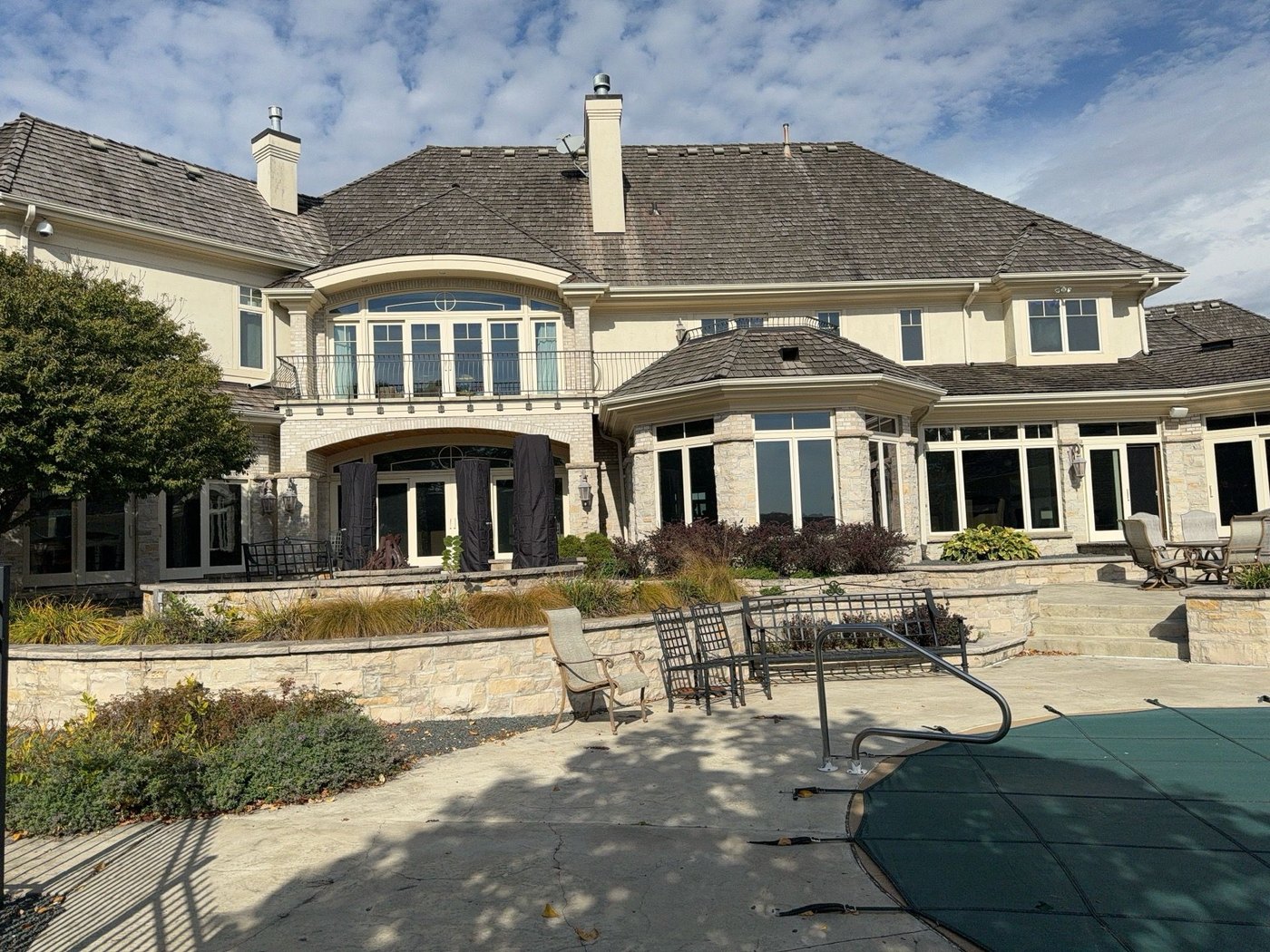
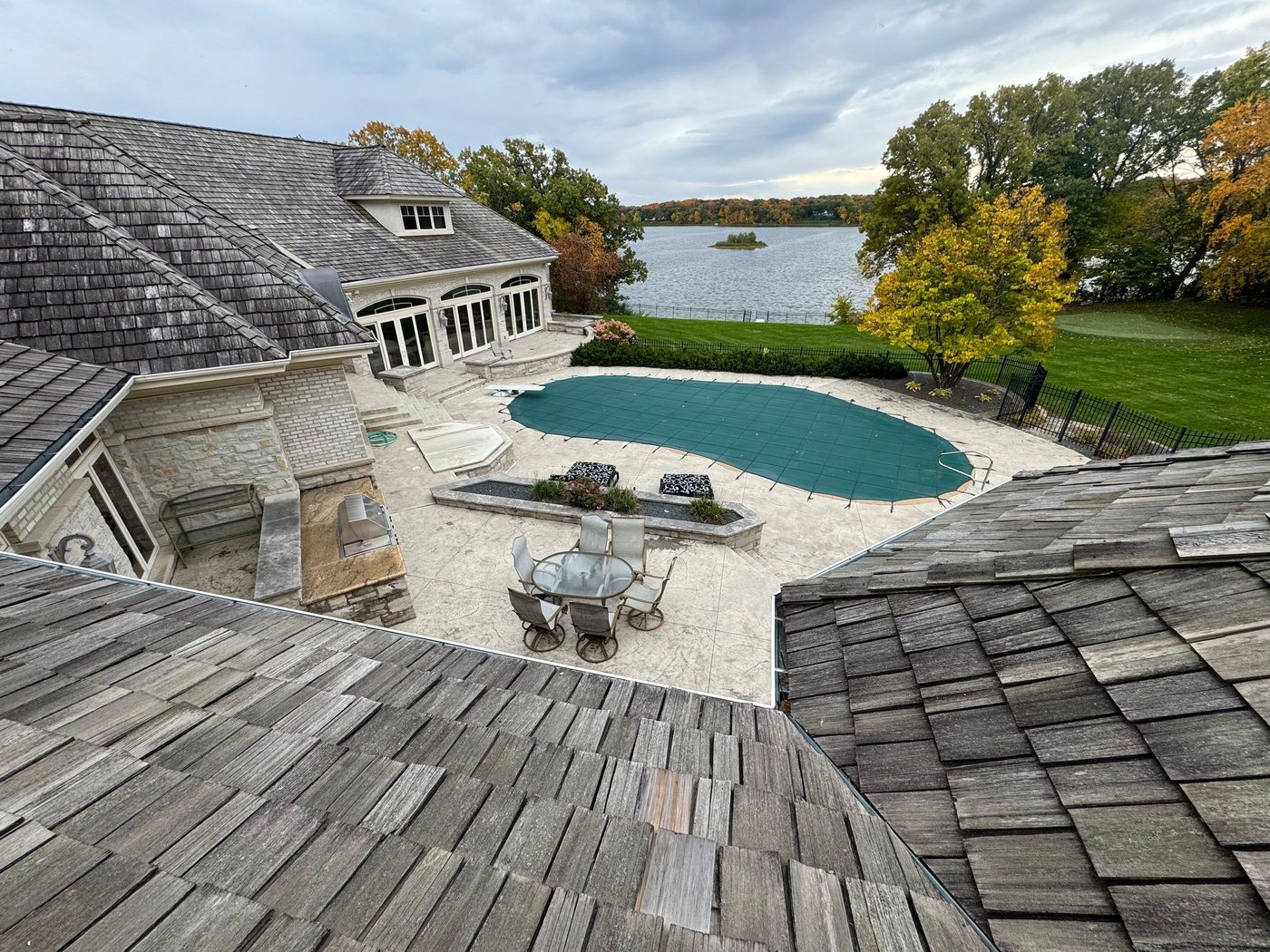
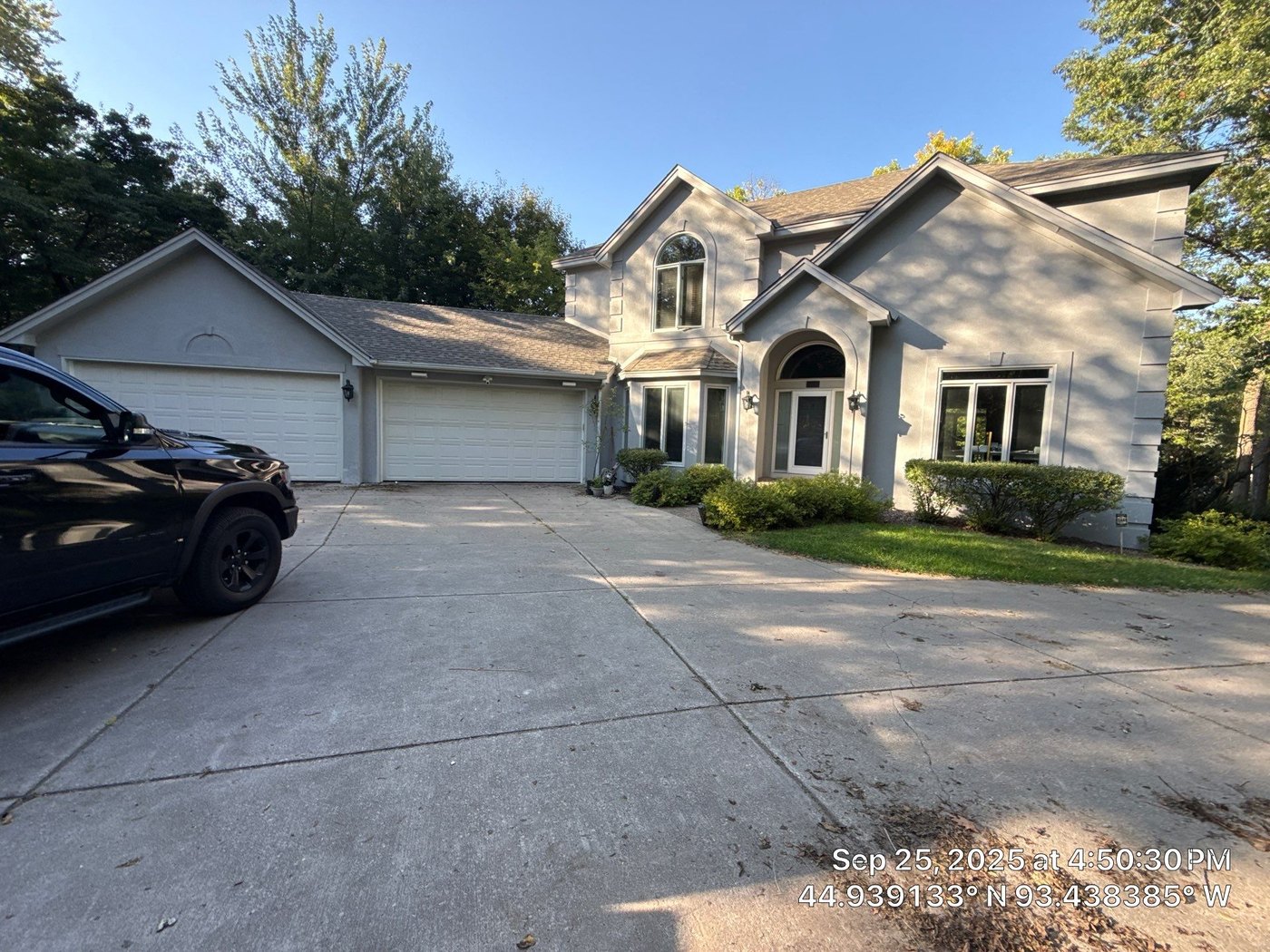
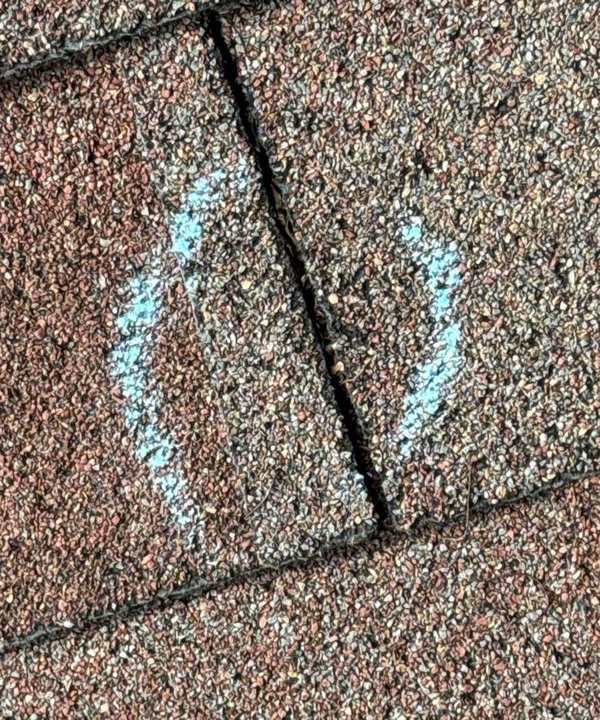
Our own job photos show the same pattern. On September 22, 2025, the day after 2-inch hail was reported near Minnetonka, a roof on Cardinal Road was covered in freshly torn oak leaves and twigs that we had to look past to find hail marks. A month later, on the same street, shaded slopes were patched with lichen and moss, which hold water against the shingles and hide granule loss.
Water is the other half of the story. Gray's Bay, where Minnehaha Creek leaves Lake Minnetonka, is inside city limits, and damp, shaded lots dry slowly. That makes attic ventilation, ice-and-water barrier at the eaves and clean gutters matter more here. The city itself asks homeowners to point downspouts toward lawns and plantings rather than driveways, and we route downspouts that way when gutters are replaced.