Why Hugo is differentHugo's roofs are young. Why do they still need a close look after a storm?
Most Hugo homes were built after 2000, but a 20-year-old shingle roof is at the age where hail bruises and wind-lifted tabs start turning into leaks. Hugo also knows what severe weather can do: the National Weather Service rated the May 25, 2008 tornado that crossed the city an EF-3, and official counts list 27 homes destroyed and 794 affected. A dated inspection after each storm is the simplest way to know where your roof stands.
The 2008 tornado touched down on the east shore of Peltier Lake in Lino Lakes at 4:55 p.m., crossed I-35E, and did its worst damage in a subdivision about two miles north of downtown Hugo, with estimated winds of 136 to 165 mph. It lifted near Irish Avenue and 140th Street after a six-mile path. Homes rebuilt after that storm are now close to 20 years old themselves.
The bigger story is growth. Census data shows 2,552 of Hugo's 6,671 homes were built from 2000 to 2009 and another 1,582 since 2010. Hugo also has 1,834 attached townhomes, more than a quarter of its housing, so a lot of roof decisions go through an association. On a townhome building, one hail report can mean one roof plan for several owners, and the board wants a written record of every slope.
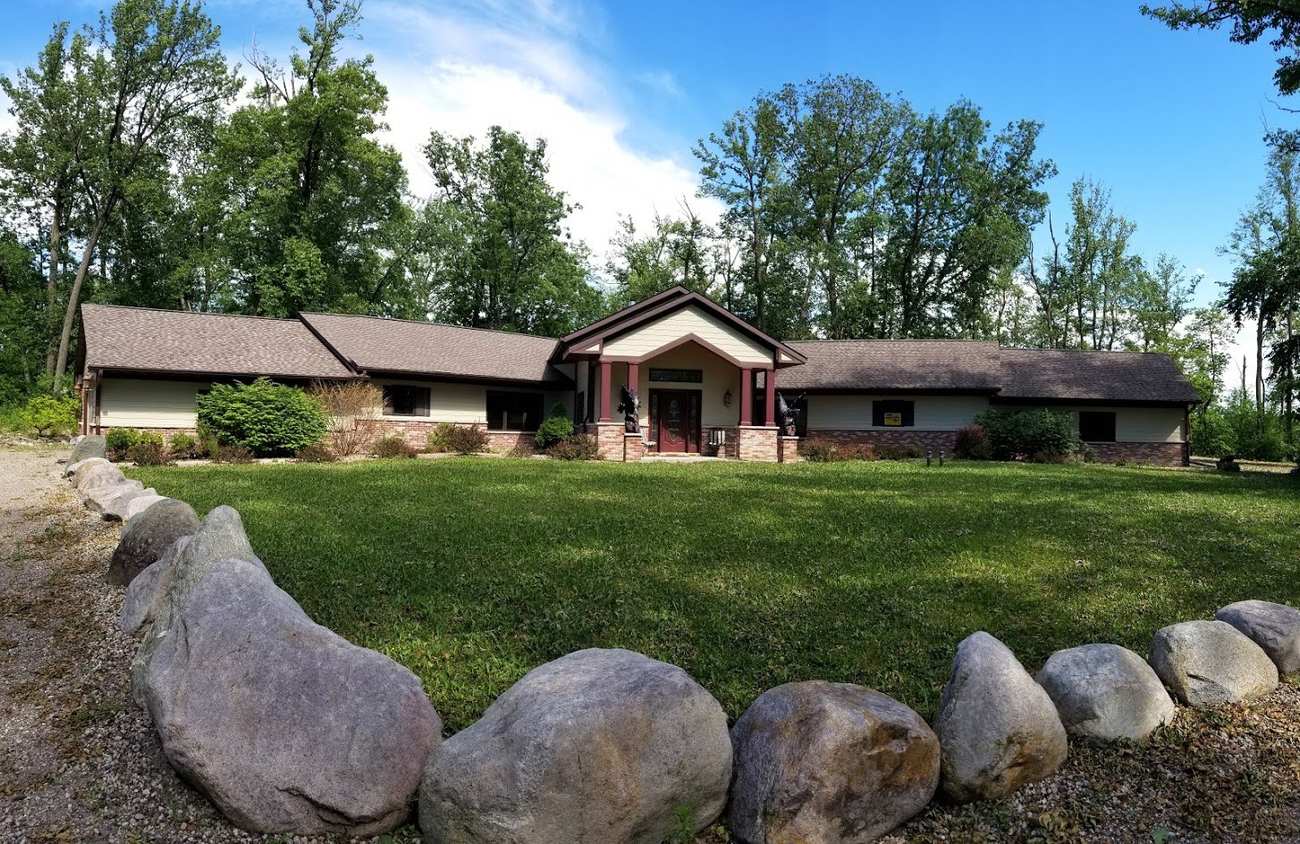
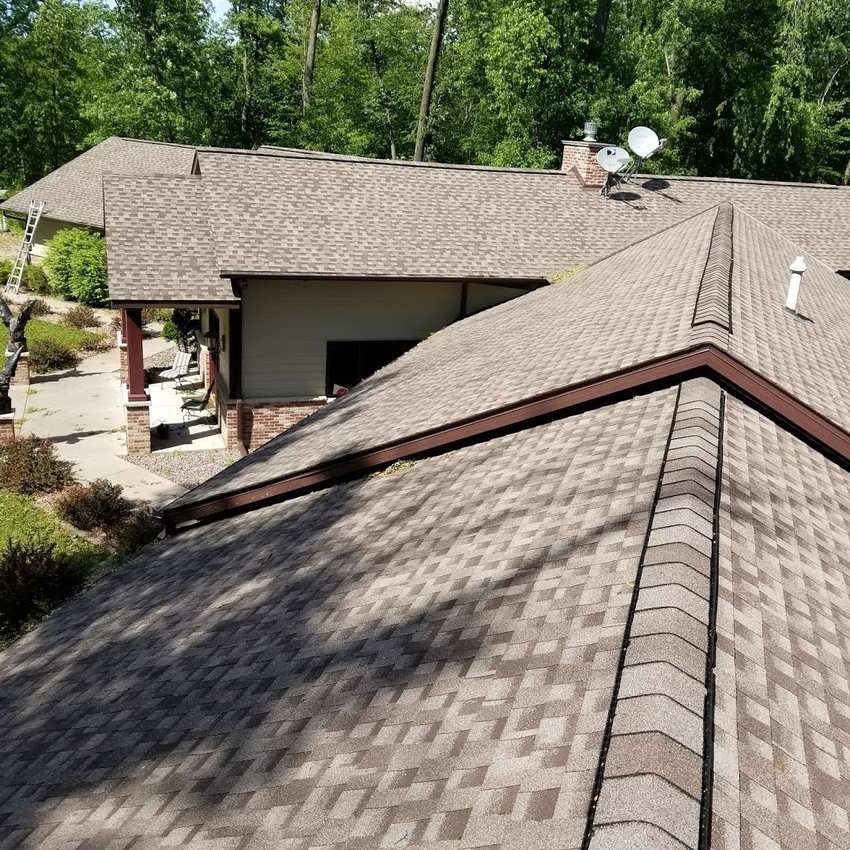
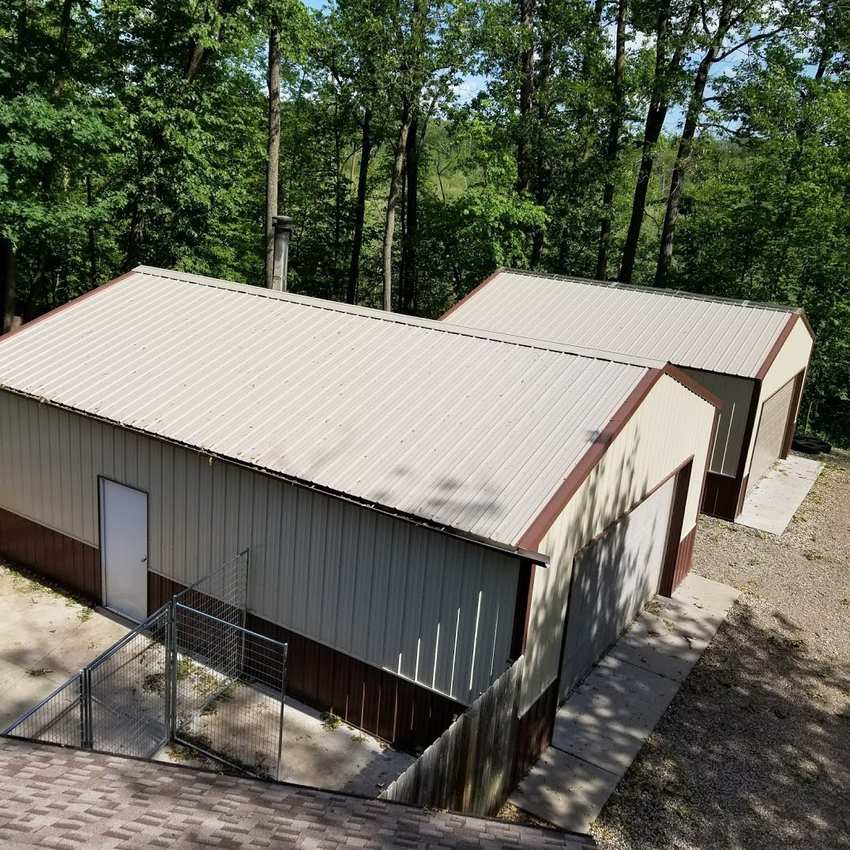
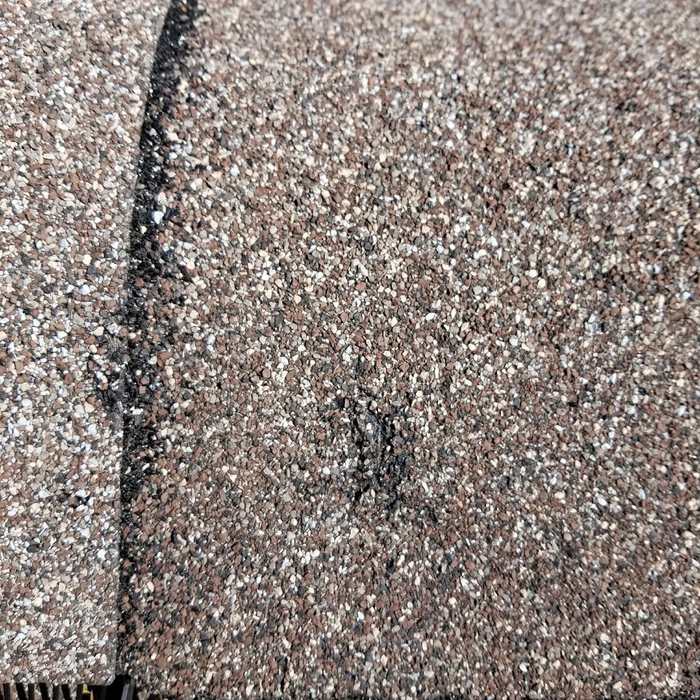
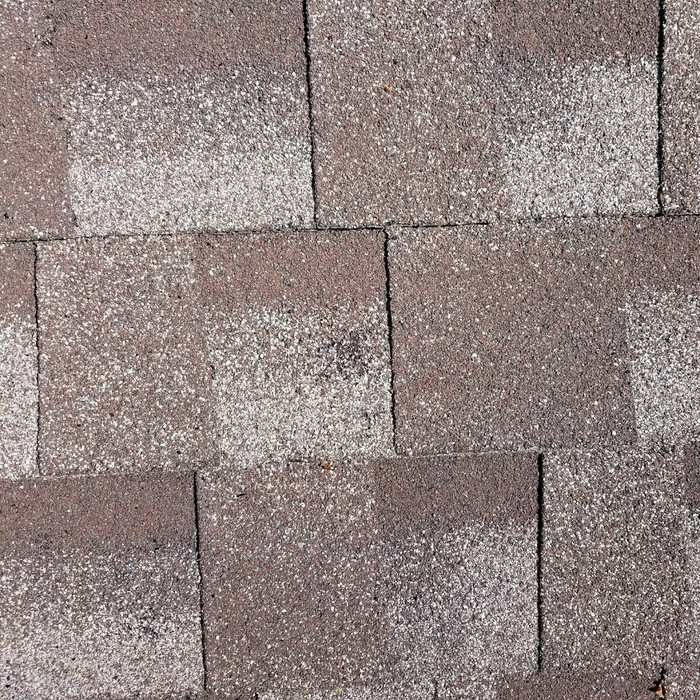
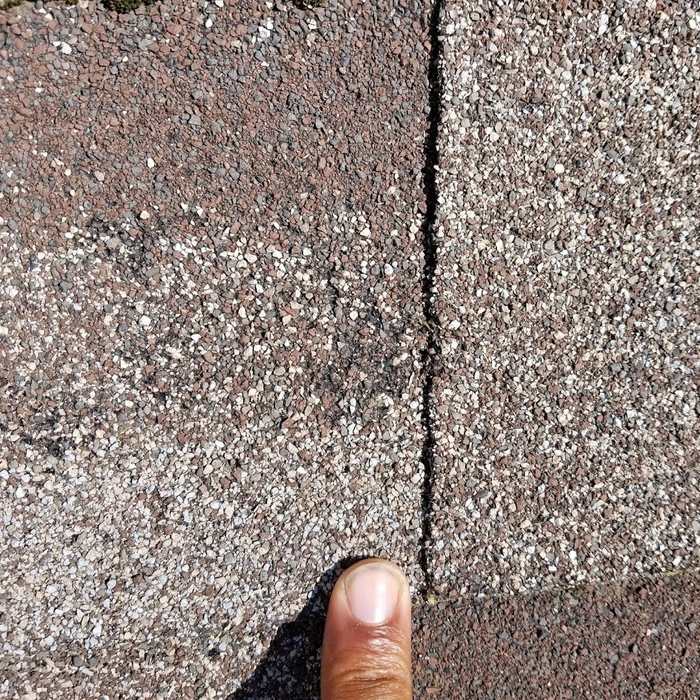
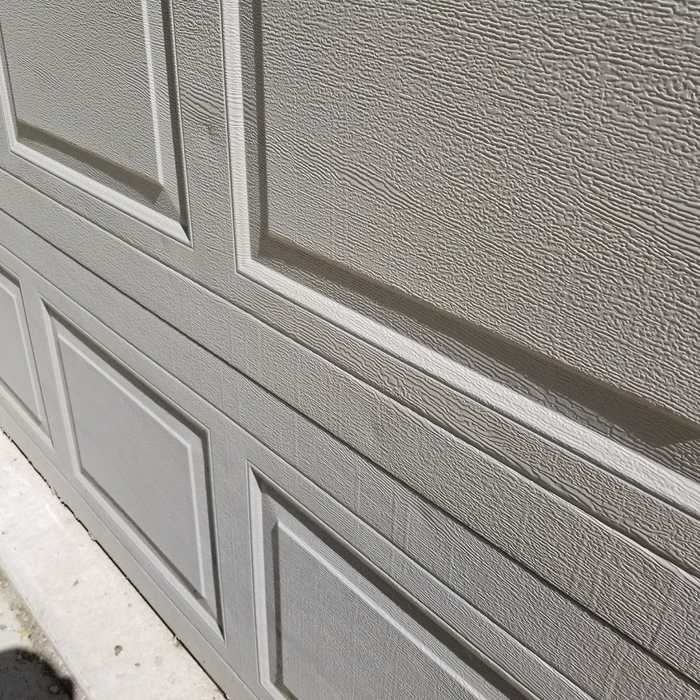
Then there's the country side of Hugo: wooded acreages around Oneka Lake and Rice Lake with long ranch roofs, detached garages and steel pole buildings. On the Hugo acreage in our photos we checked the shingles, the windows, the garage door and the metal-roofed outbuildings, because hail doesn't stop at the house.