Why Hinckley is differentWhat's under the shingles on an older Hinckley home?
Often more than one roof. Hinckley's owner-occupied homes have a median build year of 1952, and on one Hinckley house our crew tore off several layers of asphalt shingles with the original cedar shakes underneath. Minnesota's residential code (IRC R908.3.1.1, adopted through Minnesota Rules chapter 1309) doesn't allow a new roof over two or more existing roof coverings, so a house like that needs a full tear-off down to the deck.
Hinckley's building history restarts on September 1, 1894. That afternoon the Great Hinckley Fire burned about a quarter-million acres in roughly four hours and leveled the town; the official death toll was 418. The railroad depot that now houses the Hinckley Fire Museum was rebuilt that winter to the plans of the one that burned. Nearly everything else in town went up after the fire, and on some older houses, new roofs went right on top of the old ones.
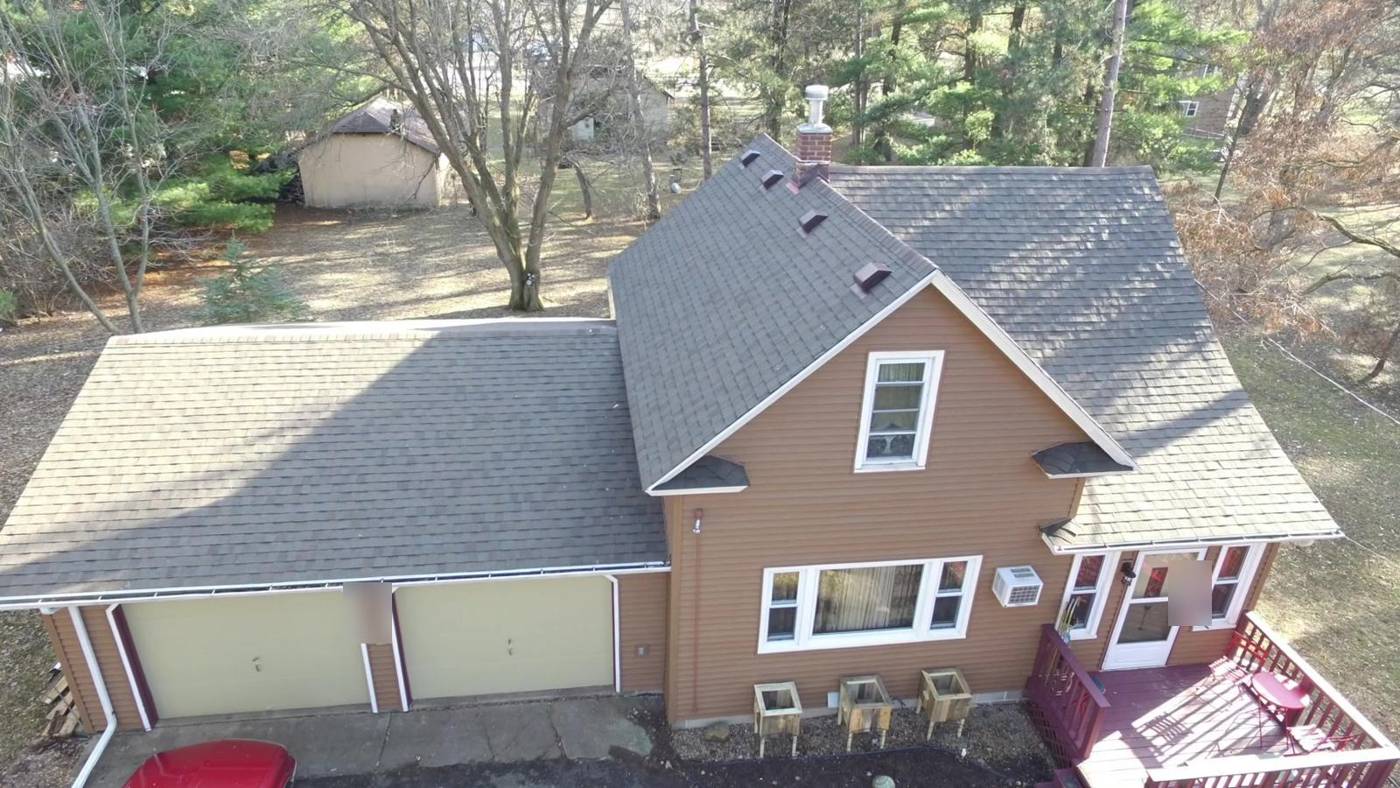
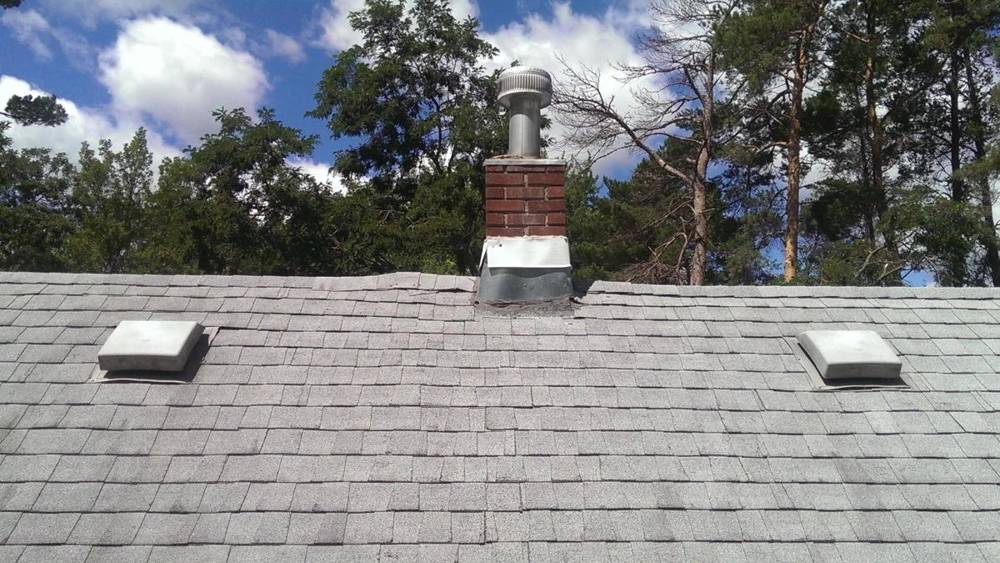
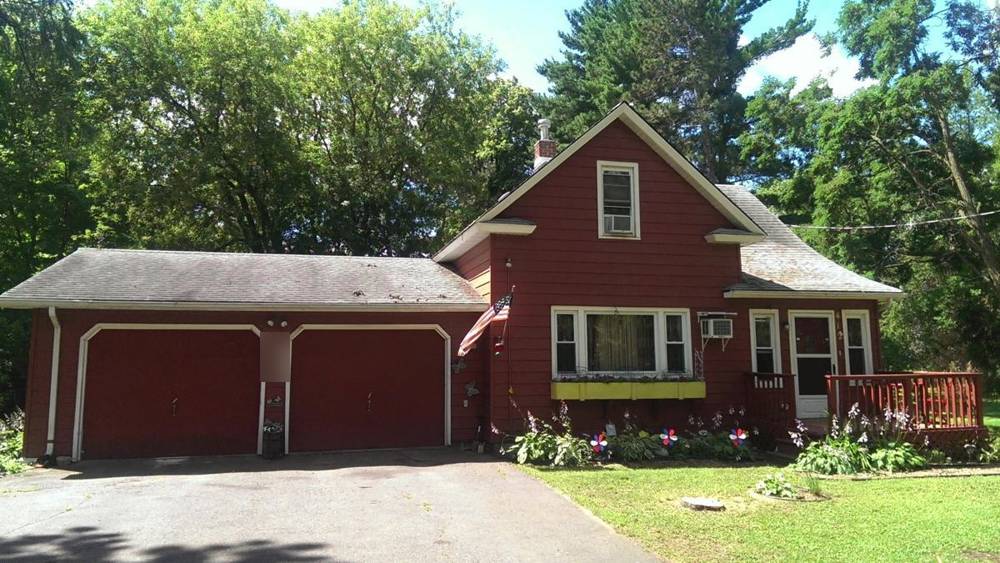
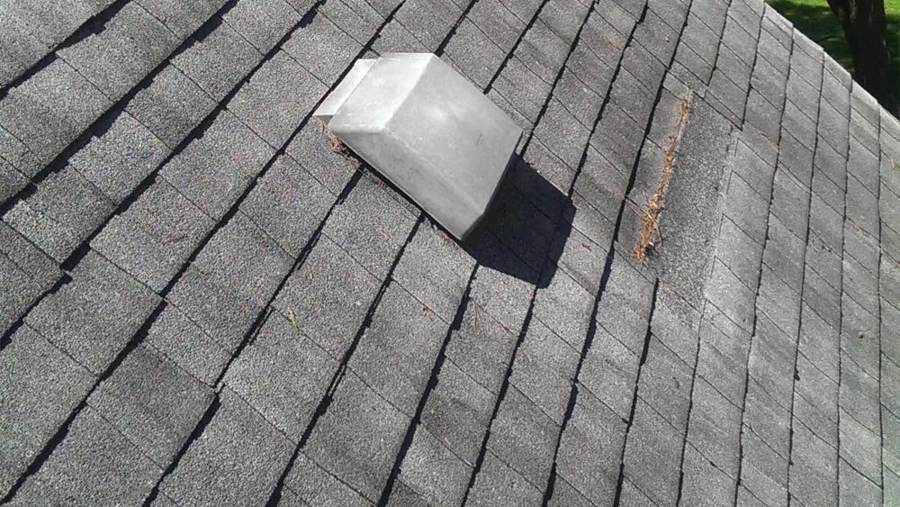
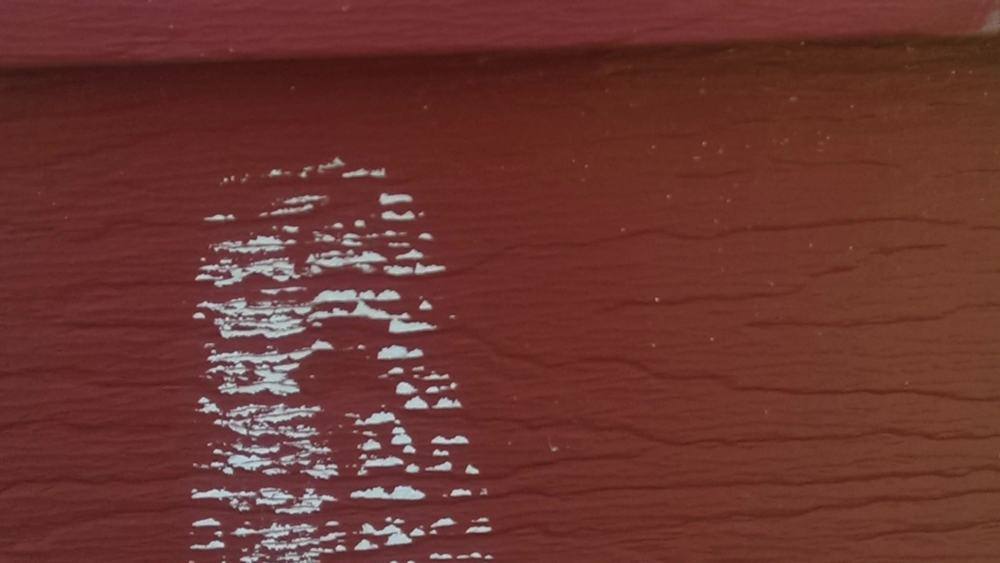
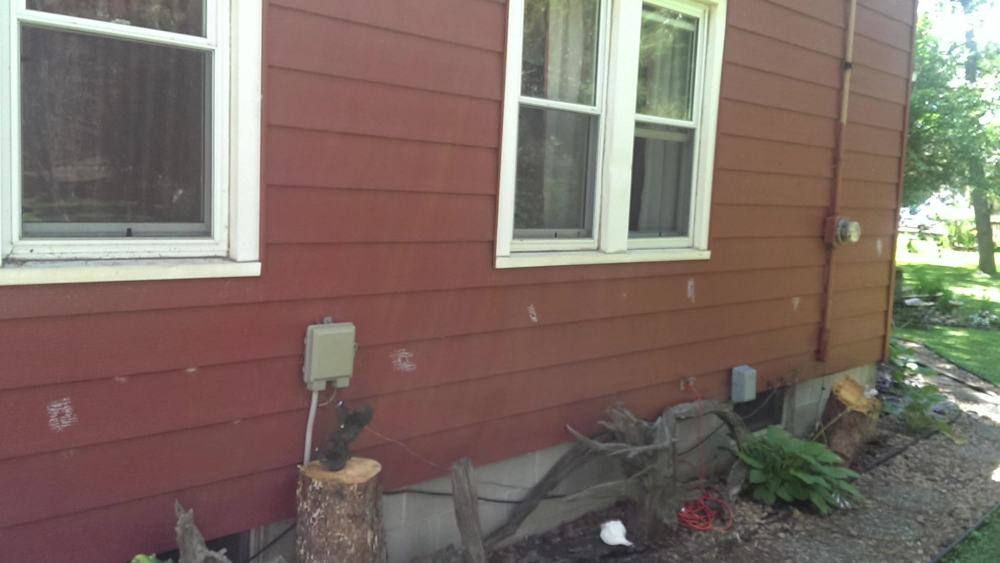
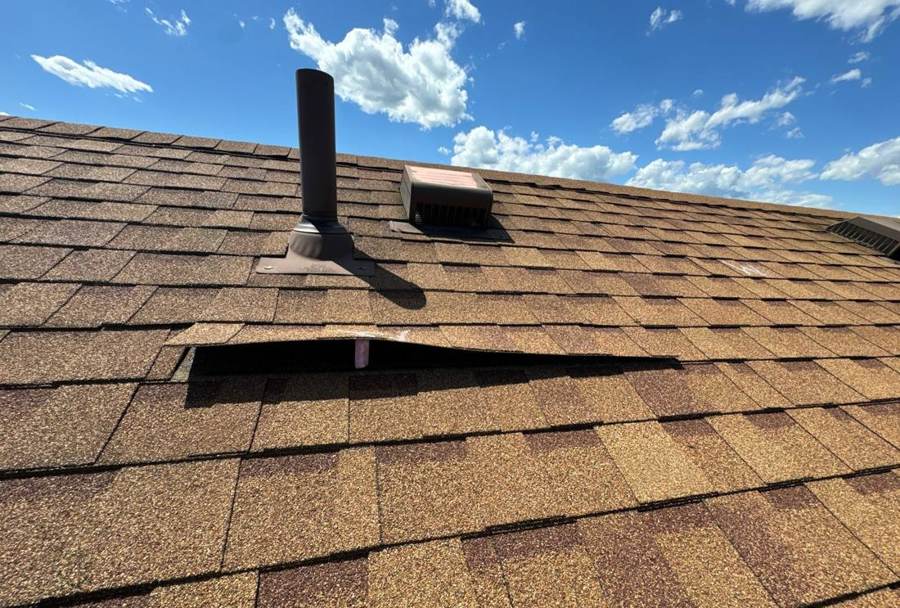
That's what we found on a story-and-a-half home in town. After a July storm, the whole exterior was replaced: the tear-off went through multiple layers of asphalt shingles and then a layer of cedar shakes underneath. Every extra layer adds weight, hides the roof deck and covers up whatever was wrong with the layer below it. Minnesota code draws the line at two coverings. Past that, recovering isn't allowed and everything comes off.
The deck is where a shake tear-off gets serious. The code allows wood shakes over spaced board sheathing (IRC R905.8.1), but asphalt shingles must be fastened to wood structural panels or solid lumber sheathing (R905.2.1). Once the shakes are off, we check the boards for gaps, rot and splits and plan solid sheathing wherever the deck needs it before any underlayment goes down. In a town defined by fire, there's one more reason to get the shakes off: NFPA's Firewise program calls an untreated wood shake roof the greatest threat to a home in a wildfire, and it lists asphalt fiberglass shingles among the common Class A roof coverings.