Why Cottage Grove is differentHow did Thompson Grove shape the roofs in Cottage Grove?
Cottage Grove became a suburb almost overnight: in 1958 Orrin Thompson Homes bought the Belden Farm west of Highway 61, and by spring 1960 it had platted 1,164 lots in eight Thompson Grove additions. The city then added its biggest share of homes in the 1990s, so a Cottage Grove roofer works on 60-year-old ramblers and 30-year-old two-stories on the same day.
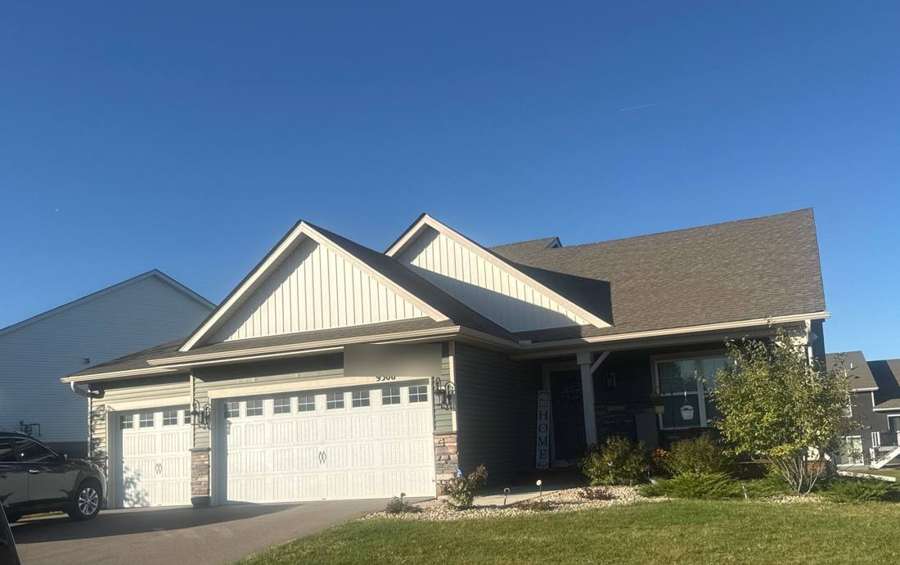
Before Thompson Grove, Cottage Grove was a farm township of 833 people (1950). Ranch-style ramblers pushed that to 4,850 by 1960 and 13,419 by 1970, according to the Washington County Historical Society and the city's comprehensive plan. The city's own historic preservation report lists Thompson Grove as one of four areas worth considering for a future local historic district, alongside Old Cottage Grove, Langdon and Lower Grey Cloud Island. None of the four is a designated district today, so a re-roof there goes through the normal building permit, not a design review.
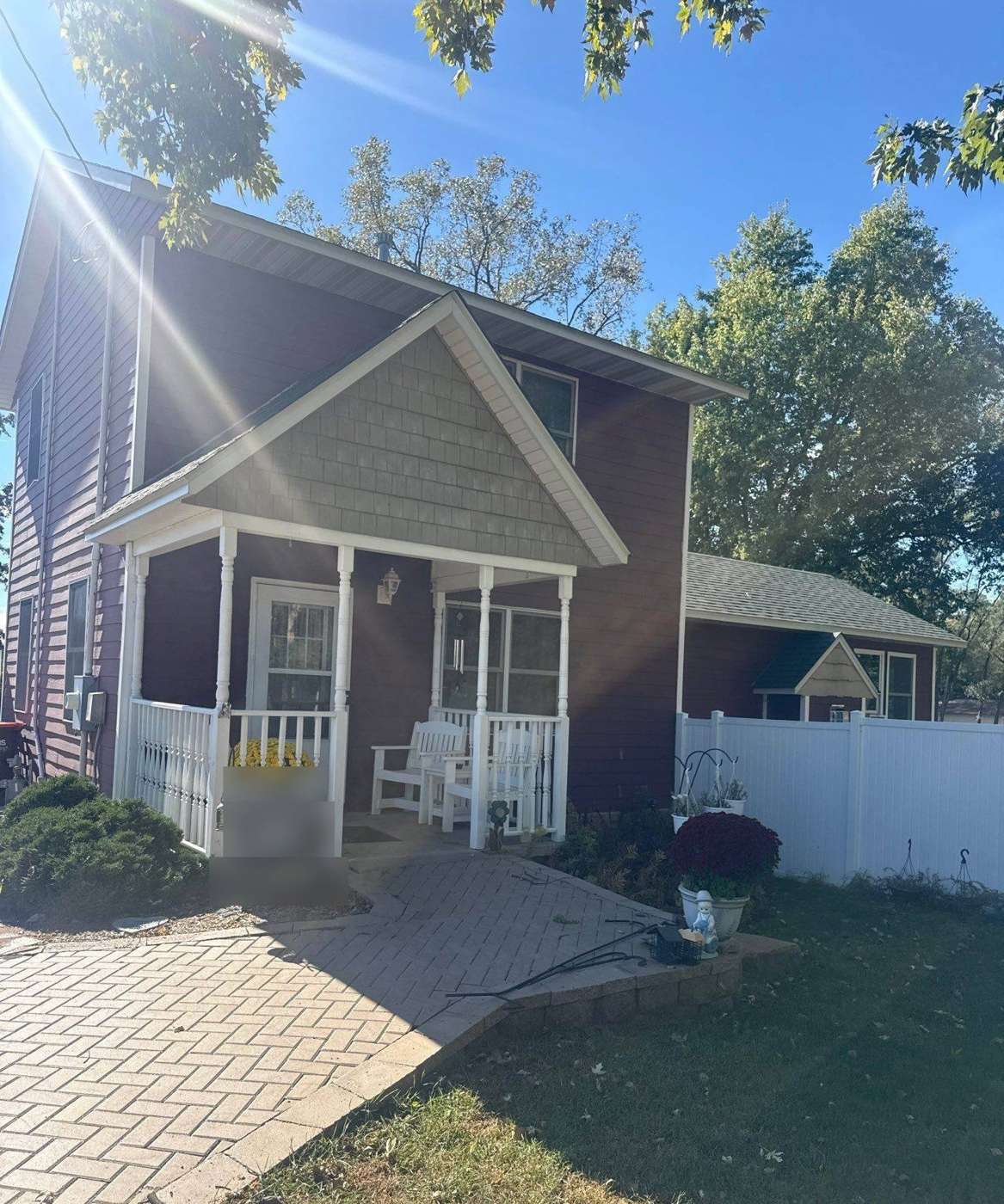
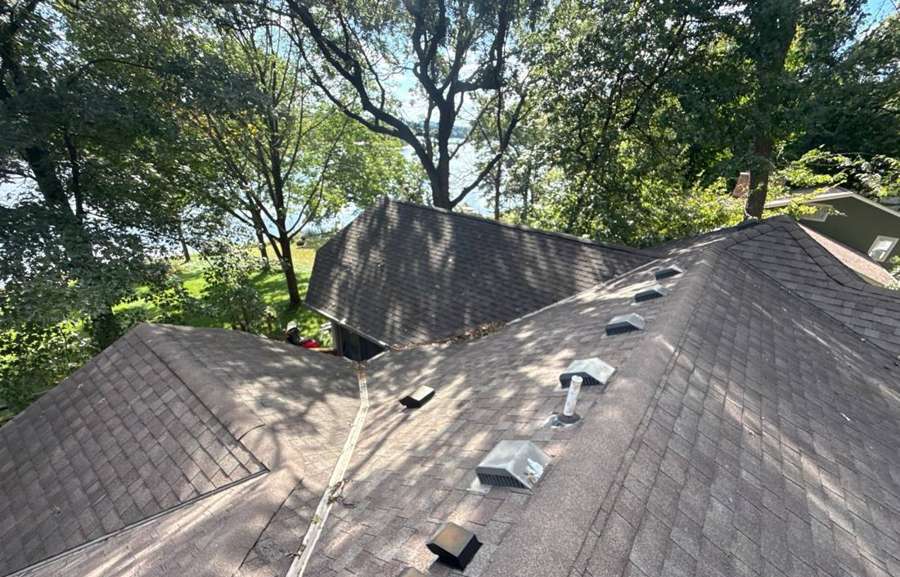
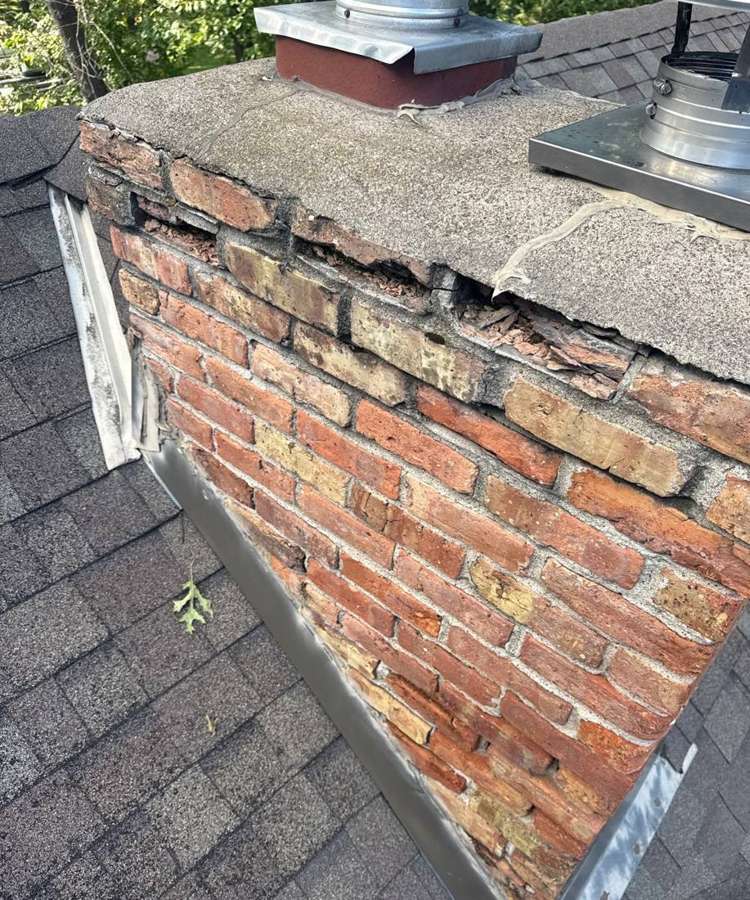
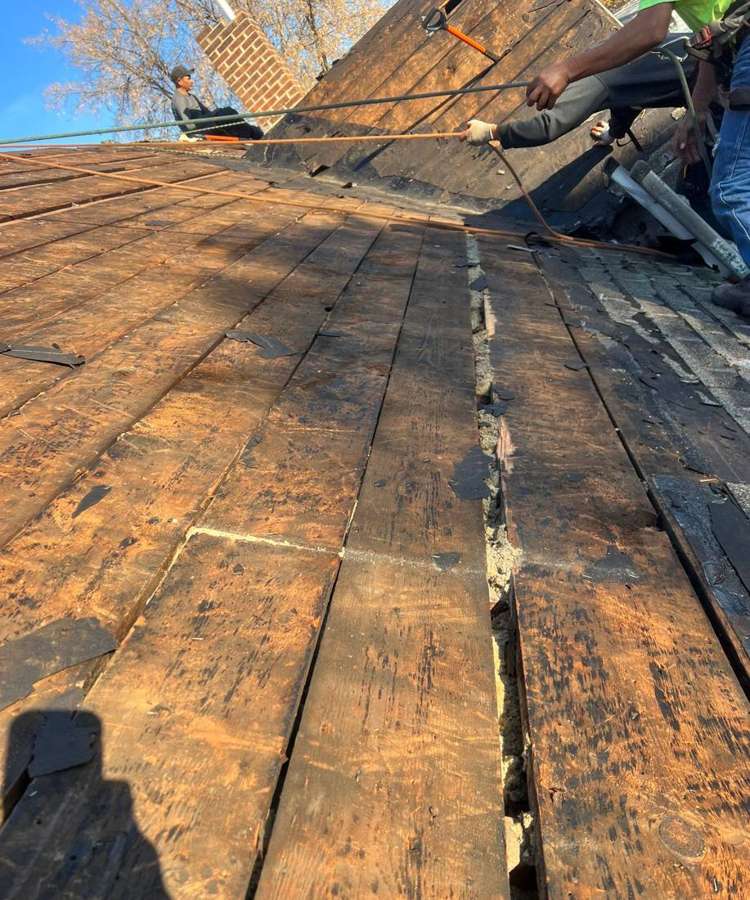
Those first-generation ramblers have simple, low roofs, and after more than 60 years many have already been re-roofed more than once. Before we price a tear-off we count the layers: the Minnesota Residential Code, as summarized in the city's roofing handout, doesn't allow a new layer over a roof that already has two. We also look hard at 60-plus-year-old decking, chimneys and attic ventilation, because those are the things a tear-off exposes.
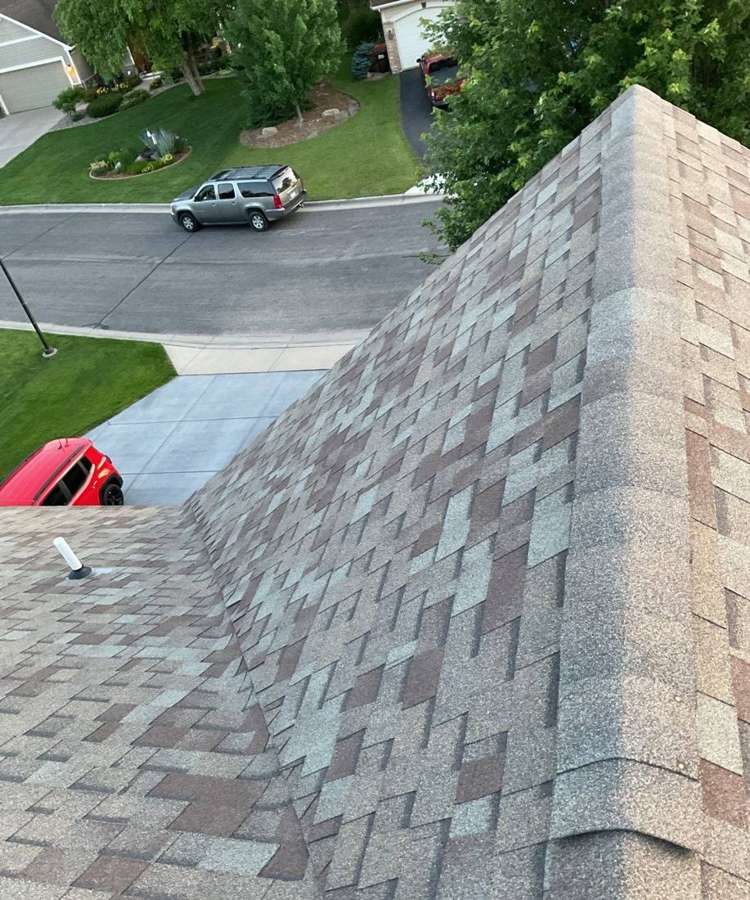
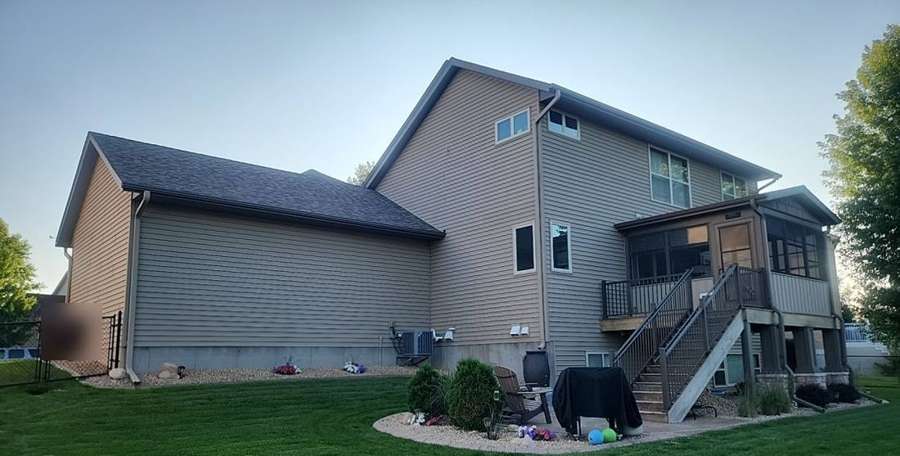
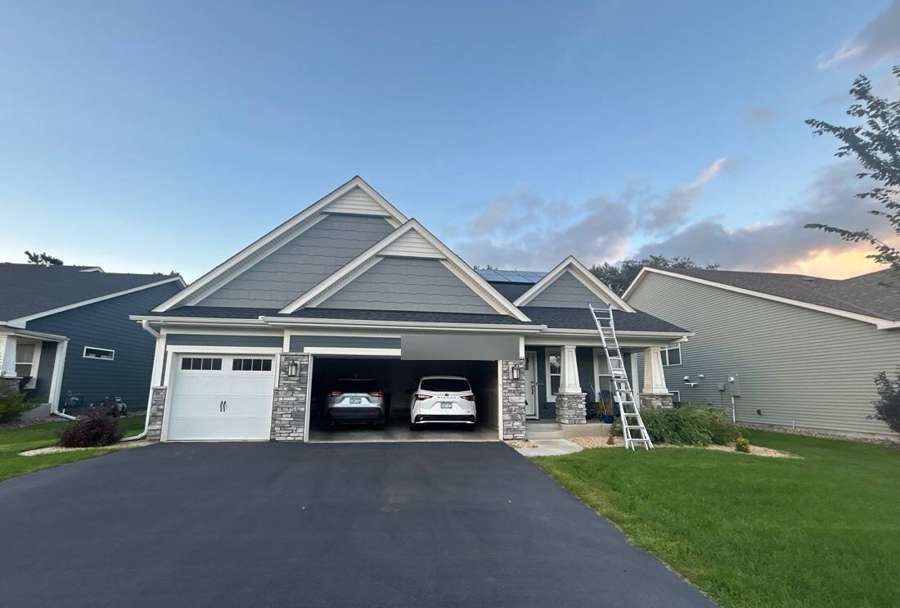
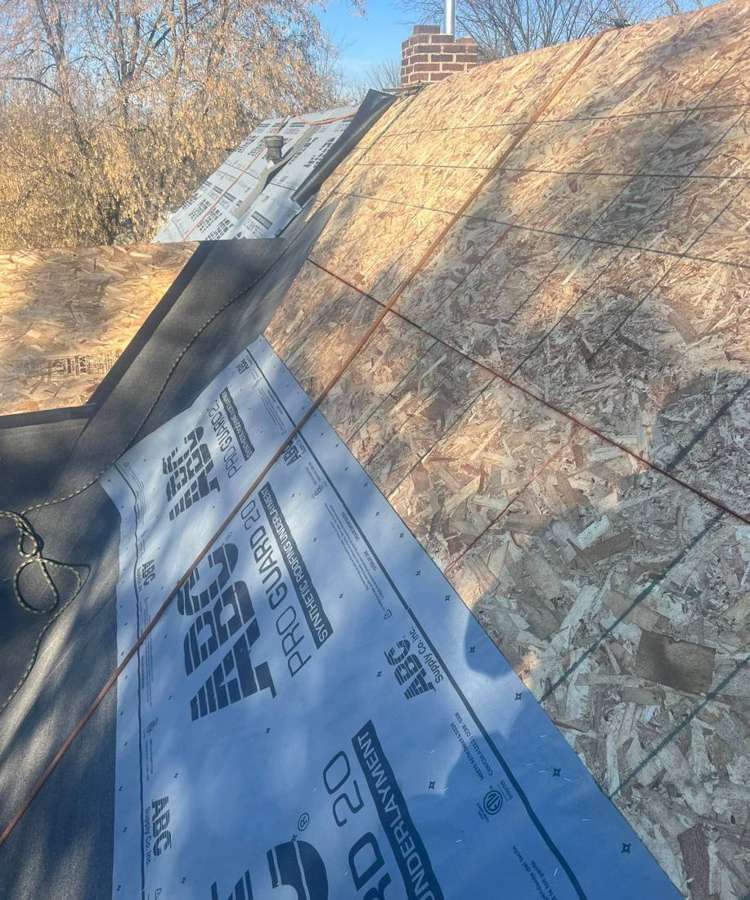
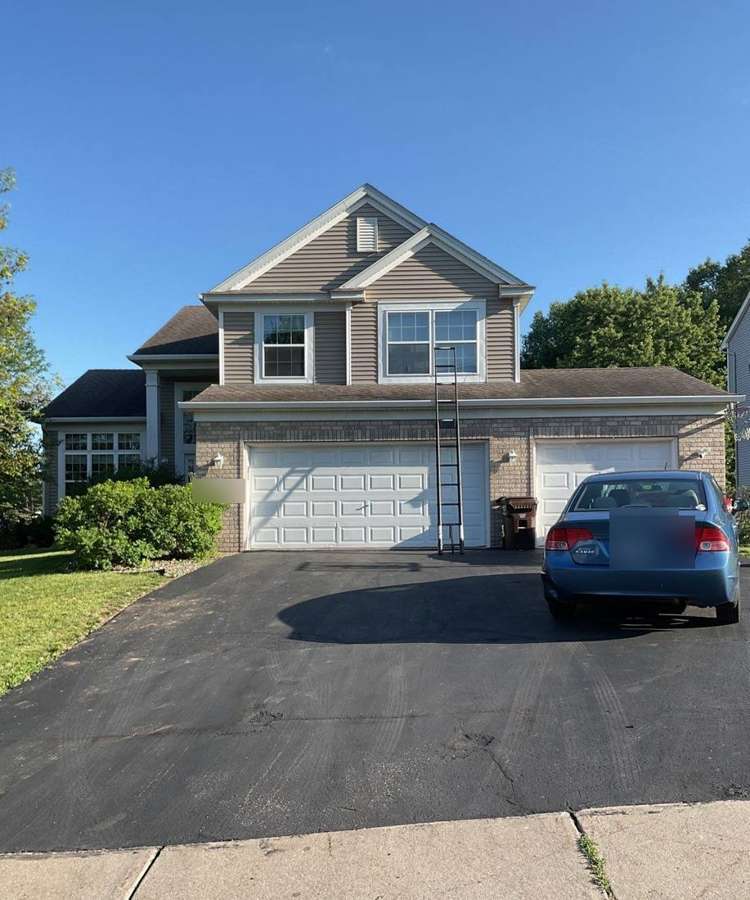
The second wave looks nothing like the first. The largest single decade of home building in Cottage Grove was the 1990s (22.2% of homes, per the city's 2024 housing study), followed by the 2000s. Those homes are larger, with more hips, valleys and roof-to-wall flashing, and many are now on their first or second replacement. The photo here is from one of them: a ridge-top view over a newer Cottage Grove street during a 2023 hail inspection.