Why Coon Rapids is differentWhat should owners of Coon Rapids' ramblers know before re-roofing?
Start with the attic and the chimney, not just the shingles. Builder Orrin Thompson put up about a quarter of all Coon Rapids homes, starting in the 1950s, and most of those one-story ramblers have low-pitched roofs, shallow attics and brick chimneys that are now 60 years old or more. A re-roof is the right time to fix ice barrier, ventilation and chimney flashing, because they're exposed only once.
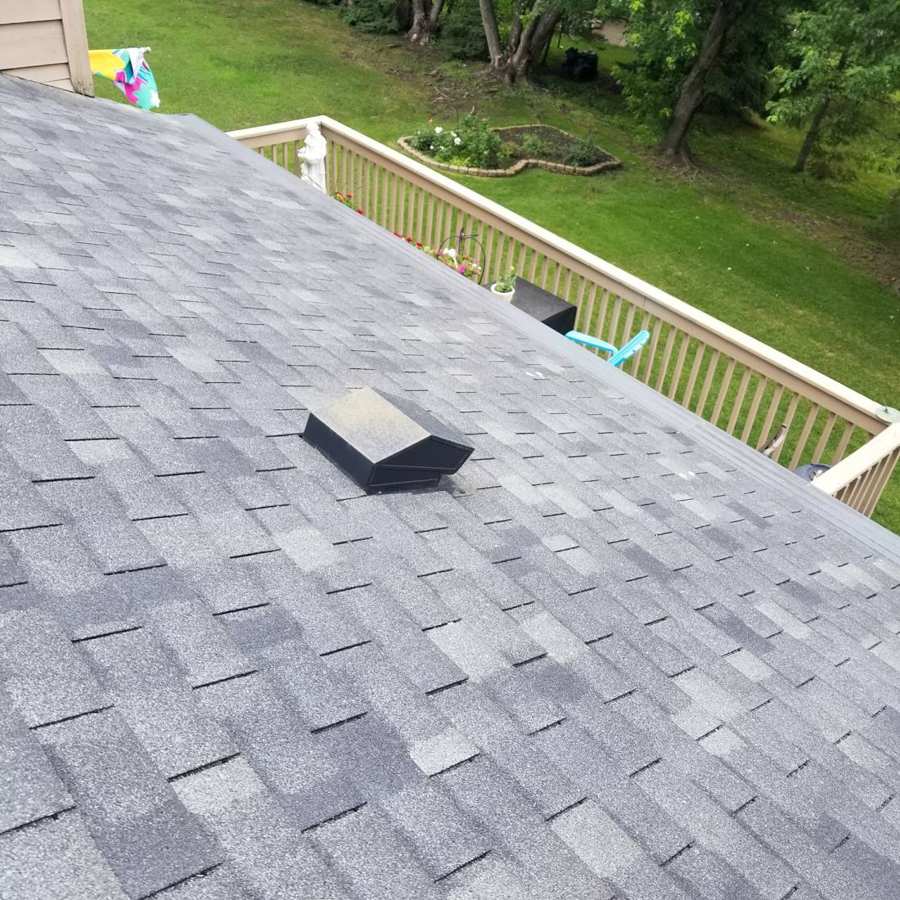
Census data counts about 6,300 Coon Rapids homes built in the 1950s and 1960s, the rambler years. A low-pitched roof sheds snow slowly, and a shallow attic with little insulation lets heat melt that snow from below, which is how ice dams form along the eaves. Minnesota code requires ice barrier from the eave to at least 24 inches inside the wall line, and Coon Rapids' roofing handout lets an existing adhered ice barrier stay in place only if a new layer goes over it.
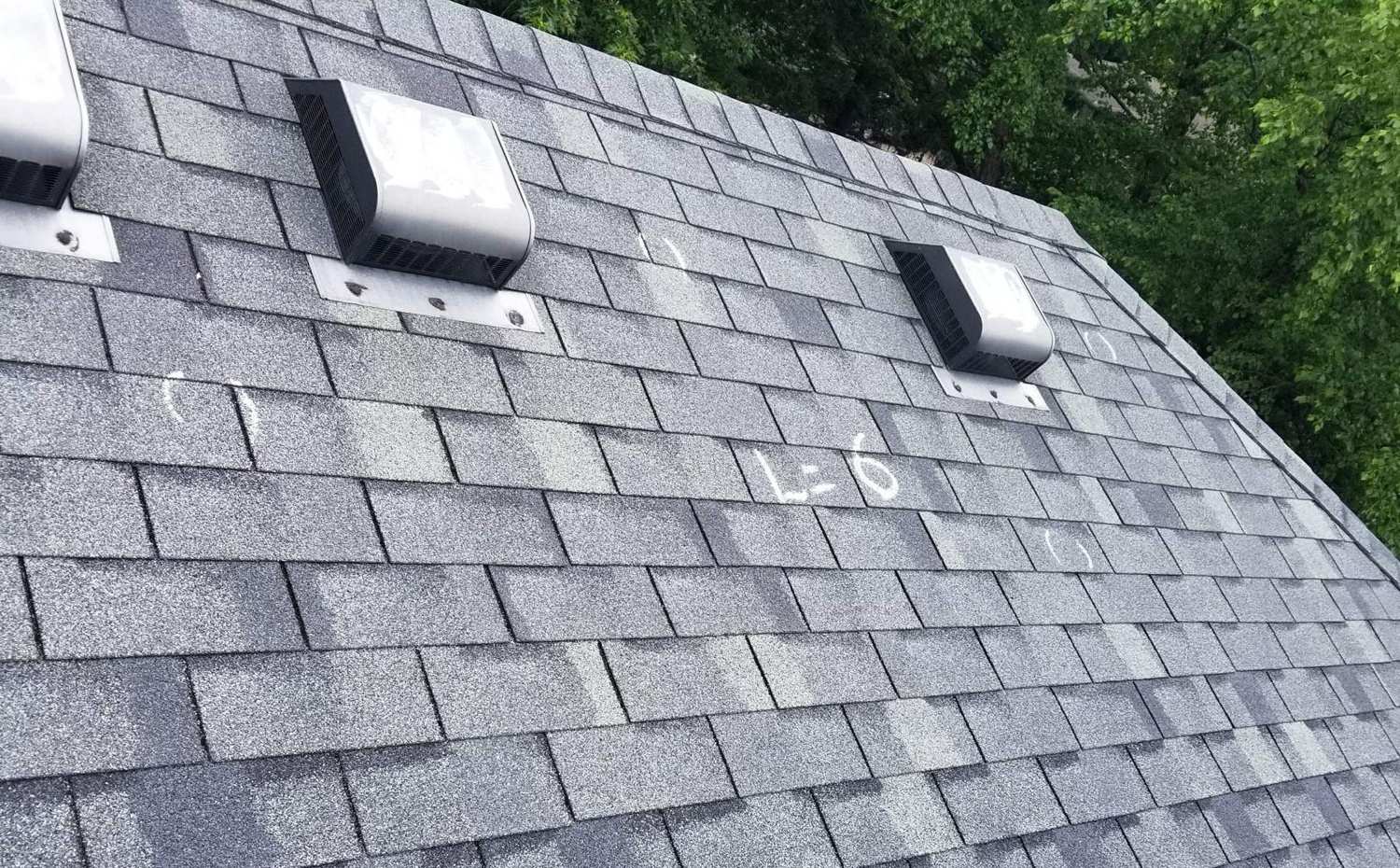
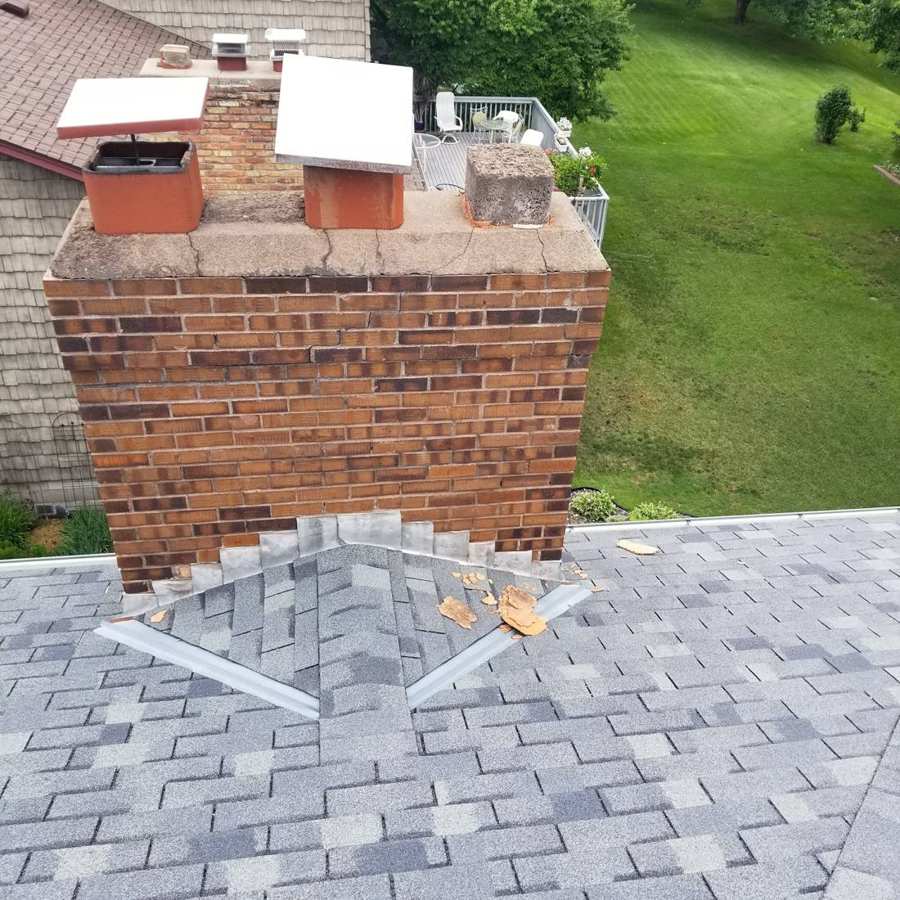
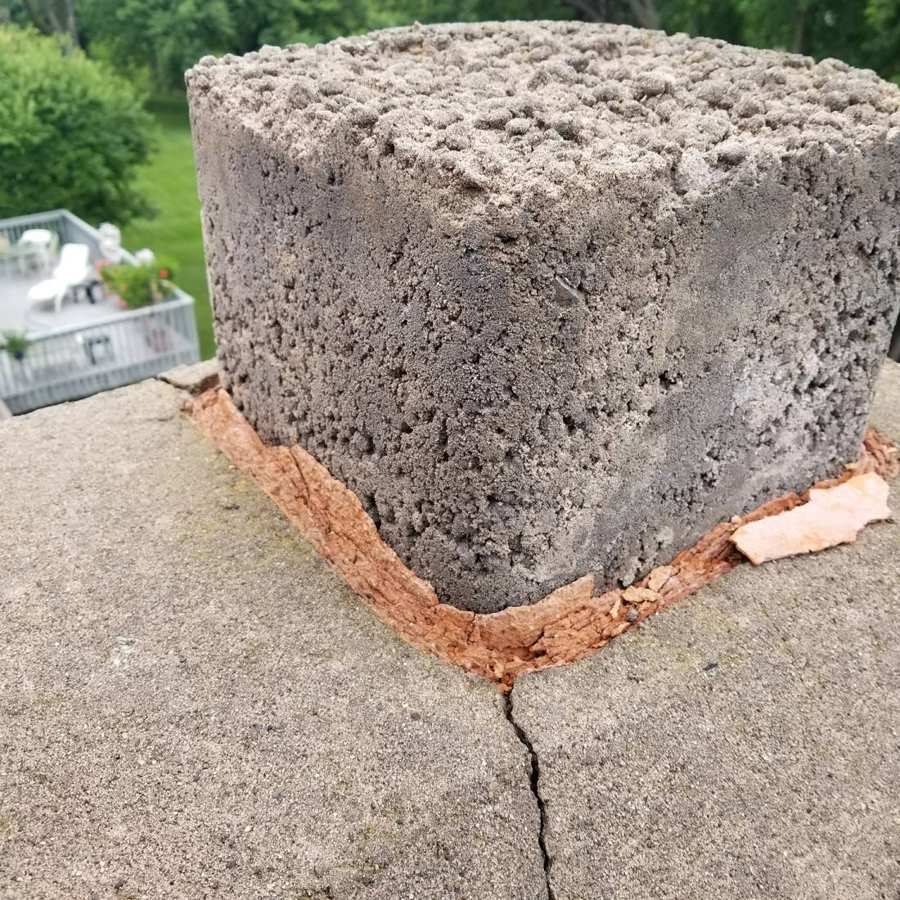
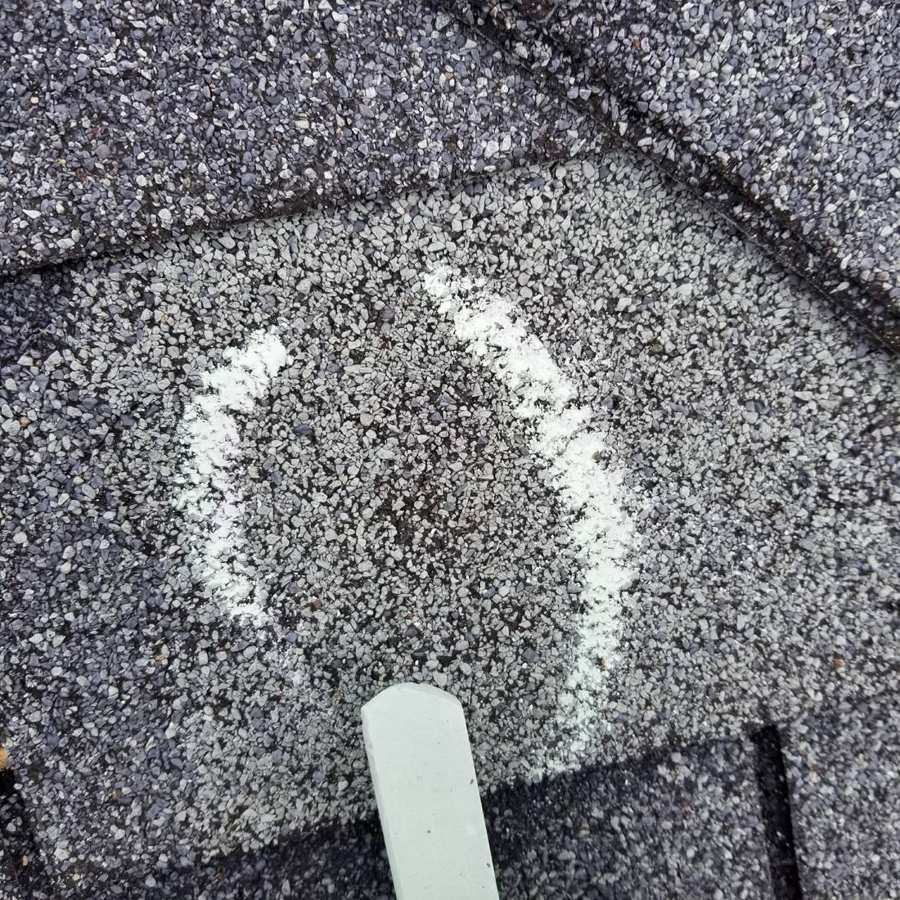
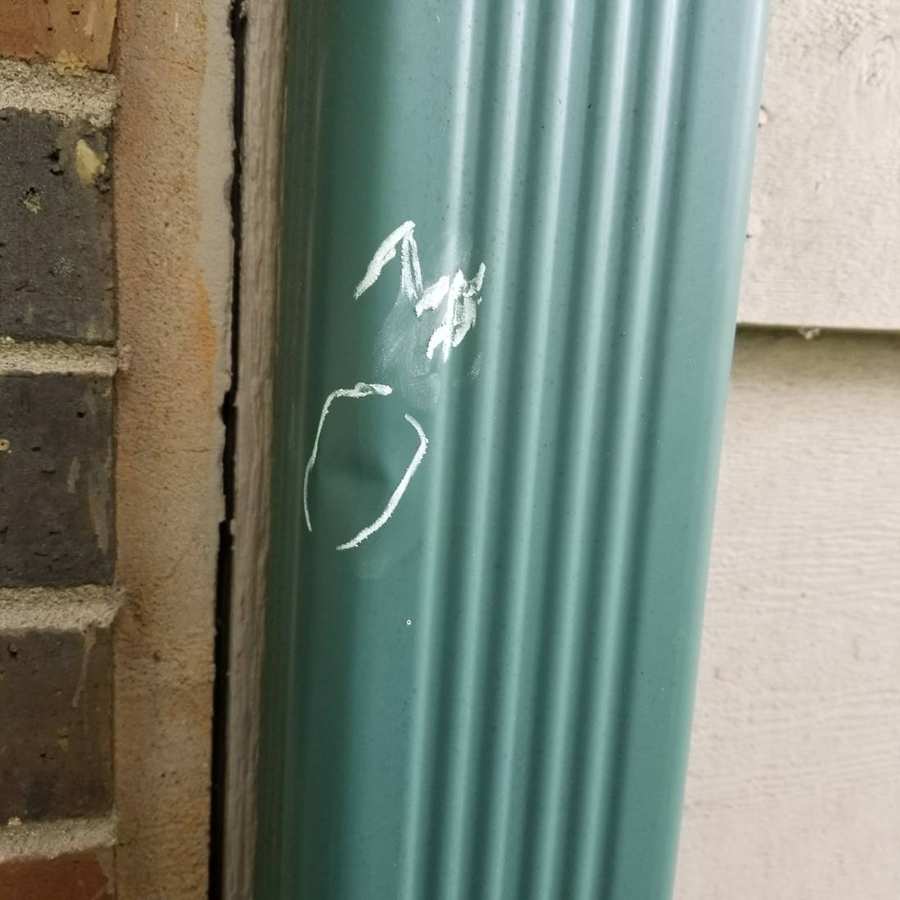
Chimneys are the other weak spot. On one Coon Rapids inspection in June 2017 we chalk-marked hail hits and wind damage on the shingles, then found the chimney crown crumbling and cracked around the flue tiles and loose flashing at the base. Water that gets past a failed crown runs down inside the brick, so we photograph the crown, cap and flashing on every older home and include them in the report.
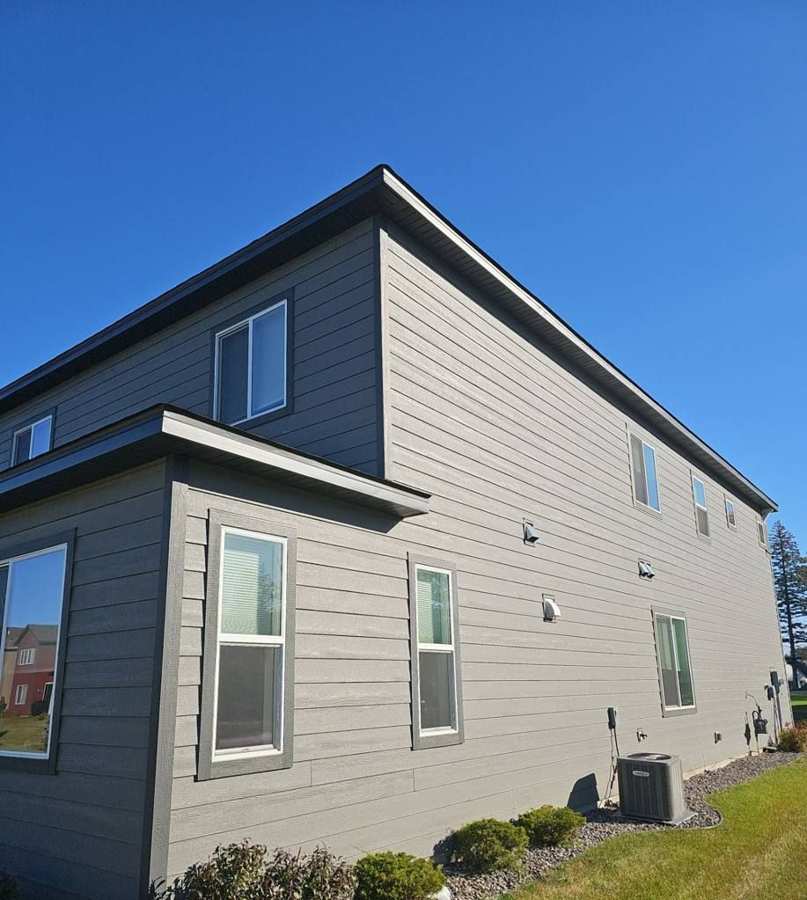
Many ramblers have been added onto over the years, with a garage bump-out, a second-story addition or a sunroom tied into the old roof. Those tie-ins are where leaks start. We photograph every valley and roof-to-wall joint before we give you a scope.