Why Cokato is differentWhat does it take to roof the buildings Cokato drives past every day?
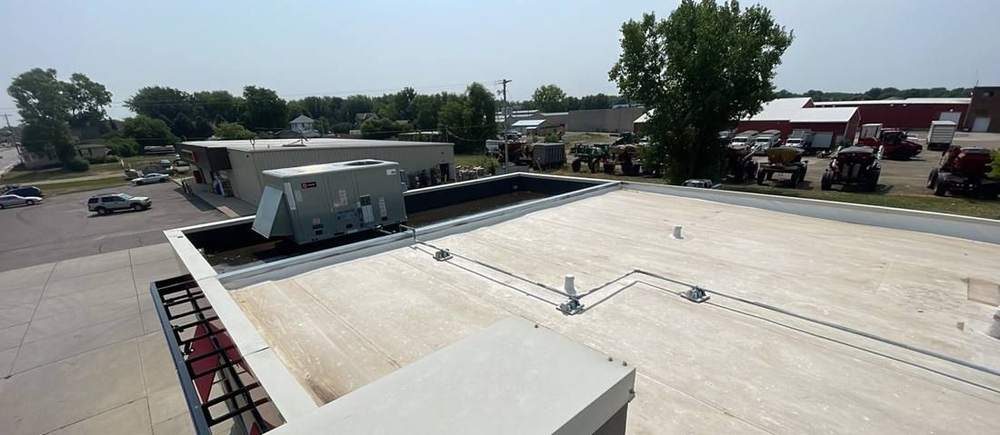
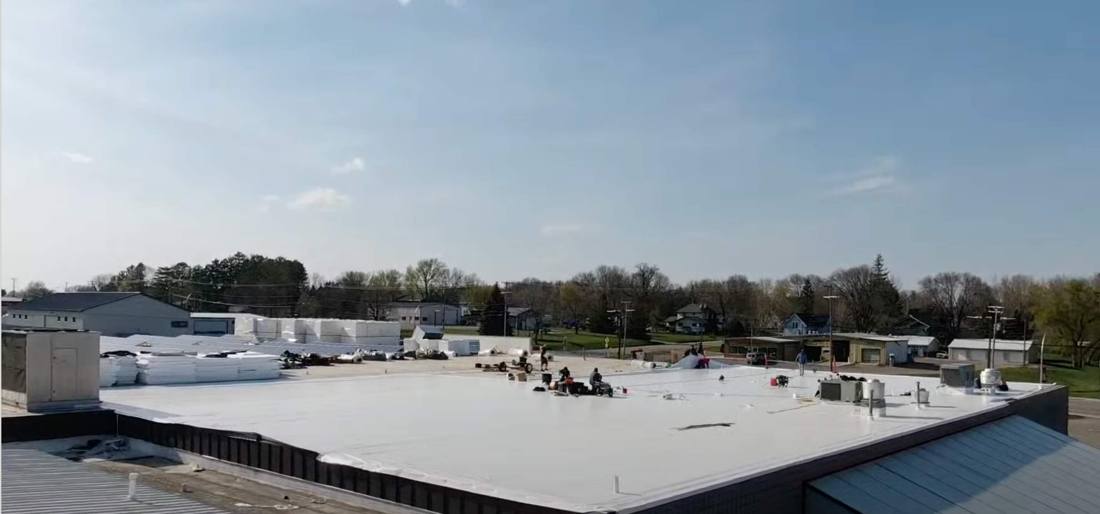
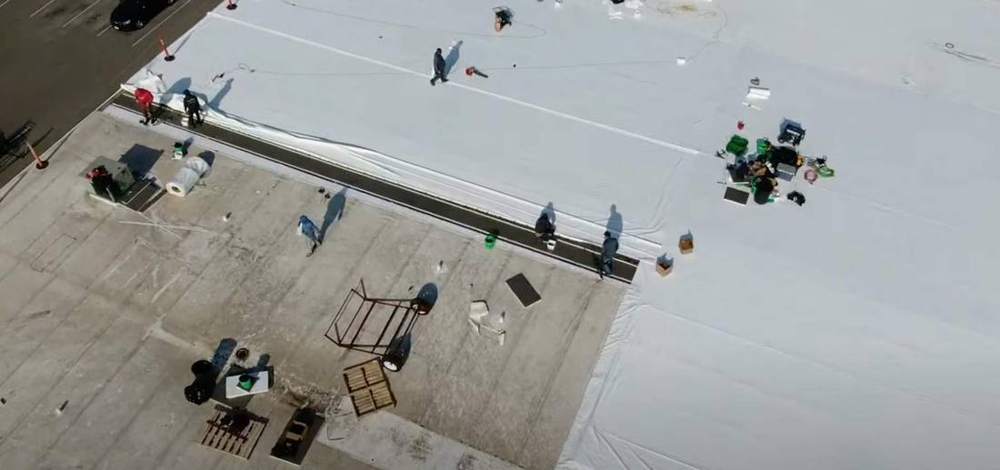
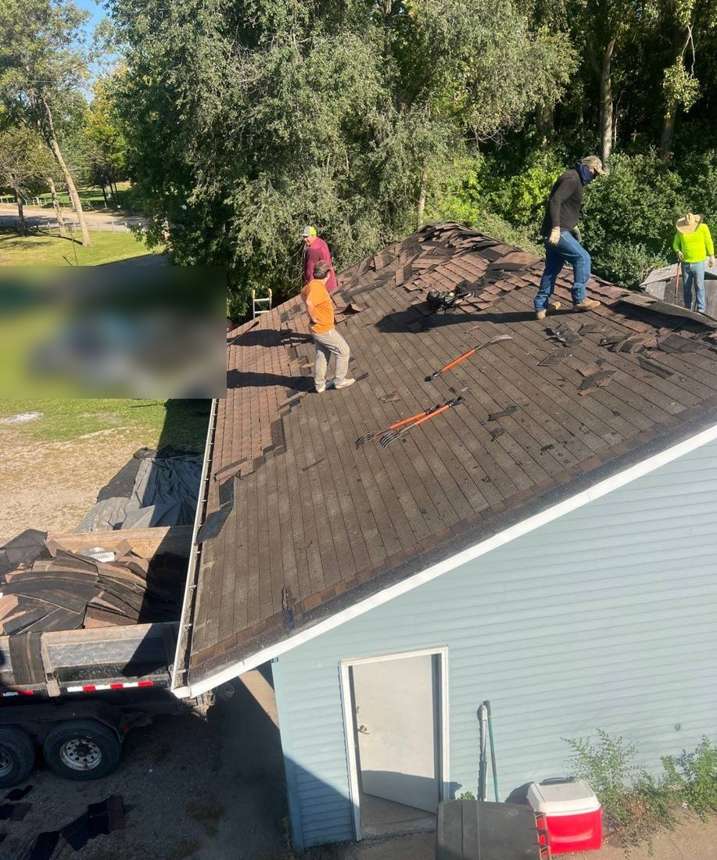
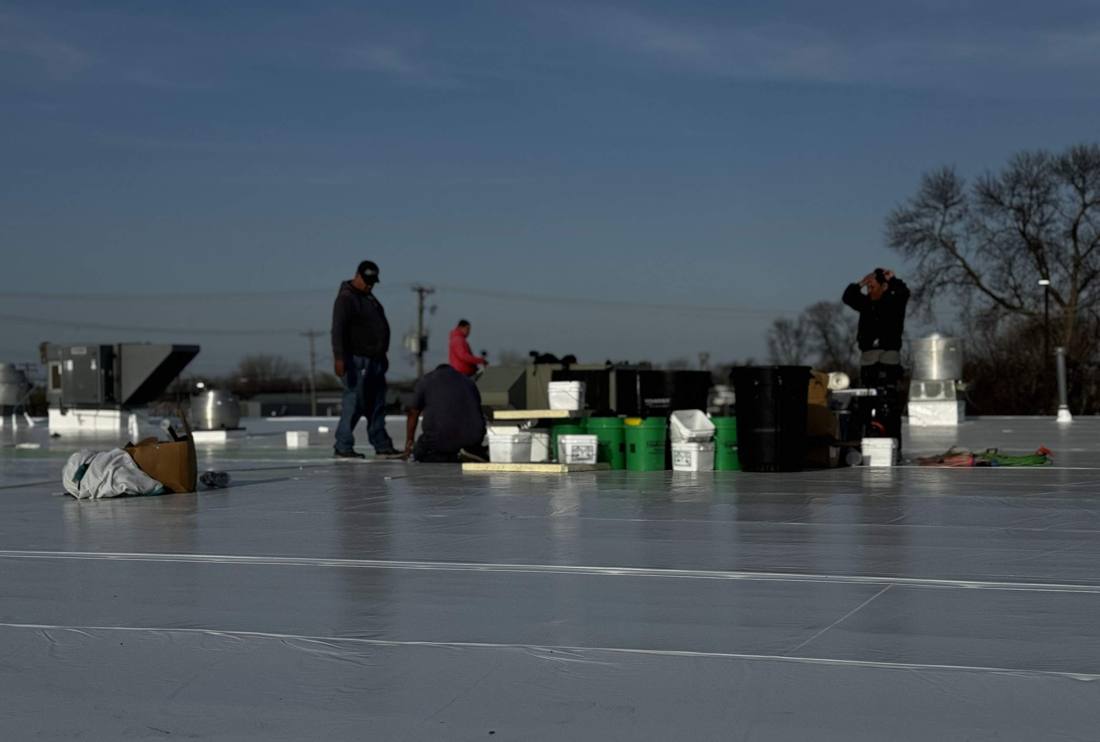
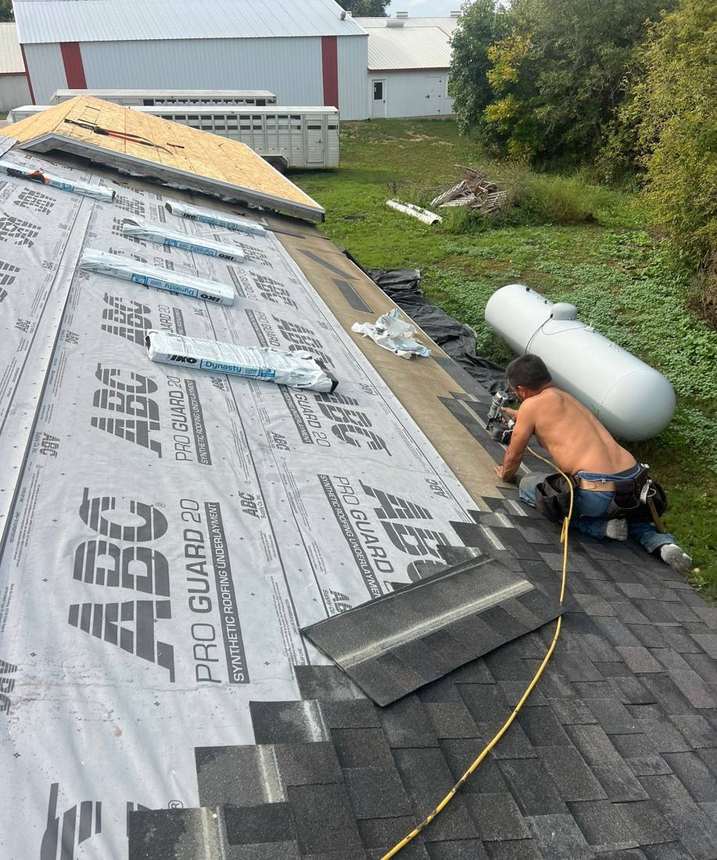
Cokato's best-known roofs are big, low-slope commercial roofs on the Highway 12 strip, not shingled houses. A grocery store or restaurant roof has rooftop units, metal coping and wall flashing that hail and water attack first, and the work has to happen while the business stays open. That calls for an inside-and-out inspection, a written plan, and photos of every step.
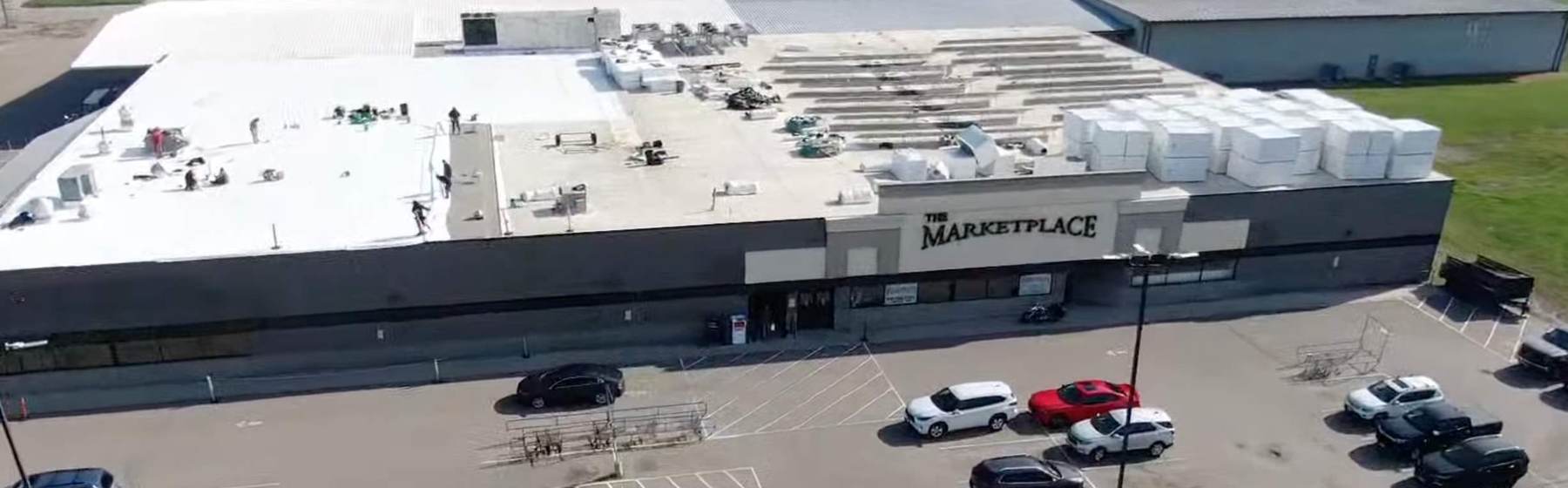
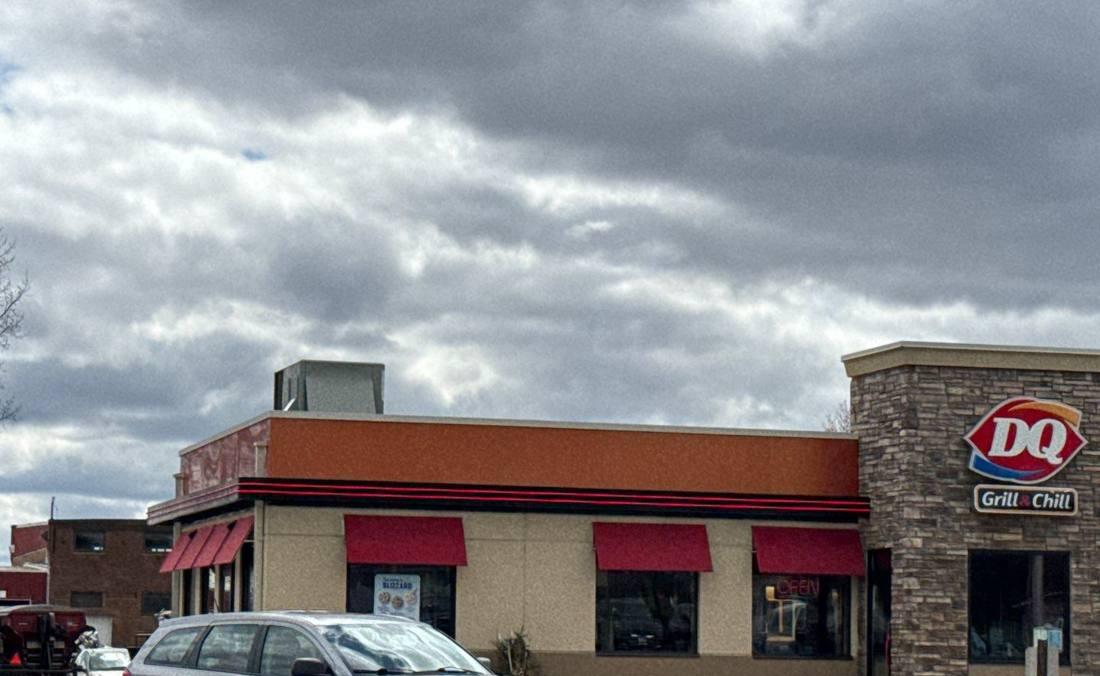
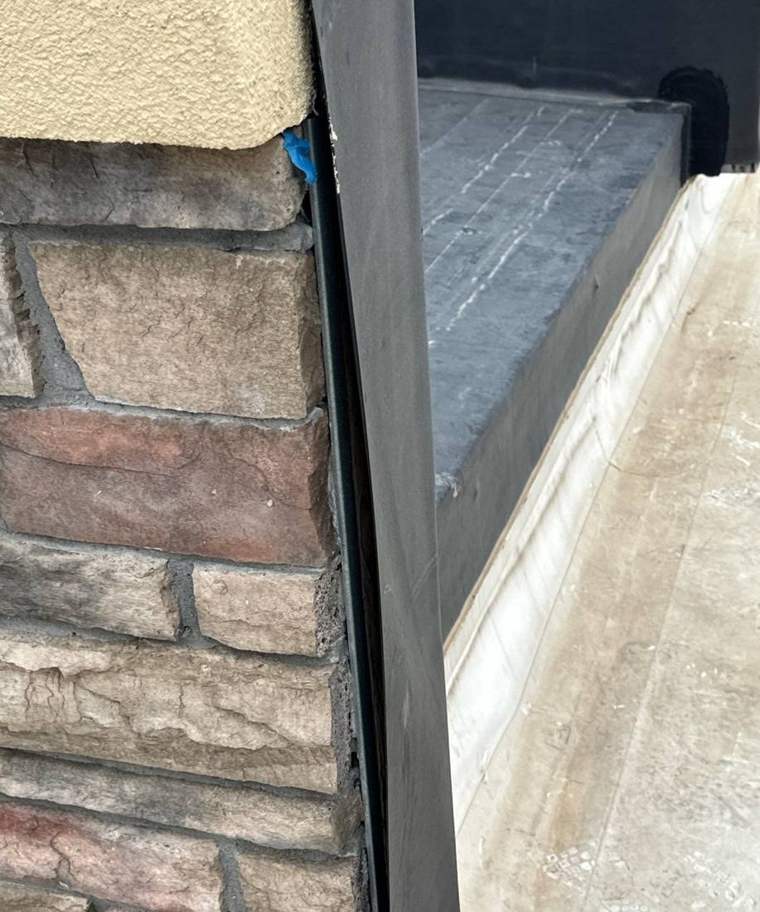
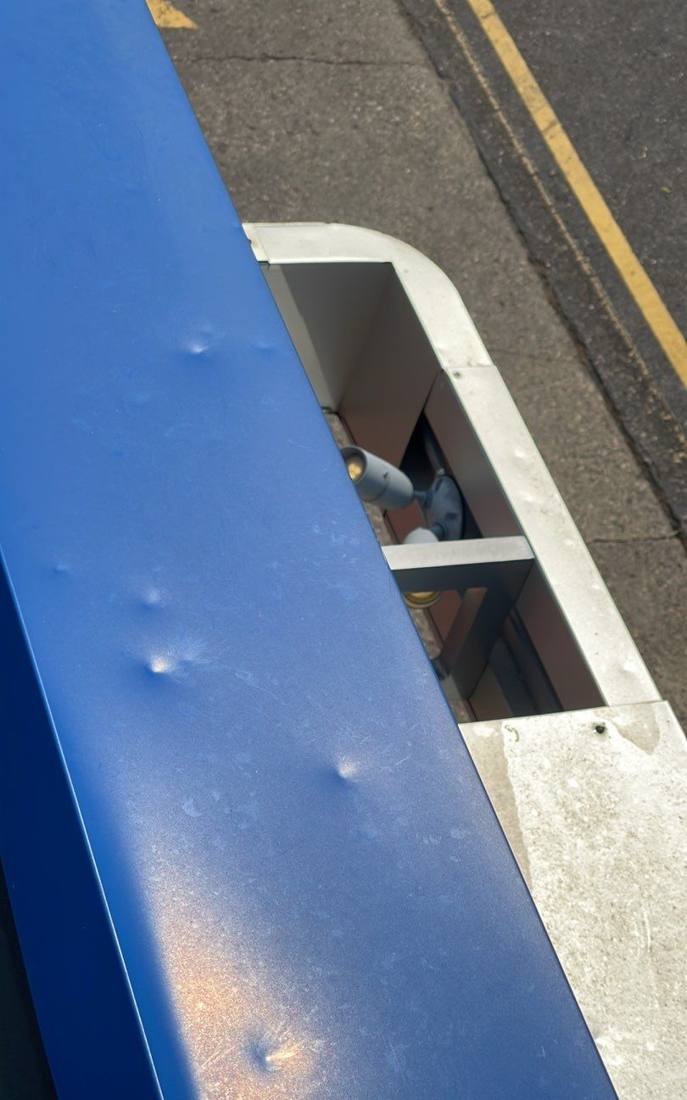
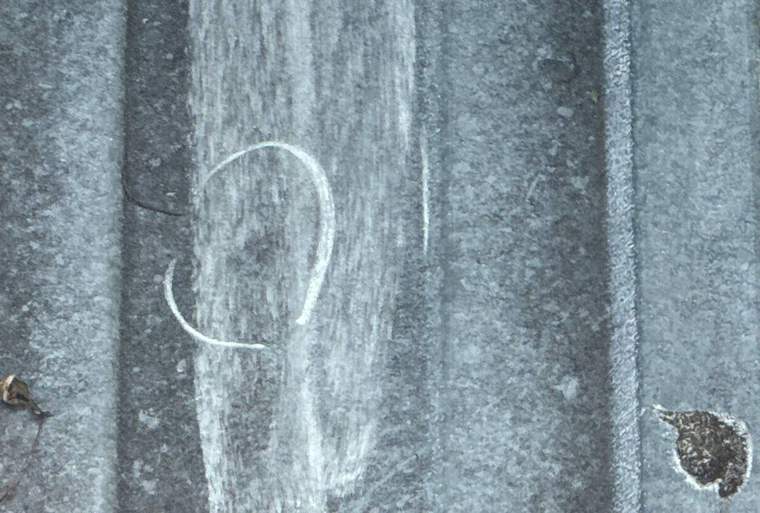
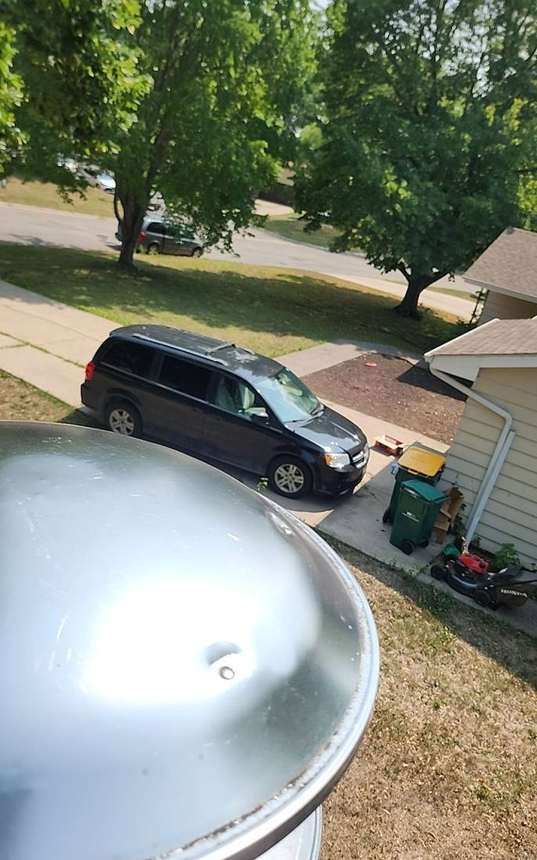
Highway 12 runs right through town as Cokato Street, and it's where most people see Repair King's work. The Marketplace at 310 Cokato St W is part of a second-generation, family-owned grocery business whose history goes back to Marv's Red Owl in Annandale in 1967. We started there with an after-hours inspection in October 2023 and were back on the roof in 2024 while the aisles stayed stocked. Down the road, the Dairy Queen Grill & Chill has a parapet roof where blue metal coping meets stone veneer and stucco, and that's exactly where our July 2023 photos found hail dents.
Cokato has always been a working town. The Cokato Canning Company opened in 1904 as the second canning factory in Minnesota, and for decades the town had two canning plants. Green Giant closed its Cokato plant in 1978, and the former Northland Canning building, closed in 2019, now operates under Western Integrated Seeds. Big industrial and retail roofs like these share the same weak spots: seams, penetrations, curbs and the edge metal.
Downtown on Broadway Avenue, older storefronts sit next to places with history of their own, like the Gust Akerlund photography studio at 390 Broadway Ave, which has been on the National Register of Historic Places since 1977 and was upgraded to nationally significant status in 2020. When we work on an older masonry building, we photograph the parapets, flashing and roof edges before we propose anything.